Osmorhiza claytonii
(Michx.) C. B. Clarke
Woolly sweet-cicely, Clayton's Sweetroot, Hairy Sweet-cicely, Anise sweet-cicely
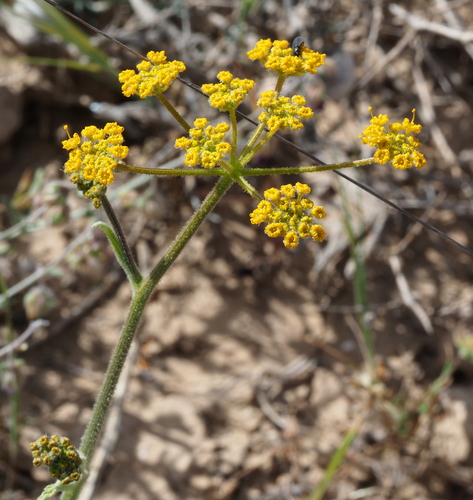
iNaturalist· cc-by-nc
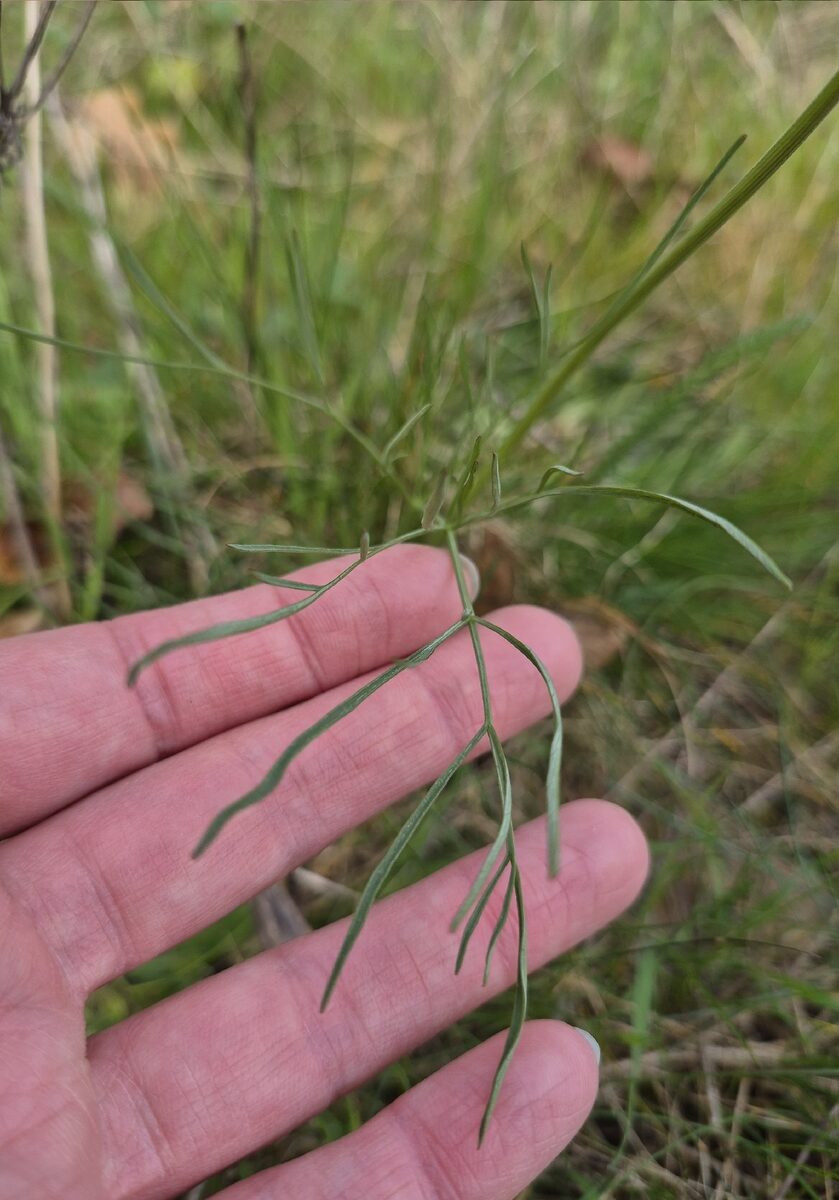
(c) Scott King, some rights reserved (CC BY-NC)
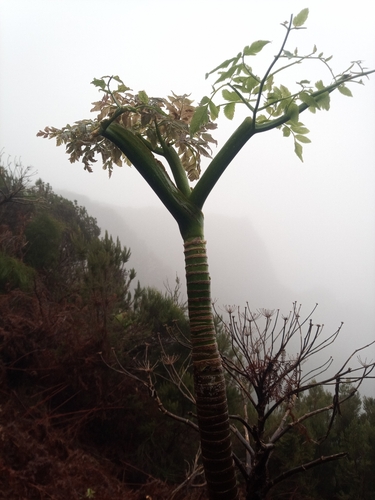
iNaturalist· cc0
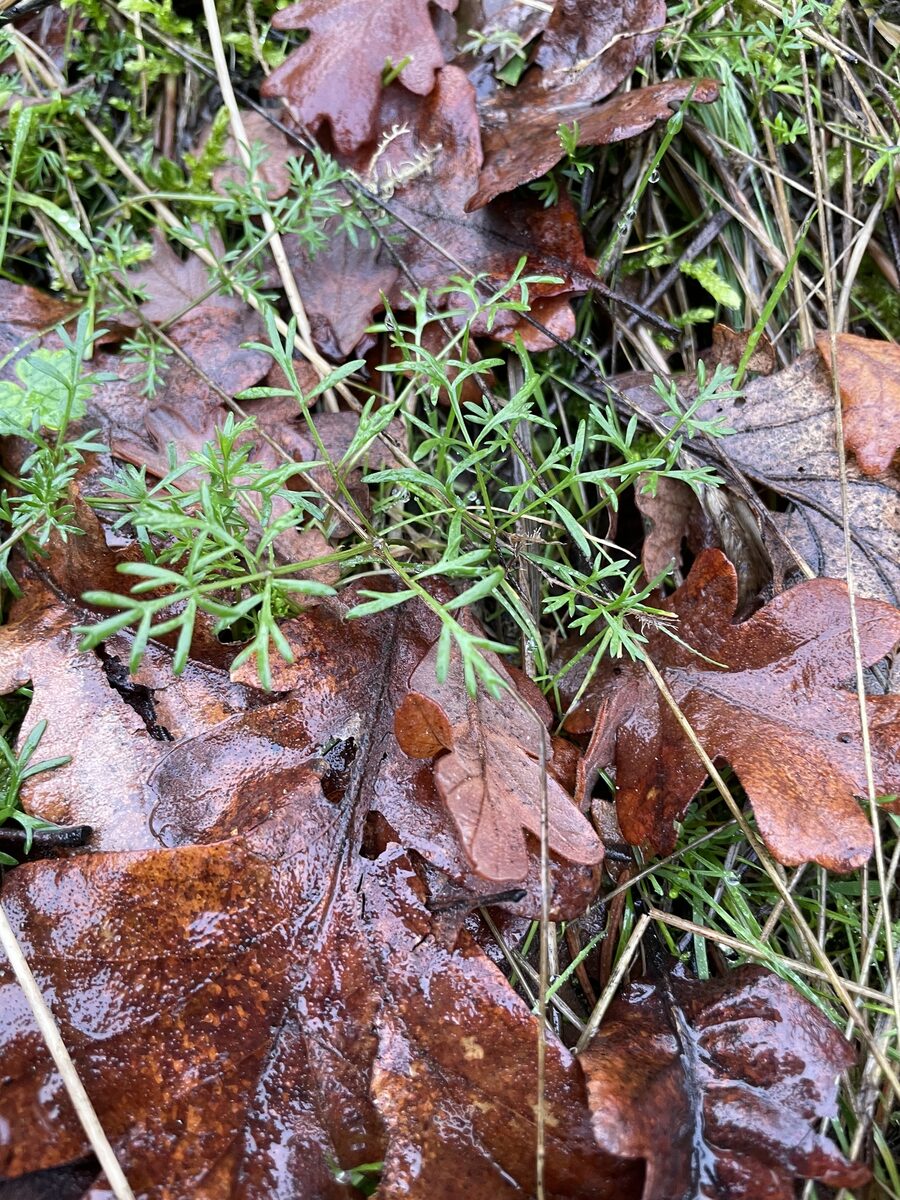
no rights reserved, uploaded by peakaytea
iNaturalist· cc-by-sa
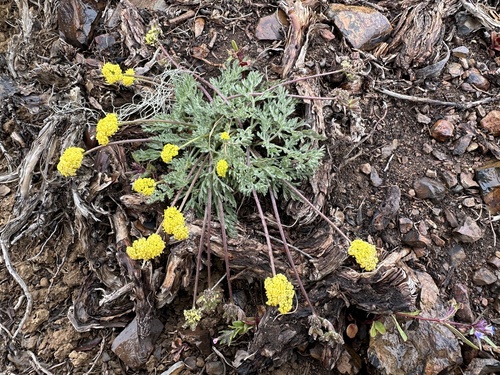
(c) Douglas Goldman, some rights reserved (CC BY-SA), uploaded by Douglas Goldman
Summary
Source: WikipediaOsmorhiza claytonii is a North American perennial herb, native to Canada and the eastern United States. It is also known as Clayton's sweetroot, sweet cicely, or woolly sweet cicely a name it shares with other members of its genus Osmorhiza.
Description
A herb. It keeps growing from year to year. The leaves are twice divided with leaflets along the stalk. The flowers are white to greenish.
This description is brief — help expand it
Edible Uses
The root is cooked and eaten as a vegetable, and is said to be useful for putting on weight. Leaf stalks are also cooked as a vegetable. Both the aromatic roots and the unripe seeds serve as anise-like flavorings, and are pleasant to chew.
Traditional Uses
The roots are used for flavouring. The roots and stems are eaten as a vegetable. The unripe seeds are used as a flavouring.
This uses section is brief — help expand it
Medicinal Uses
The root has been chewed or gargled to treat sore throats. A poultice made from moistened, pulverized roots has been applied to boils, cuts, and sores, while a tea brewed from the roots has been used to bathe sore eyes.
Distribution
It is a temperate plant. In Canada it grows in cool, moist woodland. It suits hardiness zone 4.
Where It Grows
Asia, Canada, India, North America, USA,
Propagation
Sow seed in a cold frame as soon as it is ripe where possible, otherwise sow in early spring. Once large enough to handle, prick seedlings out into individual pots and grow on in a greenhouse through their first winter. Plant out into permanent positions in late spring or early summer, after the last expected frosts.
Other Uses
The plant is noted for its scent. Used in food forest plantings and as a scented plant.
References (7)
- Ambasta, S.P. (Ed.), 2000, The Useful Plants of India. CSIR India. p 416
- Beckstrom-Sternberg, Stephen M., and James A. Duke. "The Foodplant Database." http://probe.nalusda.gov:8300/cgi-bin/browse/foodplantdb.(ACEDB version 4.0 - data version July 1994)
- Facciola, S., 1998, Cornucopia 2: a Source Book of Edible Plants. Kampong Publications, p 21
- J. D. Hooker, Fl. Brit. India 2:690. 1879 "claytoni"
- Jackes, D. A., Edible Forest Gardens
Show all 7 references Hide references
- MacKinnon, A., et al, 2009, Edible & Medicinal Plants of Canada. Lone Pine. p 291
- Plants for a Future database, The Field, Penpol, Lostwithiel, Cornwall, PL22 0NG, UK. http://www.scs.leeds.ac.uk/pfaf/