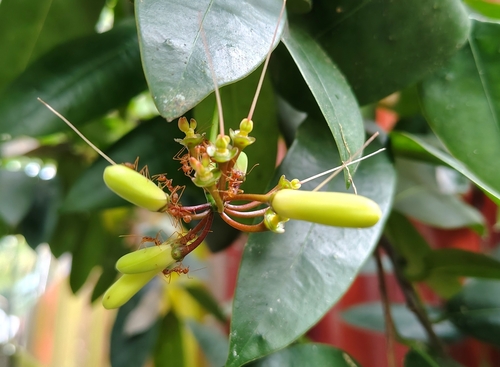
Ailanthus integrifolia
Lam.
White siris
iNaturalist· cc-by-nc-sa
(c) filibot.web, some rights reserved (CC BY-NC-SA)
iNaturalist· cc-by
(c) T R Shankar Raman, some rights reserved (CC BY)
iNaturalist· cc0
no rights reserved
Summary
Source: WikipediaAilanthus integrifolia, white siris, is a tree in the family Simaroubaceae. The specific epithet integrifolia is from the Latin meaning "entire leaves", referring to the leaflet margins.
Description
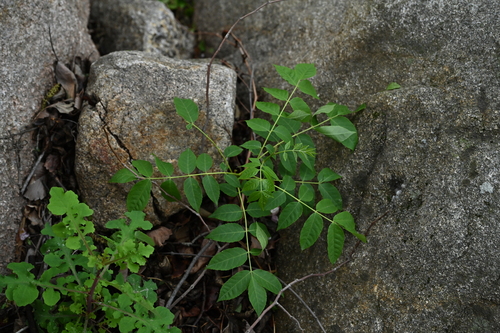
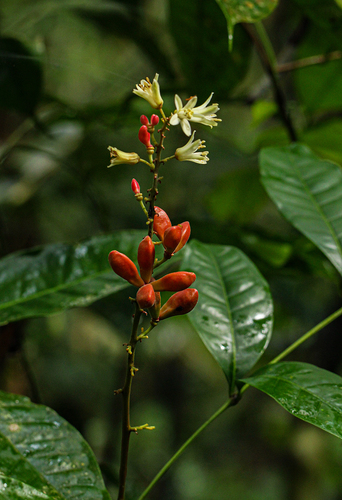
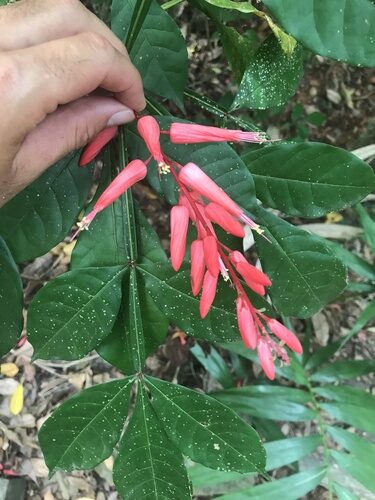
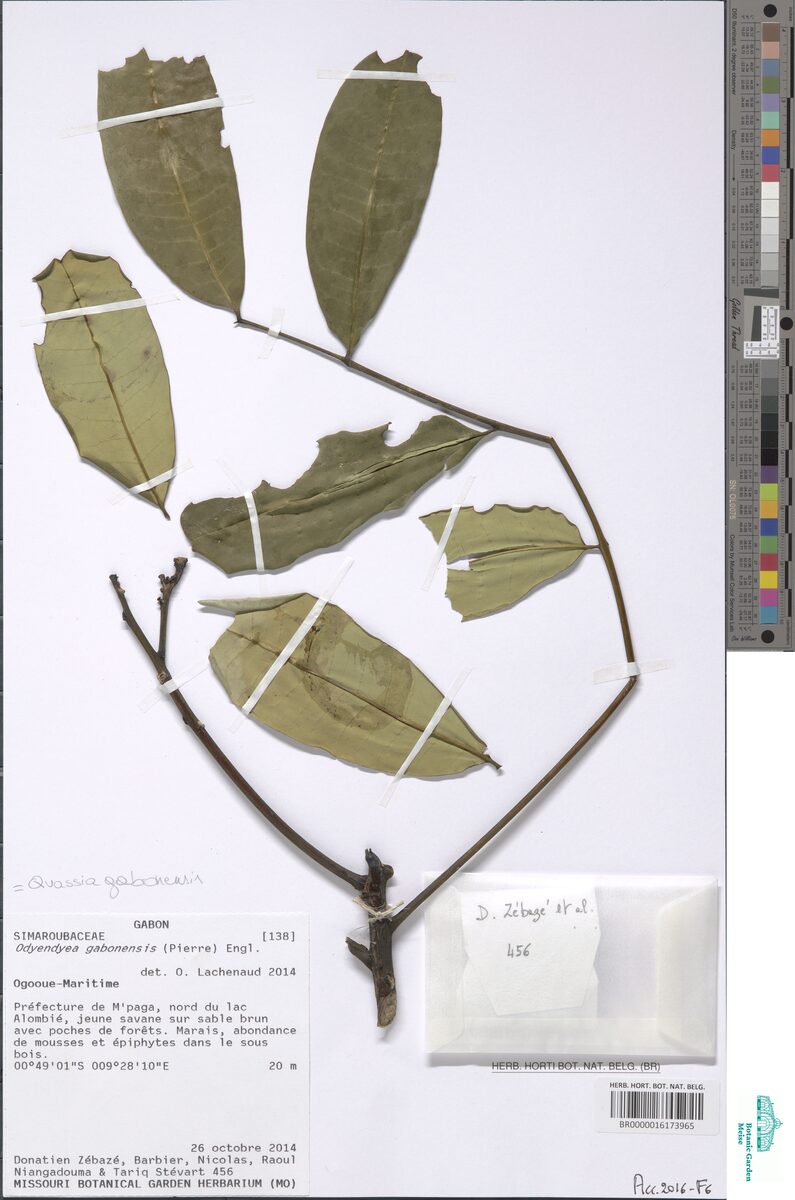
A tree. It can grow to 55 m tall. The trunk can be 65 cm across. The bark is smooth and light brown. The leaves are compound with 2-9 leaflets. The leaflets are 10-40 cm long. They can be hairy underneath. The fruit are narrowly oval and 22 cm long.
Edible Uses
Young leaves are boiled and eaten.
Traditional Uses
The young leaves are boiled and eaten.
This uses section is brief — help expand it
Medicinal Uses
The leaves have been shown to have some medicinal benefit.
Distribution
It is a tropical plant. It grows from sea level to 900 m above sea level. In Sikkim it occurs between 450-700 m above sea level.
Where It Grows
Asia, India, Indonesia, Malaysia, Papua New Guinea, PNG, Philippines, SE Asia, Sikkim, Solomon Islands, Vietnam,
Cultivation
A plant mainly of the wet, lowland tropics and subtropics, where it can be found at elevations up to 1,200 metres. It grows best in areas where annual daytime temperatures are within the range 30 - 38°c, but can tolerate 4 - 42°c. It can be killed by temperatures of 2°c or lower. It prefers a mean annual rainfall in the range 3,000 - 4,000mm, but tolerates 2,500 - 4,500mm. Requires a sunny position. Prefers a moist but well-drained, medium to light soil. Prefers a pH in the range 5 - 6, tolerating 4.5 - 7. A fast-growing tree.
Other Uses
The wood is used for local house building and furniture manufacture.
Notes
This detail about edible leaves needs checking. The leaves have been shown to have some medicinal benefit.
Synonyms
Also Known As
Ai lanit, Balokas, Bunamu, Gokul, Kayu ruris, Makaisa, Malasapsap, Pohon langit
References (1)
- Leach, G. J., 1988, Bush Food Plants of the Blackwater and Karawari Rivers Area, East Sepik Province, Papua New Guinea. Science in New Guinea 14(2). p 98