Quassia indica
(Gaertn.) Nootebom
iNaturalist· cc-by
(c) renjus box, some rights reserved (CC BY)
iNaturalist· cc-by
(c) renjus box, some rights reserved (CC BY)
iNaturalist· cc-by
(c) renjus box, some rights reserved (CC BY)
Description
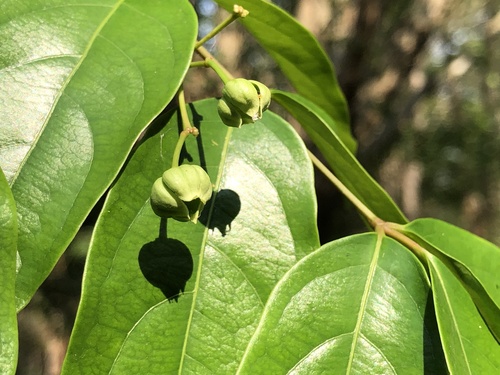
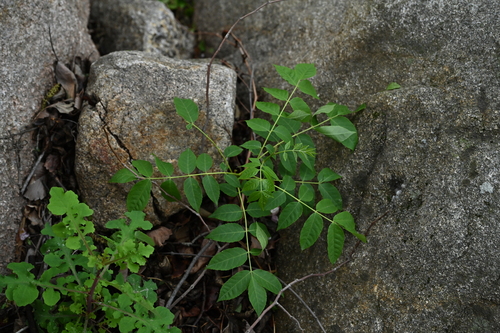
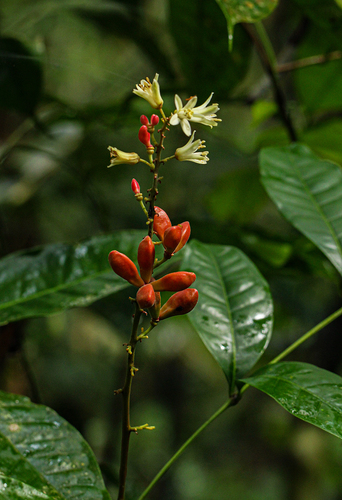
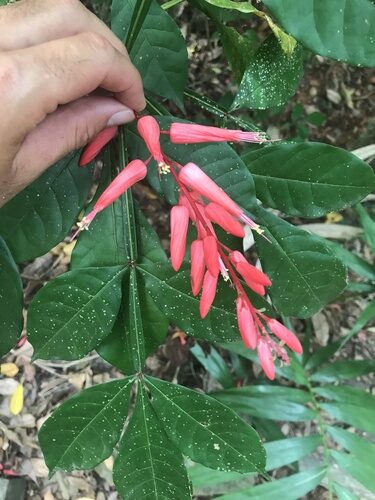
A tree. It grows 21 m tall. The trunk is 39 cm across. The leaves are alternate and simple. The flowers are yellow to red and about 5 cm across. They are in small heads. The fruit are 6 cm long and purple-red. They are flattened and fleshy with one stone and 1-4 seeds inside. It has a thin wing.
Traditional Uses
CAUTION: The seeds cause vomiting and diarrhoea.
This uses section is brief — help expand it
Known Hazards
The seeds cause vomiting and diarrhoea.
Distribution
A tropical plant. It grows in tidal swamps. It occurs up to 200 m above sea level. It can be on sandy soils or limestone.
Where It Grows
Asia, India, Indochina, Indonesia, Madagascar, Malaysia, Pacific, Palau, Papua New Guinea, PNG, Philippines, Polynesia, SE Asia, Solomon Islands, Sri Lanka, Thailand,
Notes
The fruit and seeds are used as medicine. Mentioned as "Aela" in Tok Pisin = Tahitian chestnut " Inocarpus ?" Also as La kilipa in West Nakanai.
Synonyms
Also Known As
Cheskeam, Gatep pait, Humbi, Kacang-kacang, Kayu pait, Kelepis, Kepait, Ioph, Manuggal, Peng, Rapus
References (6)
- Altschul, S.V.R., 1973, Drugs and Foods from Little-known Plants. Notes in Harvard University Herbaria. Harvard Univ. Press. Massachusetts. no. 1951 (As Samadera indica)
- Burkill, I.H., 1966, A Dictionary of the Economic Products of the Malay Peninsula. Ministry of Agriculture and Cooperatives, Kuala Lumpur, Malaysia. Vol 2 (I-Z) p 1979 (As Samadera indica)
- Kitalong, A. H., DeMeo, R. A., & Holm, T., 2013, A Field Guide to the Native Trees of Palau. 2nd edition. USDA p140
- Sukarya, D. G., (Ed.) 2013, 3,500 Plant Species of the Botanic Gardens of Indonesia. LIPI p 482
- World Checklist of Useful Plant Species 2020. Royal Botanic Gardens, Kew
Show all 6 references Hide references
- www.asianplant.net/Simaroubaceae/Quassia_indica