Quassia amara
L.
Bitterwood, Amargo Bark
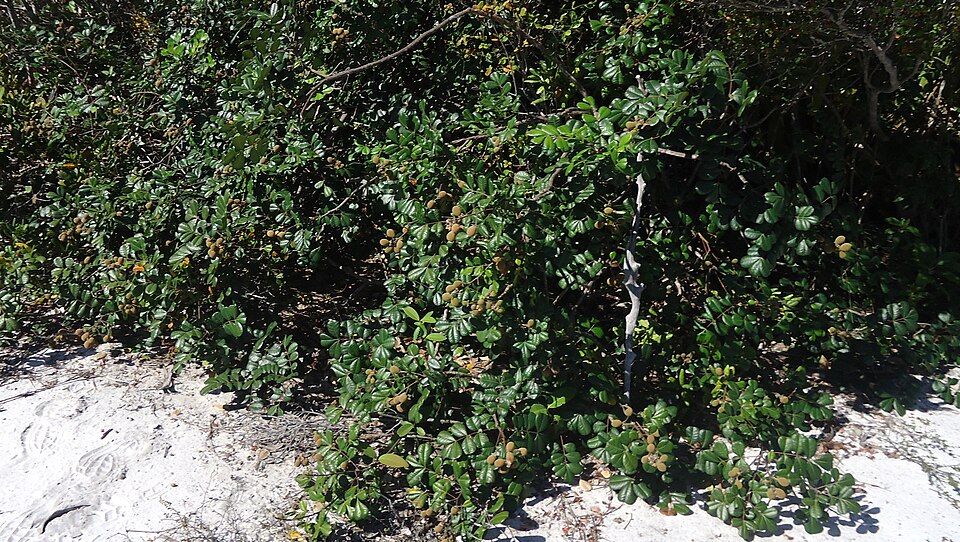
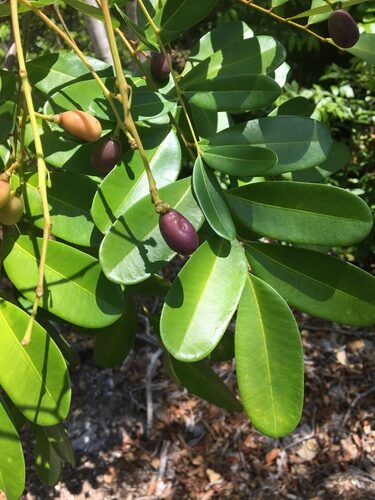
iNaturalist· cc-by-nc
(c) jeremyh2405, some rights reserved (CC BY-NC)
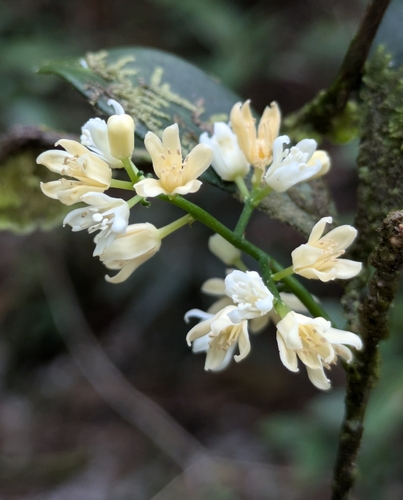
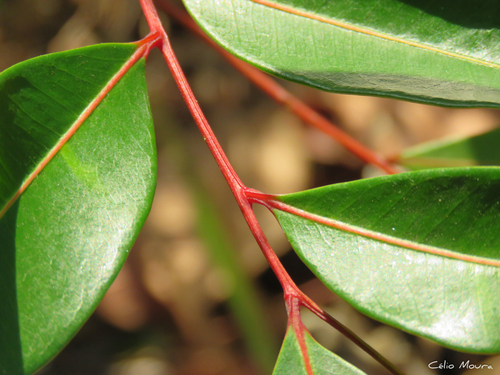
iNaturalist· cc-by-nc
(c) migueljac, some rights reserved (CC BY-NC)
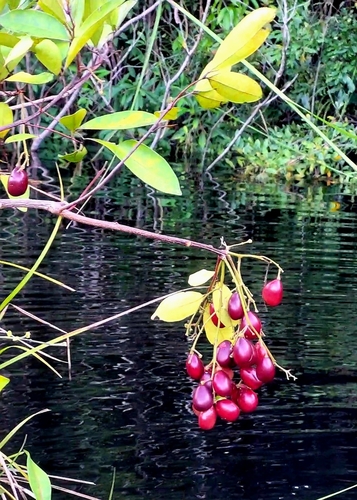
iNaturalist· cc-by-nc
(c) mathias_s, some rights reserved (CC BY-NC), uploaded by mathias_s
Description
Quassia amara is an evergreen Shrub growing to 5 m (16ft) by 5 m (16ft) at a slow rate. See above for USDA hardiness. It is hardy to UK zone 10 and is frost tender. The flowers are pollinated by Hummingbirds. Suitable for: medium (loamy) and heavy (clay) soils. Suitable pH: mildly acid, neutral and basic (mildly alkaline) soils. It can grow in semi-shade (light woodland) or no shade. It prefers moist soil.
Edible Uses
Drink. The bitter principle found in the bark and wood is used as the basis of Angostura Bitters, which is used as a flavouring in gin-based drinks. It is also used as a substitute for hops when brewing beer.
Medicinal Uses
Antidiarrhoeal Antitumor Appetizer Astringent Blood purifier Cancer Digestive Dysentery Febrifuge Laxative Malaria Mouthwash Odontalgic Ophthalmic Parasiticide Skin Tonic Urinary Vermifuge. All parts of the plant contain a bitter principle called quassimarin. This has a range of medical properties including antileukaemic, antitumor, astringent, digestive, febrifuge, laxative, tonic and vermifuge. Quassimarin has been shown to stimulate the secretion of gastric juices, increase the appetite and aid digestion. It has been used successfully in the treatment of anorexia nervosa and is also used in the treatment of malaria and fevers. All parts of the plant can be used on their own or in combination to restore the appetite, stimulate digestion and combat fevers, including malaria. A tea made from the infused leaves is used to bathe the skin of measles patients. It is also used as a mouthwash after tooth extractions. A decoction of the bark is used as a blood purifier and to treat malaria, diarrhoea and dysentery. A decoction of the inner bark is used to treat colds[348 The stem and bark are used in remedies for treating diseases of the spleen, liver (cirrhosis), and urinary tract. The bark is used for treating the weak eyes of alcoholics and, macerated in rum, as a vermifuge. Combined with the macerated stem of Tinospora crispa in rum, cognac or absinthe, it is used to make a beverage for treating diabetes and albuminuria. A decoction of the wood is used in lotions as a wash for persistent venereal ulcers. A decoction of the bark and leaves is used as a wash to rid the skin of external parasites such as agouti lice and as a treatment for measles and smallpox. Stem-bark contains the insecticidal compounds neoquassine and quassine. Sap shows activity against cells derived from carcinoma of human nasopharynx. Plant extracts contain the antileukemic compounds quassimarin and similikalactone.
Distribution
Northern S. America - Guiana, northern Brazil and Venezuela.
Where It Grows
SOUTHERN AMERICA: Trinidad and Tobago (Trinidad), Costa Rica, Nicaragua, Panama, French Guiana, Guyana, Suriname, Venezuela, Brazil, Colombia
Cultivation
A plant for the humid tropics. Prefers a fertile, moist but well-drained soil in a partially shaded position. Bloom Color: Scarlet (Dark Red). Spacing: over 40 ft. (12 m).
Propagation
Seed - Cuttings of half-ripe wood
Other Uses
Houseplant Insecticide Parasiticide. Humid shade garden. large container. Accent. Botanic collection. Conservatory. Other Uses: All parts of the plant, but especially the bark and young stems, can be used as an insecticide. Crushed leaves, placed on body, reputedly act as a mosquito repellent.
Synonyms
Also Known As
Hombre grande, Kwasibita, Asoemaripa, amargo, bitterholz, bitterholzbaum, bitterquassia, bitterwood, bois amer, crucete, cuasia, cuasia amarga, hombre grande, jamaica quassia, kvassia, kwasi beta|weradi sinchona, pau-amarelo, pau-amargo, pau-quássia, quassia, quassia amara, quassia de surinam, quassia surinam, quassia-wood, quassiae lignum, quassiaholzbaum, quassie, quina, quinarana, quinine de cayenne, quinine du pays, quássia-de-caiena, su, surinam quassia, wéwe gífi.