Artabotrys suaveolens
(Blume) Blume
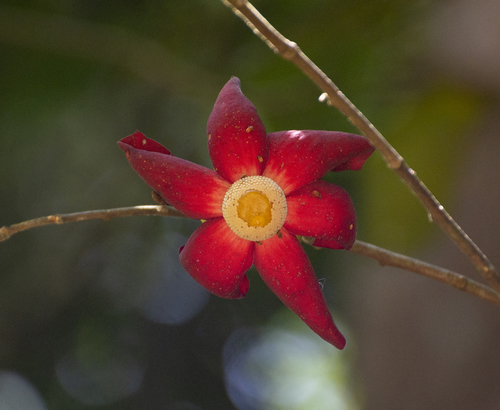
iNaturalist· cc-by-nc-nd
(c) loupok, some rights reserved (CC BY-NC-ND)
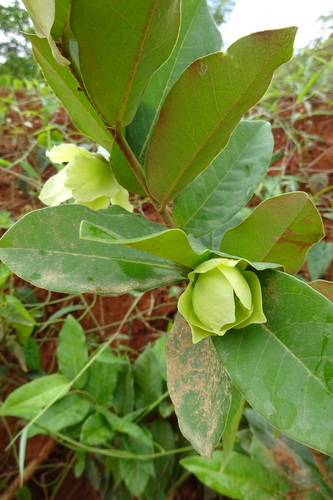
iNaturalist· cc-by
(c) pbsg, some rights reserved (CC BY)
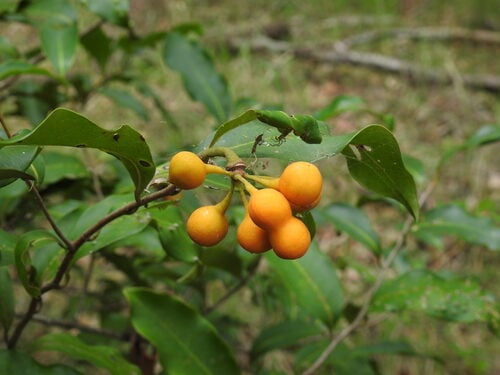
iNaturalist· cc-by
(c) pbsg, some rights reserved (CC BY)
Description
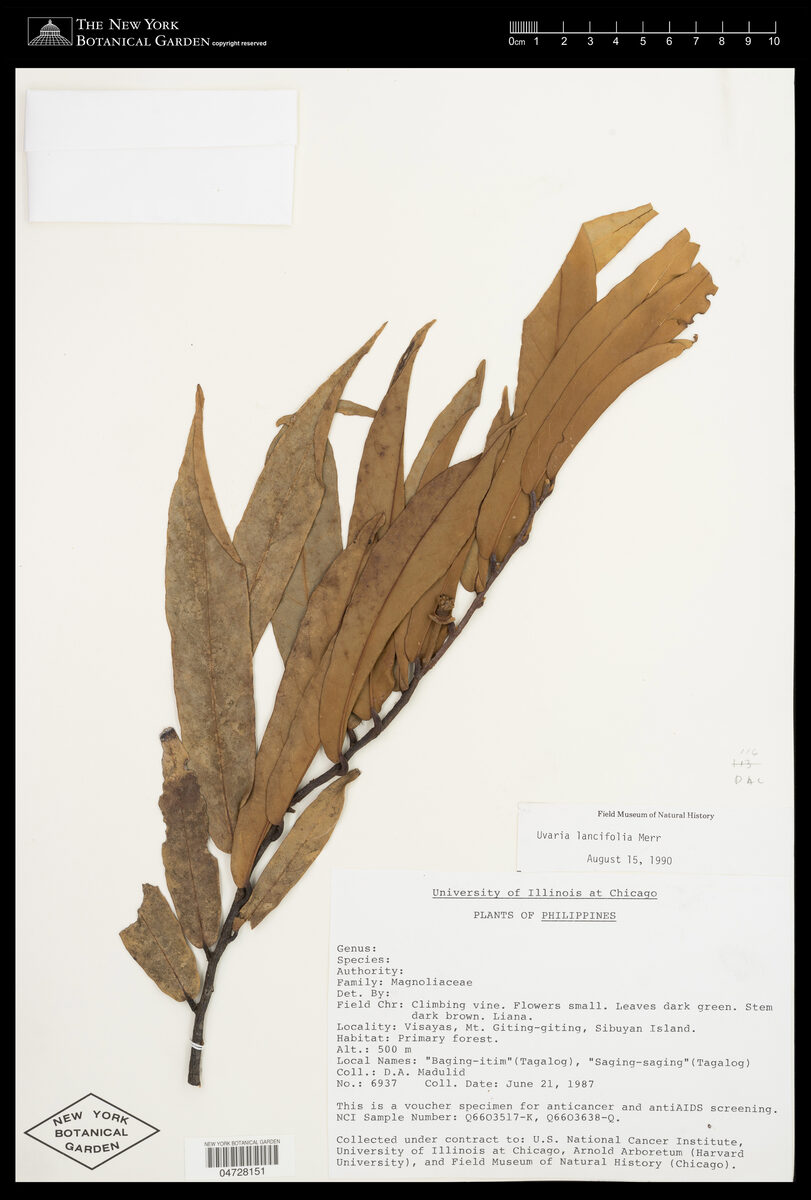
A shrub or climber. It can be 25 m long. Young buds have brown hairs. The leaves are simple and alternate. They are narrowly oval and 3-7 cm long by 2-4 cm wide. They are dark green and shiny. The flowers are in groups of 3-5 or more. Flowers are 2 cm long and white to cream. They have a scent.
Edible Uses
Water and sap can be obtained from the cut stem and consumed.
Traditional Uses
Drinkable water comes from the cut stem.
This uses section is brief — help expand it
Medicinal Uses
Used medicinally, with drinkable water from cut stems employed for health purposes.
Distribution
It is a tropical plant. It grows in lowland and hill forests.
Where It Grows
Asia, Indonesia, Malaysia, Myanmar, New Guinea, Philippines, SE Asia, Thailand, Vietnam,
Other Uses
The twigs are used for cordage. The plants can be used as living fences.
Notes
Medicine
Synonyms
Also Known As
Akar cinchon
References (2)
- Ong, H. C., Mojiun, P. F. J., & Milow, P., 2011, Traditional knowledge of edible plants among the Temuan villagers in Kampung Guntor, Negeri Sembilan, Malaysia. African Journal of Agricultural Research Vol. 6(8), pp. 1962-1965, 18 April, 2011
- Ly, N-S, et al, 2019, Artabotrys suaveolens (Blume) Blume (Annonaceae), a new record of a medicinal plant species for Vietnam. Bioscience Discovery, 10(4):142-146, Oct. - 2019