Duguetia odorata
(Diels) J. F. Macbr.
Fragrant duguetia
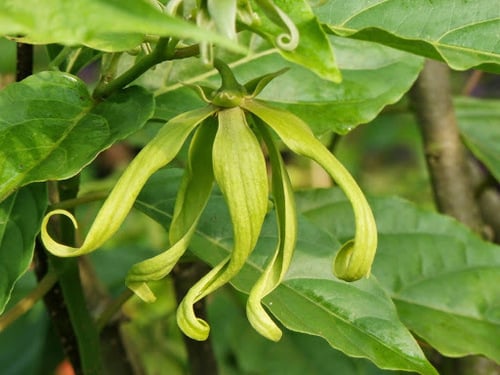
iNaturalist· cc-by-sa
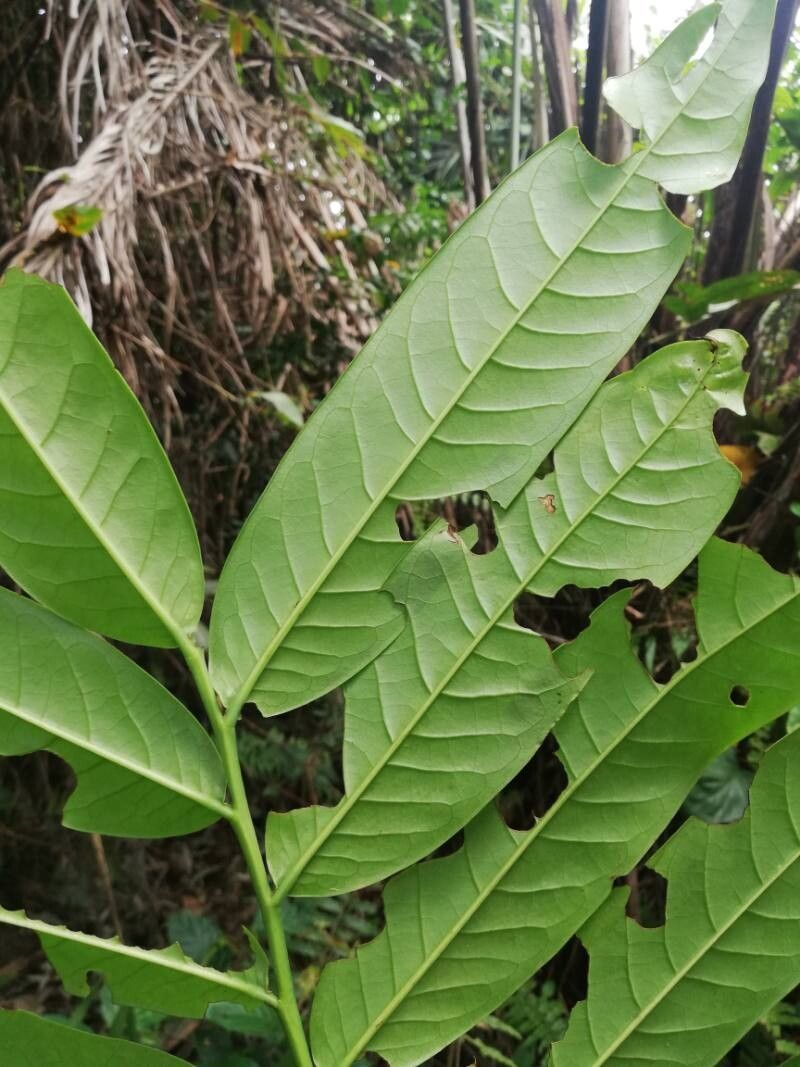
(c) Ignacio Moreira-Corral, some rights reserved (CC BY-SA), uploaded by Ignacio Moreira-Corral
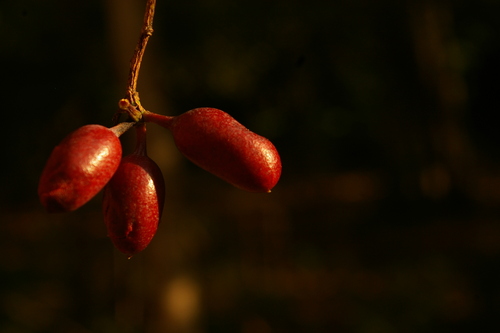
iNaturalist· cc-by-sa
(c) Ignacio Moreira-Corral, some rights reserved (CC BY-SA), uploaded by Ignacio Moreira-Corral
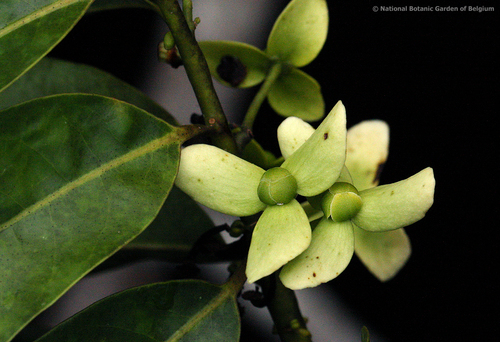
iNaturalist· cc-by-sa
(c) Ignacio Moreira-Corral, some rights reserved (CC BY-SA), uploaded by Ignacio Moreira-Corral
Description
A tropical tree in the Annonaceae family, Duguetia odorata is known for its fragrant characteristics and is found in tropical regions.
This description is brief — help expand it
Edible Uses
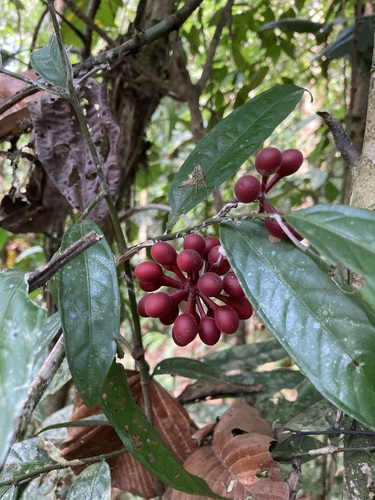
The flowers are dried and mixed with chicha (a traditional S. American beverage) to impart an aromatic flavour. Fruit - raw. The bright red, subglobose fruit is 45 - 65mm in diameter with 70 - 120 fertile carpels each around 16 - 26mm long and 7 - 10mm in diameter.
Medicinal Uses
A Dragendorff spot-test on fresh leaves and bark indicates that both are very strongly alkaloid-positive
Distribution
It is a tropical plant.
Where It Grows
Amazon, Brazil, Colombia, Ecuador, Guyana, Suriname,
Cultivation
Plants can flower and produce fruit throughout the year. The flowers are aromatic.
Other Uses
The bark is used as a binding and tying material. The wood is used for timber and craftwork.
Synonyms
Also Known As
Bara, Carguero, Envira-conduru, Envira-ganguru, Nayehue, Tortuga caspi, Tortuga huayo, Vara
References (3)
- Grandtner, M. M. & Chevrette, J., 2013, Dictionary of Trees, Volume 2: South America: Nomenclature, Taxonomy and Ecology. Academic Press p 210
- Lopez-Diago, D. & Garcia, N., 2021, Wild edible fruits of Colombia. Biota ColomBiana 22 (2) p 29
- Roa, J. A. G. & Boada, D. S. G., 2018, Fundación para el Fortalecimiento de la Fruticultura y Plantas Alimenticias no Convencionales en Colombia.