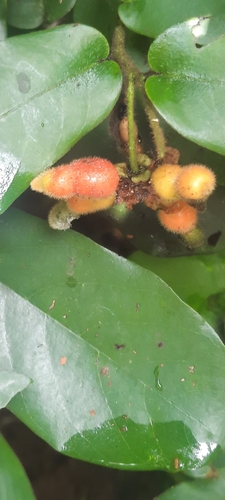
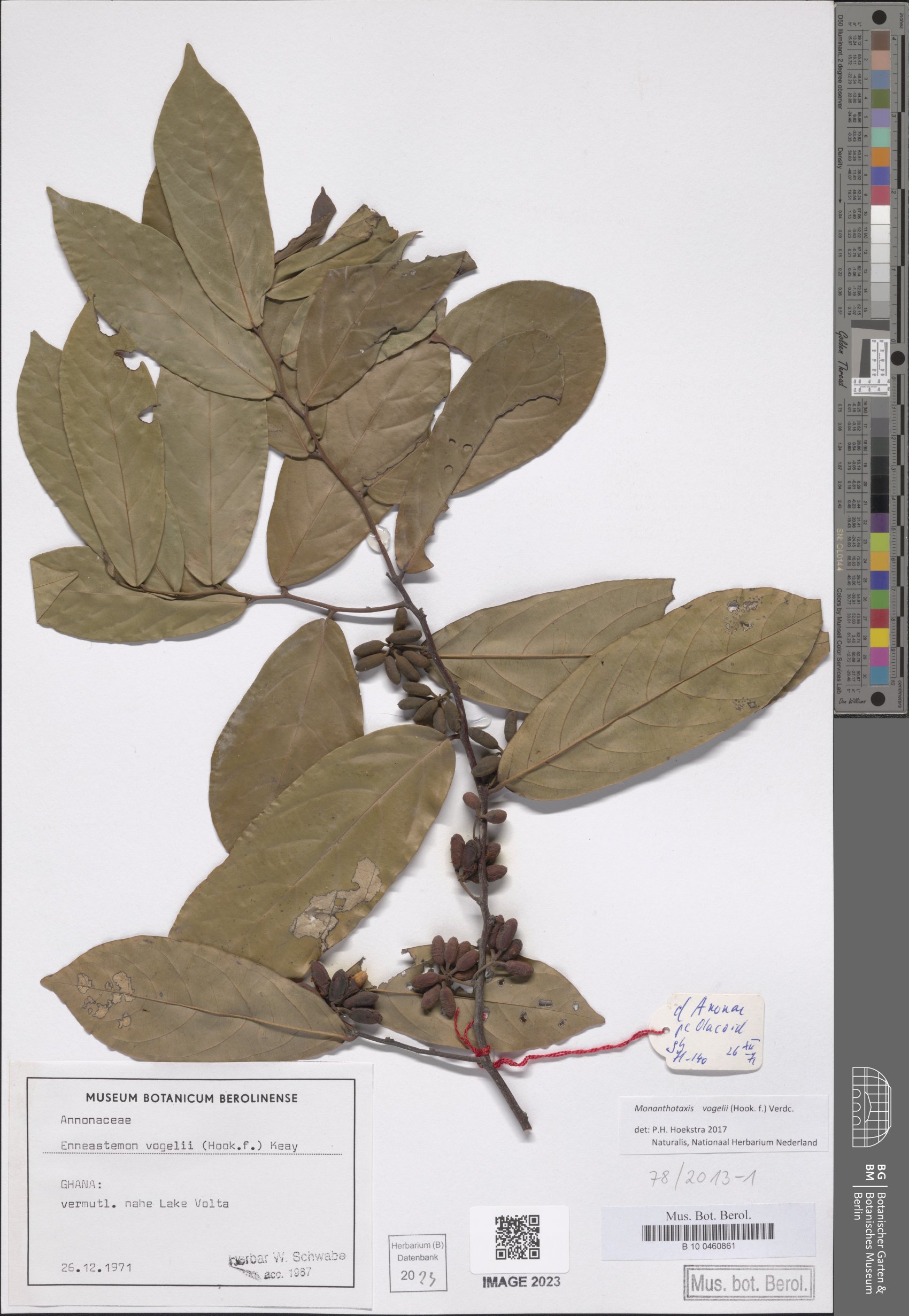
Duguetia sessilis
(Vell.) Maas
iNaturalist· cc-by-nc
(c) Geovane Siqueira, some rights reserved (CC BY-NC), uploaded by Geovane Siqueira
iNaturalist· cc-by-nc
(c) Geovane Siqueira, some rights reserved (CC BY-NC), uploaded by Geovane Siqueira
iNaturalist· cc-by-nc
(c) Geovane Siqueira, some rights reserved (CC BY-NC), uploaded by Geovane Siqueira
Description
A medium-sized tropical tree growing 3-6 m tall in the Annonaceae family.
This description is brief — help expand it
Edible Uses
Fruit - raw. The pulp is eaten. (As Duguetia bracteosa). The pinkish-white, transversely ellipsoid to globose fruit is around 25 - 30mm long and 30 - 45mm in diameter, composed of10 - 20 fertile carpels each 15 - 25mm long and 15 - 20mm in diameter.
Traditional Uses
The pulp of the fruit is eaten.
This uses section is brief — help expand it
Known Hazards
This is a rare and endangered species.
Distribution
It is a tropical plant.
Where It Grows
Brazil, South America,
Cultivation
The flowers have an apple-like scent. The bark has a smell of nutmeg.
Other Uses
The sapwood is yellow, the wood is very hard.
Notes
It is a rare and endangered species.
Synonyms
Also Known As
Pinhao
References (2)
- Martin, F. W., et al, 1987, Perennial Edible Fruits of the Tropics. USDA Handbook 642 p 80 (As Duguetia bracteosa)
- www.colecionandofrutas.org