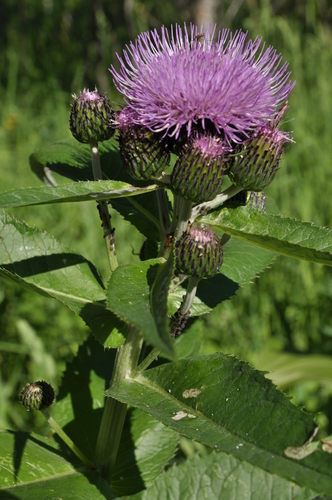
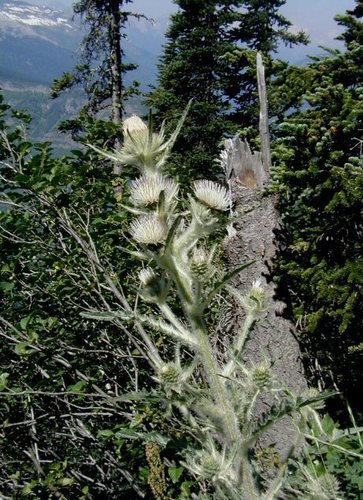
Scorzonera psychrophila
Boiss. & Hausskn. ex Boiss. & Hausskn.
iNaturalist· cc-by-nc
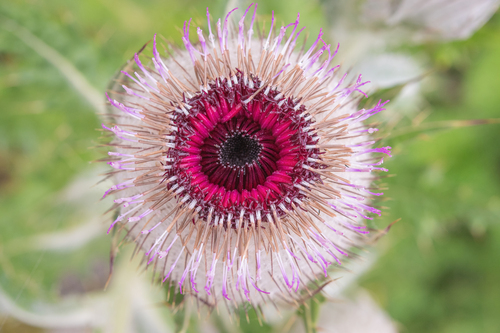
(c) Σάββας Ζαφειρίου (Savvas Zafeiriou), some rights reserved (CC BY-NC)
iNaturalist· cc-by-nc
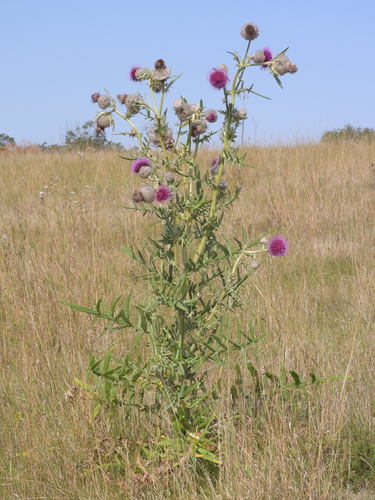
(c) Ron Frumkin, some rights reserved (CC BY-NC)
iNaturalist· cc-by-nc
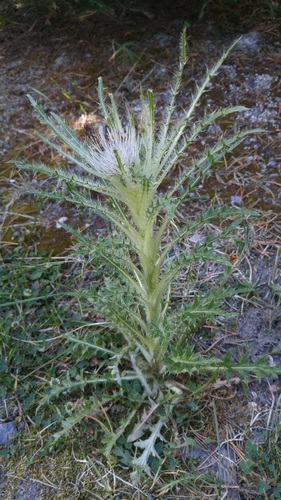
(c) Ron Frumkin, some rights reserved (CC BY-NC)
Description
A herbaceous plant in the Asteraceae family found in temperate regions, cultivated for its edible tubers.
This description is brief — help expand it
Edible Uses
The taproots of this herb are edible and eaten raw when young, but in age they require either cooking or roasting first. In the autumn of the first or second year, the roots can be prepared by being thoroughly rinsed, sectioned and boiled in salt water for a few minutes, then sautéed in a frying pan with a dash of olive oil. A palatable soup can be made from 20 roasted corms, flavored with spring onions, olive oil and a dash of salt.
Traditional Uses
The tubers are eaten as a snack.
This uses section is brief — help expand it
Distribution
It is a temperate plant.
Where It Grows
Turkey, Türkiye,
Synonyms
Also Known As
Pirepind
References (2)
- Ertug, F, Yenen Bitkiler. Resimli Türkiye Florası -I- Flora of Turkey - Ethnobotany supplement (As Scorzonera pseudolanata)
- Yesil, Y., et al, 2019, Traditional knowledge of wild edible plants in Hasankeyf (Batman Province, Turkey). Acta Societatis Botanicorum Poloniae. 88(3):3633 (As Scorzonera pseudolanata)