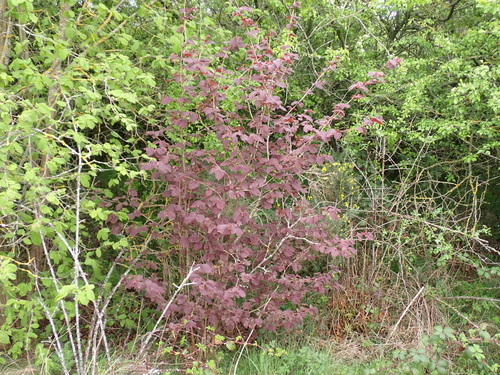
Corylus avellana var. pontica
(C. Koch.) Winkl.
iNaturalist· cc-by-nc-sa
(c) Ramunė Vakarė, some rights reserved (CC BY-NC-SA)
iNaturalist· cc-by-nc
(c) David Ballesteros, some rights reserved (CC BY-NC), uploaded by David Ballesteros
Summary
Source: WikipediaCorylus avellana, the common hazel, is a species of flowering plant in the birch family Betulaceae. The shrubs usually grow 3–8 metres (10–26 feet) tall. The nut is round, in contrast to the longer filbert nut. Common hazel is native to Europe and Western Asia. The species is mainly cultivated for its nuts. The name 'hazelnut' applies to the nuts of any species in the genus Corylus, but in commercial contexts usually describes C. avellana. This hazelnut or cob nut (sometimes cobnut), the kernel of the seed, is edible and used raw, roasted, or ground into a paste. Historically, the shrub was an important component of the hedgerows used as field boundaries in lowland England. The wood was grown as coppice, with the poles used for wattle-and-daub building and agricultural fencing.
Description
A temperate tree in the hazel family (Betulaceae) with edible nuts; one of approximately 15 Corylus species.
This description is brief — help expand it
Edible Uses
The seeds and nuts are edible.
Distribution
It is a temperate plant.
Where It Grows
Asia, Caucasus, Central Asia, Europe, Georgia, Tajikistan, Turkey, Türkiye,
Notes
There are about 15 Corylus species.
Synonyms
Also Known As
Tkhili
References (4)
- Bussman, R. W., et al, 2016, A comparative ethnobotany of Khevsureti, Samtskhe-Javakheti, Tusheti, Svaneti, and Racha-Lechkhumi, Republic of Georgia (Sakartvelo), Caucasus. Journal of Ethnobiology and Ethnomedicine (2016) 12:4
- Bussman, R. W. et al, 2017, Ethnobotany of Samtskhe-Javakheti, Sakartvelo (Republic of Georgia), Caucasus. Indian Journal of Traditional Knowledge Vol. 16(1) pp 7-24 (As Corylus pontica)
- Bussman, R. W., et al, 2021, Unity in diversity—food plants and fungi of Sakartvelo (Republic of Georgia), Caucasus. Journal of Ethnobiology and Ethnomedicine (2021) 17:72 p 7 (As Corylus pontica)
- Plants for a Future, The Field, Penpol, Lostwithiel, Cornwall, PL22 0NG, UK. http://www.scs.leeds.ac.uk/pfaf/
More from Betulaceae
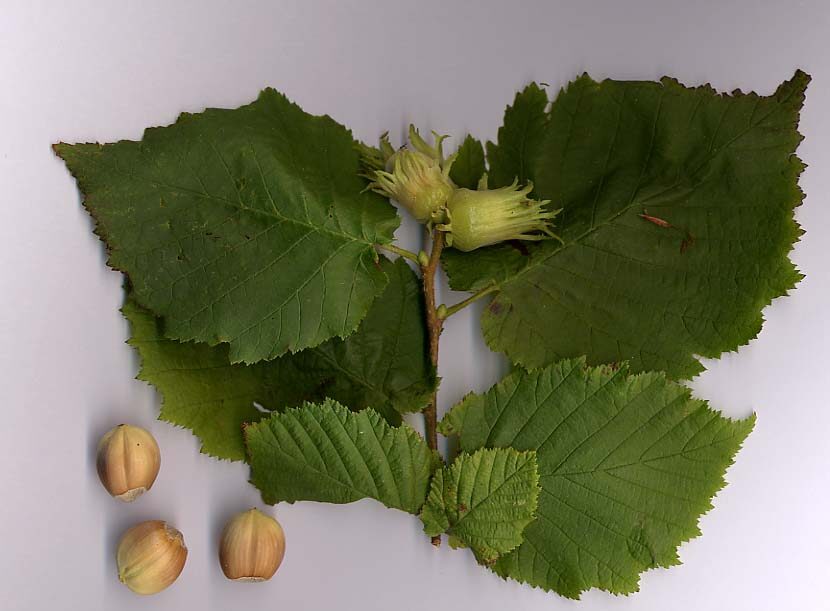
Corylus sieboldiana
Japanese hazel, Siebold's hazel
Corylus sieboldiana mandschurica - (Maxim.&Rupr.)Sc
Hairy hazel, Japanese hazelnut
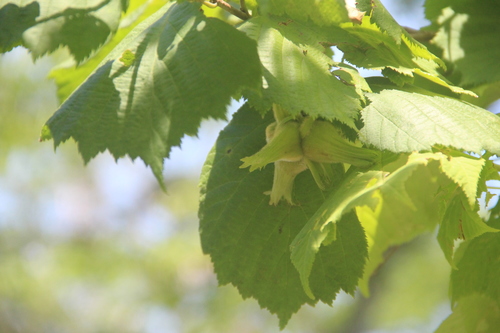
Corylus sieboldiana subsp. mandschurica
Hairy hazel, Japanese hazelnut
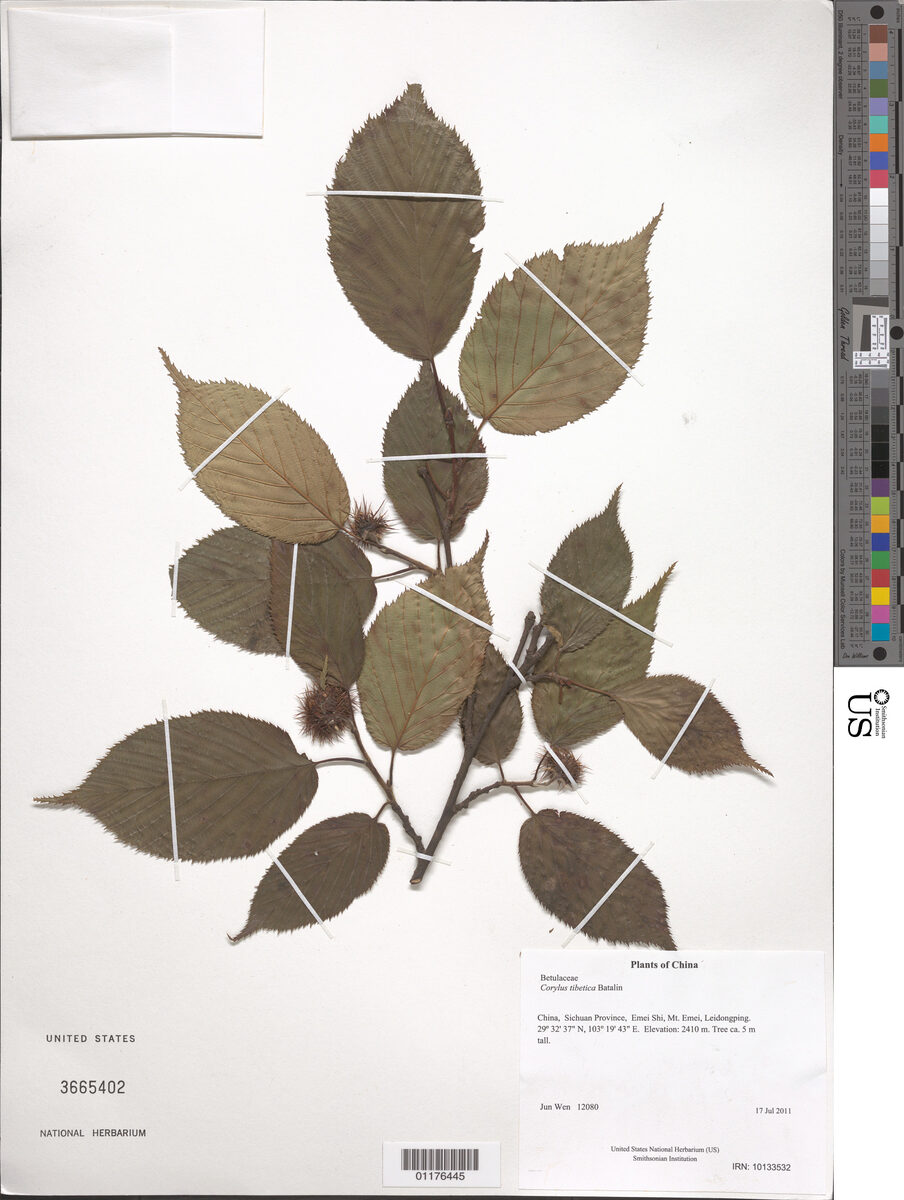
Corylus tibetica
Tibetan Hazelnut
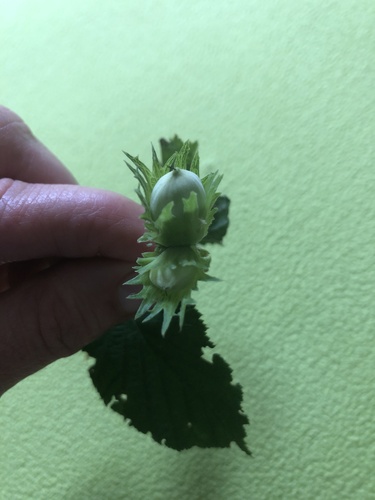
Corylus x colurnoides
Trazel, Turkish trazel
Corylus x sp 1
Hazelbert, Mildred filbert