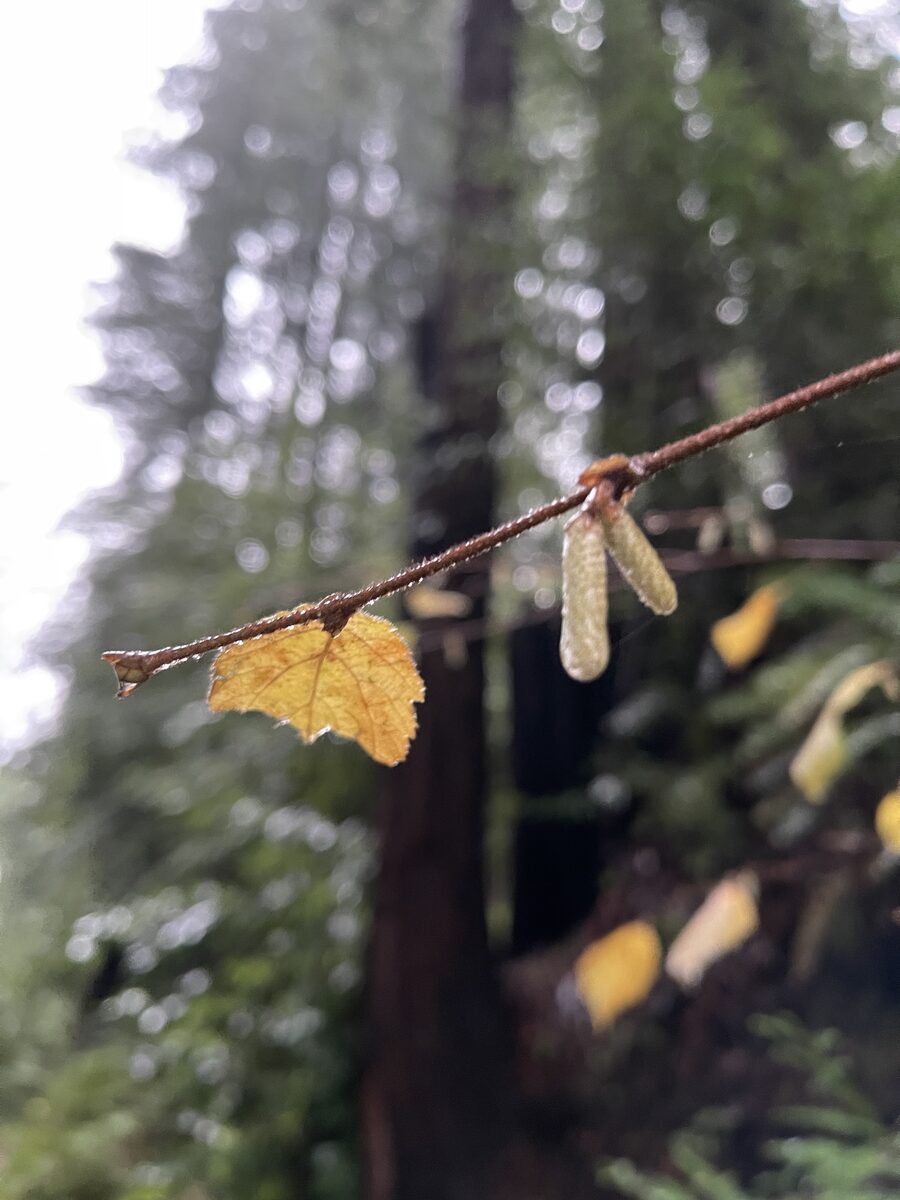
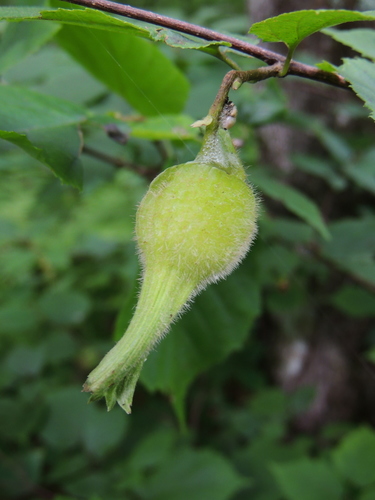
Alnus glutinosa
(L.) Gaertn.
Black alder, European alder
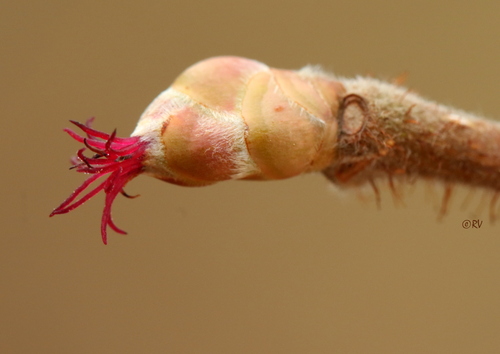
iNaturalist· cc-by-nc
(c) Chuangzao, some rights reserved (CC BY-NC), uploaded by Chuangzao
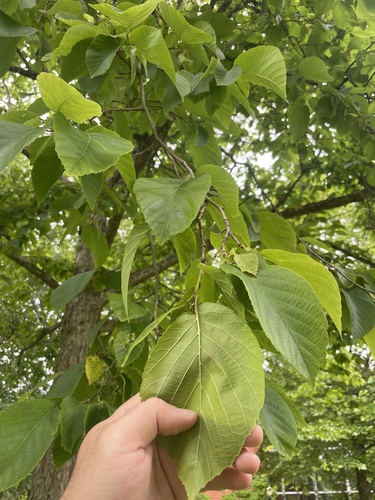
iNaturalist· cc-by-nc
(c) Li Jianong, some rights reserved (CC BY-NC), uploaded by Li Jianong
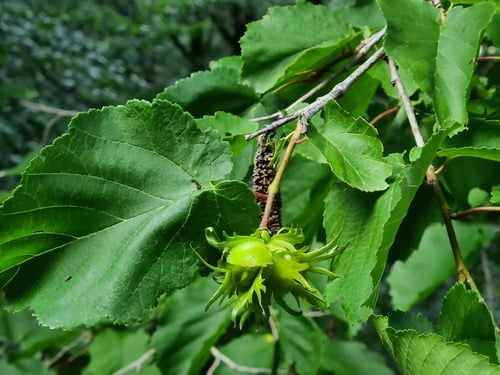
iNaturalist· cc-by-nc
(c) elena_tikhonova, some rights reserved (CC BY-NC), uploaded by elena_tikhonova
Summary
Source: WikipediaAlnus glutinosa, the common alder, black alder, European alder, European black alder, or just alder, is a species of tree in the family Betulaceae, native to most of Europe, southwest Asia and northern Africa. It thrives in wet locations where its association with the bacterium Frankia alni enables it to grow in poor quality soils. It is a medium-sized, short-lived tree growing to a height of up to 30 metres (98 feet). It has short-stalked rounded leaves and separate male and female flowers in the form of catkins. The small, rounded fruits are cone-like and the seeds are dispersed by wind and water. The common alder provides food and shelter for wildlife, with a number of insects, lichens and fungi being completely dependent on the tree. It is a pioneer species, colonising vacant land and forming mixed forests as other trees appear in its wake. Eventually common alder dies out of woodlands because the seedlings need more light than is available on the forest floor. Its more usual habitat is forest edges, swamps and riverside corridors. The timber has been used in underwater foundations and for manufacture of paper and fibreboard, for smoking foods, for joinery, turnery and carving. Products of the tree have been used in ethnobotany, providing folk remedies for various ailments, and research has shown that extracts of the seeds are active against pathogenic bacteria.
Description
Alnus glutinosa is a deciduous tree reaching 25 m (82 ft) tall by 10 m (32 ft) wide, growing at a fast rate. Hardy to UK zone 3. Foliage present March to November; flowers March to April; seeds ripen September to November. Monoecious, wind-pollinated species with nitrogen-fixing capability and noted wildlife attraction. Tolerates medium loamy and heavy clay soils including nutritionally poor types, mildly acid to mildly alkaline pH, semi-shade to full sun, and moist to wet soils. Withstands maritime exposure.
Edible Uses
No edible uses are known for this plant.
Medicinal Uses
The bark is alterative, astringent, cathartic, febrifuge and tonic. Fresh bark causes vomiting, so dried bark should be used for all purposes except as an emetic. A decoction of dried bark is used to bathe swellings and inflammations, particularly of the mouth and throat. Powdered bark and leaves have been used internally as an astringent and tonic, and the bark has also been used internally and externally as a haemostatic to control haemorrhage. The dried bark of young twigs or the inner bark of branches 2–3 years old is used; it is harvested in spring and dried for later use. Boiling the inner bark in vinegar produces a wash effective against lice and skin conditions such as scabies and scabs, and the same liquid can serve as a tooth rinse. The leaves are astringent, galactogogue and vermifuge, and are used to help reduce breast engorgement in nursing mothers. A decoction of the leaves is used in folk remedies for cancers of the breast, duodenum, oesophagus, face, pylorus, pancreas, rectum, throat, tongue and uterus. Leaves are harvested in summer and used fresh.
Known Hazards
Pollen from the common alder, along with that from birch and hazel, is one of the many sources of tree pollen allergy. As pollen is often present in the atmosphere at the same time as that of hazel, hornbeam and oak, and they have similar physicochemical properties, it is difficult to separate out their individual effects. In central Europe, these tree pollens are the second most common cause of allergic conditions after grass pollen.
Distribution
It is a temperate plant. Arboretum Tasmania.
Where It Grows
Africa, Albania, Australia, Central Asia, Europe, Ireland, Latvia, Lithuania, North America, Poland, South Africa, Sweden, Switzerland, Tajikistan, Tasmania, USA,
Propagation
Seed is best sown in a cold frame as soon as it is ripe, only just covered. Spring-sown seed also germinates successfully provided it is not covered. Germination occurs as temperatures rise in spring. Seedlings should be pricked out into individual pots when large enough to handle, then planted into permanent positions in summer if growth is sufficient, or overwintered in pots and planted out the following spring. There are approximately 700,000–750,000 seeds per kilo, but on average only about 20,000–25,000 plantable seedlings are produced. Seeds can remain viable for at least 12 months after floating in water and germinate equally well under continuous darkness as under normal day lengths. Air-dried seeds stored at 1–2°C retain viability for two years. Seeds can also be sown immediately when ripe. With sufficient seed, sow thinly in an outdoor seed bed in spring; seedlings can be planted into permanent positions in autumn or winter, or grown on for a further season before planting. Cuttings of mature wood can be taken as soon as the leaves fall in autumn and rooted outdoors in sandy soil.
Other Uses
Tolerant of clipping and maritime exposure, alder can be grown as a windbreak or hedge and establishes quickly, growing at 1 metre or more per year when young. It is an excellent pioneer species for re-establishing woodland on disused farmland and difficult sites, rapidly creating sheltered conditions that allow more permanent woodland trees to establish. Root bacteria fix atmospheric nitrogen, enabling growth on poor soils while also benefiting neighbouring plants. The heavy leaf canopy contributes to humus build-up when leaves fall in autumn. Alder seedlings do not compete well in shade and gradually die out as other trees establish, making it a self-limiting pioneer. Its nitrogen-fixing roots also make it suitable for land reclamation schemes. The tree can be used as a biomass source; annual productivity is estimated at 6–9 tonnes per hectare, with one site yielding 11.8 tonnes per hectare per annum on pulverised fuel ash (5.87 tonnes in wood, bark and branches; 2.79 tonnes in foliage). It has been recommended for firewood plantations in tropical highlands where unseasonal cold might destroy red alder. Powdered bark is used as an ingredient in toothpastes, and bark sticks have been chewed as tooth cleaners. An ink and a tawny-red dye are obtained from the bark; a green dye from the catkins; a pinkish-fawn dye from the fresh green wood; a yellow dye from bark and young shoots; and a cinnamon dye from shoots harvested in March, which becomes a tawny shade when dried and powdered. The bark and fruits contain up to 20% tannin, though high levels of dyestuff limit their usefulness for tanning. Leaves are also a good tannin source. Clammy leaves spread in a room are said to trap fleas and flies on their glutinous surface. The wood is very durable in water, elastic, soft, fairly light, easily worked and split; it is used for underwater applications, furniture, pencils, bowls, woodcuts and clogs, and is valued by cabinet makers. The wood also makes good charcoal.
Notes
The wood is burned and used for smoking meat.
Synonyms
Also Known As
Aulne glutineuz, Crann fearna, Melnais alksnis, Ogn nair, Ontano comune
References (3)
- Prakofjewa, J., et al, 2023, Boundaries Are Blurred: Wild Food Plant Knowledge Circulation across the Polish-Lithuanian-Belarusian Borderland. Biology 2023, 12, 571.
- Pruse, B., et al, 2021, Active Wild Food Practices among Culturally Diverse Groups in the 21st Century across Latgale, Latvia. Biology 2021, 10, 551.
- World Checklist of Useful Plant Species 2020. Royal Botanic Gardens, Kew