Alnus incana
(L.) Moench
Grey alder
iNaturalist· cc-by-nc
(c) Mark Kluge, some rights reserved (CC BY-NC), uploaded by Mark Kluge
iNaturalist· cc-by-sa
(c) Hladac, some rights reserved (CC BY-SA)
iNaturalist· cc-by-nc
(c) Jean Besset, some rights reserved (CC BY-NC), uploaded by Jean Besset
Summary
Source: WikipediaAlnus incana, the grey alder, tag alder or speckled alder, is a species of multi-stemmed, shrubby tree in the birch family, with a wide range across the cooler parts of the Northern Hemisphere. Tolerant of wetter soils, it can slowly spread with runners and is a common sight in swamps and wetlands.
Description
Alnus incana is a deciduous tree reaching 18 m (59 ft) tall by 5 m (16 ft) wide, growing at a fast rate. Hardy to UK zone 2, flowering February to March. Monoecious, wind-pollinated species with nitrogen-fixing root bacteria. Adapts to medium loamy and heavy clay soils including nutritionally poor types, mildly acid to mildly alkaline pH, semi-shade to full sun, and dry, moist, or wet soils. Tolerates maritime exposure.
Edible Uses
The inner bark is technically edible but of very poor quality. It contains high levels of bitter tannins requiring extensive processing—boiling in multiple changes of water, drying, and grinding into flour—and even then bitterness persists with little nutritional value. The bark is available year-round but should only be considered a survival food, and only if mixed with more nutritious ingredients. Male catkins, available from late winter through early summer, are a better resource and can be boiled and eaten. They have a somewhat bitter and resinous flavour but are tolerable compared to other alder parts, with a dry, grainy texture. Male catkins can also be harvested for their pollen, which can be sifted off and sprinkled back onto the cooked catkins. Female catkins are small and woody, maturing into cone-like structures that are not suitable for food. The sap and other tissues contain tannins and are not suitable for consumption.
Traditional Uses
The wood is dried and used to smoke meat and fish,
This uses section is brief — help expand it
Medicinal Uses
No medicinal uses are known for this plant.
Distribution
It is a temperate plant. It suits hardiness zones 2-6. Arboretum Tasmania.
Where It Grows
Albania, Asia, Australia, Azerbaijan, Caucasus, Central Asia, Europe, Finland, Korea, Latvia, Lithuania, Poland, Russia, Slovenia, Tajikistan, Tasmania,
Propagation
Seed is best sown in a cold frame as soon as it is ripe, only just covered. Spring-sown seed also germinates successfully provided it is not covered. Germination occurs as temperatures rise in spring. Seedlings should be pricked out into individual pots when large enough to handle, then planted into permanent positions in summer if growth is sufficient, or overwintered in pots and planted out the following spring. With sufficient seed, sow thinly in an outdoor seed bed in spring; seedlings can be planted into permanent positions in autumn or winter, or grown on for a further season before planting. Cuttings of mature wood can be taken as soon as the leaves fall in autumn and rooted outdoors in sandy soil.
Other Uses
This species fixes atmospheric nitrogen and tolerates polluted soils, making it useful for land reclamation, especially on coal tips. It is an excellent pioneer species for re-establishing woodland on disused farmland and difficult sites, quickly providing sheltered conditions for more permanent woodland trees to establish. Root bacteria fix atmospheric nitrogen, allowing growth on poor soils while making nitrogen available to neighbouring plants. The heavy leaf canopy contributes to humus build-up when leaves fall in autumn. Alder seedlings do not compete well in shade and gradually die out as other trees establish. The bark and fruits contain up to 20% tannin. The wood is light, soft, fairly elastic and easy to split; it is used for clogs, bowls and woodcuts and is valued by cabinet makers.
Notes
The wood is burned and used for smoking meat.
Also Known As
Alksnis, Lepp, Ol'kha, Siva jelša
References (4)
- Jackes, D. A., Edible Forest Gardens
- Kolosova, V., et al, 2020, Foraging in Boreal Forest: Wild Food Plants of the Republic of Karelia, NW Russia. Foods 2020, 9, 1015; p 8
- Postman, J. D., et al, 2012, Recent NPGS Coordinated Expeditions in the Trans-Caucasus Region to Collect Wild Relatives of Temperate Fruit and Nut Crops. In Acta Horticulturae Number 948 p 191-198
- Prakofjewa, J., et al, 2023, Boundaries Are Blurred: Wild Food Plant Knowledge Circulation across the Polish-Lithuanian-Belarusian Borderland. Biology 2023, 12, 571.
More from Betulaceae
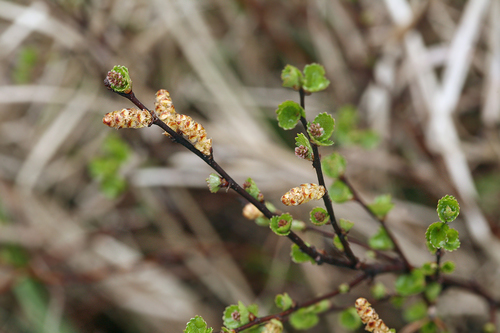
Betula nana
Bog Birch, Dwarf Birch, Smooth Dwarf, Birch, Swamp Birch
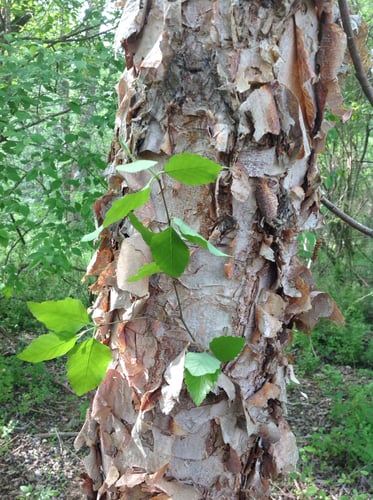
Betula nigra
River Birch, Red Birch, Tropical birch
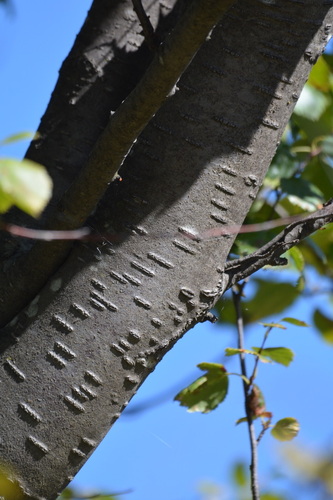
Betula occidentalis
Water birch, White birch
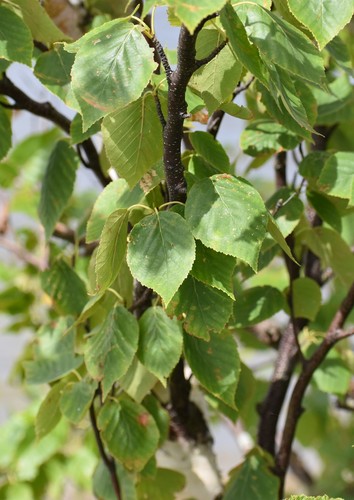
Betula papyrifera
Paper birch, Canoe Birch, White birch
Betula pendula
European Birch, Silver Birch
Betula platyphylla
White Birch, Asian white birch