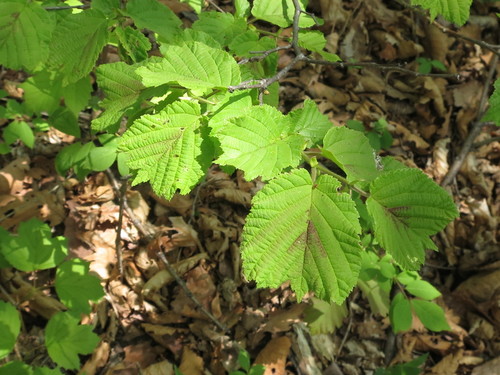
Alnus nepalensis
D. Don
Nepalese alder
iNaturalist· cc-by-nc
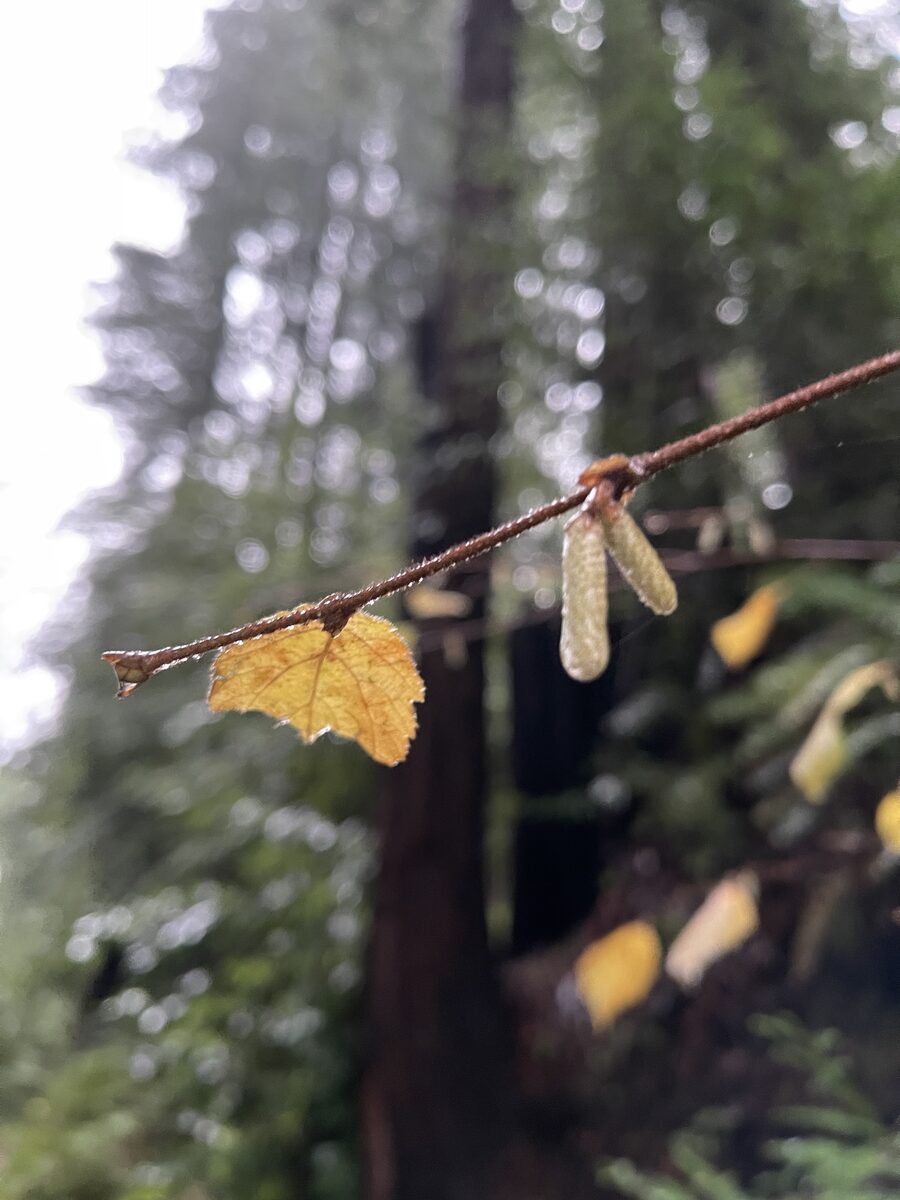
(c) Rajendra Koranga, some rights reserved (CC BY-NC), uploaded by Rajendra Koranga
iNaturalist· cc-by
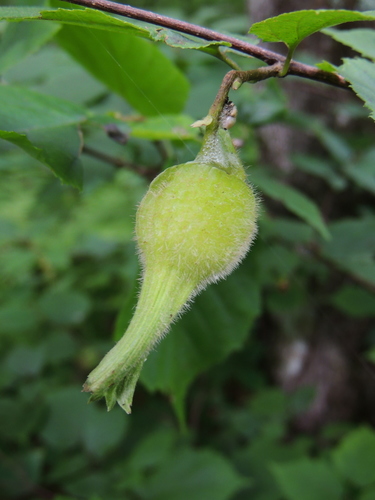
(c) payalm, some rights reserved (CC BY)
iNaturalist· cc-by-nc
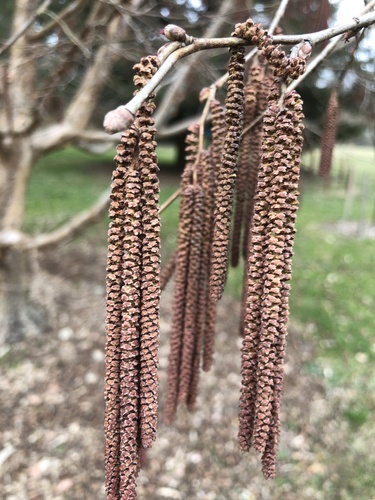
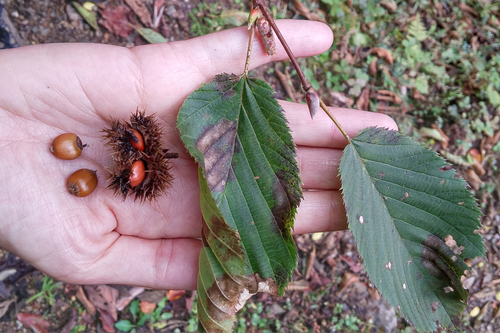
(c) Benoît Segerer, some rights reserved (CC BY-NC), uploaded by Benoît Segerer
Summary
Source: WikipediaAlnus nepalensis is a large alder tree found in the subtropical highlands of the Himalayas. The tree is called Utis in Nepali and Nepalese alder in English. It is used in land reclamation, as firewood and for making charcoal.
Description
Alnus nepalensis is a fast-growing deciduous tree reaching 22 m tall, hardy to UK zone 9. It flowers from September to October with monoecious, wind-pollinated catkins. The tree fixes nitrogen and thrives in moist or wet, mildly acid to basic soils, including heavy clay and nutritionally poor areas. It tolerates semi-shade to full sun and is well-suited for tropical upland plantations and reforestation of eroded slopes.
Edible Uses
No edible uses are known for this plant.
Traditional Uses
The tender leaves are fermented and used for a tea drink.
This uses section is brief — help expand it
Medicinal Uses
The tree has useful diuretic properties and is used to reduce swelling of the leg. The juice of the bark is boiled and the resulting gelatinous liquid applied externally to burns.
Distribution
It is a temperate plant. Arboretum Tasmania.
Where It Grows
Asia, Australia, India, Nepal, Northeastern India, Sikkim, Tasmania,
Cultivation
Prefers a heavy soil and a damp situation. Grows well in heavy clay soils. Succeeds in very infertile sites. The Nepalese alder is reported to tolerate clay, flooding, fog, gravel, sand, shade, slope, water-logging, and weeds. It is not tolerant of high winds. Grows best in deep well-drained loams or loamy soils of alluvial soils, but ranges from gravel to sand to clay. Prefers an annual rainfall estimated at 50 - 250cm, an annual average temperature in the range of 19 - 23°C, and a pH of 6 - 8. This species is possibly only hardy in the milder areas of Britain. This species has a symbiotic relationship with certain soil micro-organisms, these form nodules on the roots of the plants and fix atmospheric nitrogen. Some of this nitrogen is utilized by the growing plant but some can also be used by other plants growing nearby. In garden design, as well as the above-ground architecture of a plant, root structure considerations help in choosing plants that work together for their optimal soil requirements including nutrients and water.
Propagation
Seed is best sown in a cold frame as soon as it is ripe, only just covered. Spring-sown seed also germinates successfully provided it is not covered. Germination occurs as temperatures rise in spring. Seedlings should be pricked out into individual pots when large enough to handle, then planted into permanent positions in summer if growth is sufficient, or overwintered in pots and planted out the following spring. With sufficient seed, sow thinly in an outdoor seed bed in spring; seedlings can be planted into permanent positions in autumn or winter, or grown on for a further season before planting. Cuttings of mature wood can be taken as soon as the leaves fall in autumn and rooted outdoors in sandy soil.
Other Uses
The bark contains 7% tannin and is used in dyeing and tanning, including to deepen the red colour of madder (Rubia cordifolia). A fast-growing species, it is suitable for plantation cultivation in tropical uplands and is locally cultivated by the West Java Forest Service to reforest eroded slopes in ever-wet climates. The tree establishes rapidly on areas subject to landslides, binding the soil with its extensive root system and stabilising slopes. The wood is soft, tough, even-grained, reasonably durable, easily sawn, seasons well and does not warp; it is used in carpentry, house construction, tea boxes, furniture and rope bridges, and is considered a very good timber deserving wider use. In India the trees are coppiced every two years for fuel.
Synonyms
Also Known As
Mhu-sheng, Songru-kung, Utis, Uttis
References (4)
- Savita, et al, 2006, Studies on wild edible plants of ethnic people in east Sikkim. Asian J. of Bio Sci. (2006) Vol. 1 No. 2 : 117-125
- Sundriyal, M. & Sundriyal, R. C., 2004, Structure, Phenology, Fruit Yield, and Future Prospects of some Prominent Wild Edible Plant Species of the Sikkim Himalaya, India. Journal of Ethnobiology 24(1): 113-138
- Tsering, J., et al, 2017, Ethnobotanical appraisal on wild edible plants used by the Monpa community of Arunchal Pradesh. Indian Journal of Traditional Knowledge. Vol 16(4), October 2017, pp 626-637
- World Checklist of Useful Plant Species 2020. Royal Botanic Gardens, Kew