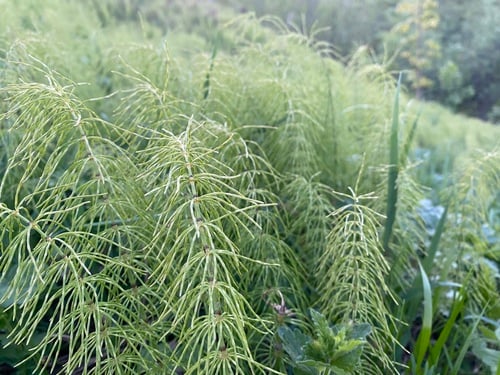
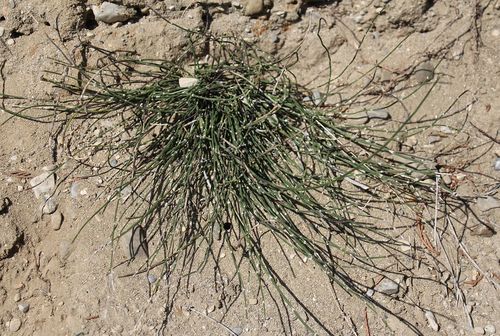
Equisetum palustre
L.
iNaturalist· cc-by-nc
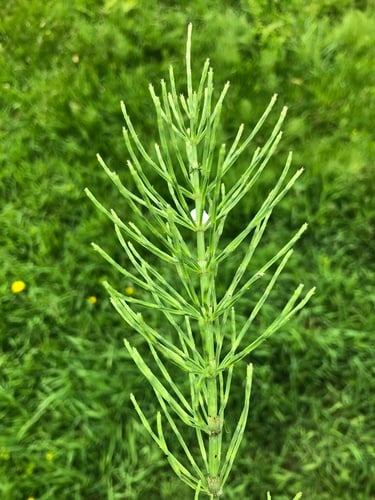
(c) hpr61, some rights reserved (CC BY-NC), uploaded by hpr61
iNaturalist· cc-by-nc
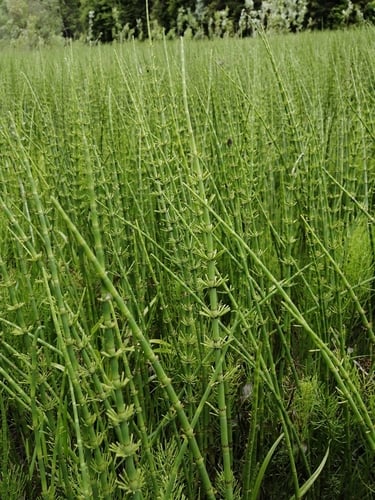
(c) Kira Marchenkova, some rights reserved (CC BY-NC), uploaded by Kira Marchenkova
iNaturalist· cc-by-nc
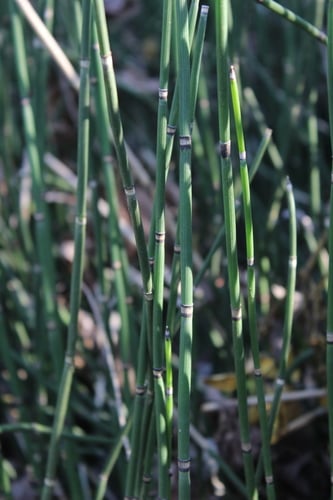
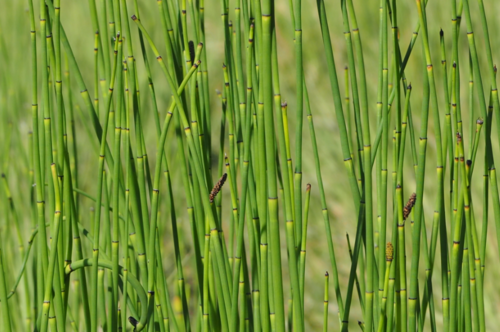
(c) T. Abe Lloyd, some rights reserved (CC BY-NC), uploaded by T. Abe Lloyd
Summary
Source: WikipediaEquisetum palustre, the marsh horsetail, is a perennial herbaceous pteridophyte belonging to the subclass of horsetails (Equisetidae). It is widespread in cooler regions of Eurasia and North America.
Description
A perennial horsetail reaching 60 cm (2 ft) tall. Hardy to UK zone 2. Grows in light sandy, medium loamy, and heavy clay soils, including nutrient-poor conditions. Tolerates mildly acidic, neutral, and mildly alkaline pH. Grows in semi-shade or full sun and prefers moist or wet soil. Seeds ripen May to July.
Edible Uses
None known
Traditional Uses
The leaves are dried and used for tea.
This uses section is brief — help expand it
Medicinal Uses
Horsetails have an unusual chemistry compared to most other plants — they are rich in silica, contain several alkaloids including nicotine, and various minerals. Horsetail is very astringent and makes an excellent clotting agent, staunching wounds, stopping nosebleeds, and reducing the coughing up of blood. It helps speed the repair of damaged connective tissue, improving its strength and elasticity. An infusion or decoction of the plant has been used in the treatment of constipation, stomach complaints, and bowel complaints.
Known Hazards
Equisetum palustre is poisonous to mammals, most often reported as potentially fatal to horses, as it contains alkaloids palustrine and palustridiene, which destroy vitamin B1. According to Wink, Equisetum palustre also contains thiaminase enzymes. It is also known to contain lesser amounts of nicotine. Many thiaminases, however, are denatured by heat, and some sources refer Equisetum palustre safe to eat in moderate amounts when properly cooked. In Finland, it used to lower the production of dairy when cows would eat them in place of other preferable fodder.
Distribution
It is a temperate plant. It grows in damp or marshy ground.
Where It Grows
Europe, Korea, Luxembourg, Slovenia, Ukraine,
Cultivation
We have no information on the needs of this species but, judging by the plant's native habitat, it is likely to require a moist to wet soil in a sunny position. A very cold-hardy species tolerating temperatures down to about -30°c. Plants have a deep and penetrating root system and can be invasive. If grown in the garden they are best kept in bounds by planting them in a large container which can be sunk into the ground.
Propagation
Spores should ideally be collected as soon as they ripen in spring and surface-sown immediately on sterile compost. Keep moist and pot up as soon as plants are large enough to handle. Germination is very difficult. Division is also possible; plants usually spread freely when well sited and rarely need assistance.
Other Uses
The stems contain 10% silica and can be used for scouring metal and as a fine sandpaper, as well as for polishing brass, hardwood, and similar materials. An infusion of the stem is an effective fungicide against mildew, mint rust, and blackspot on roses, and also makes a good liquid feed. It is also noted as a dynamic accumulator.
Also Known As
Močvirska preslica
References (2)
- Pieroni, A. & Soukand, R., 2018, Forest as Stronghold of Local Ecological Practice: Currently Used Wild Food Plants in Polesia, Northern Ukraine. Economic Botany, XX(X) pp. 1-21
- Urgamal, M., et al, 2014, Conspectus of the Vascular Plants of Mongolia. Mongolia Academy of Sciences Institute of Botany and National University of Mongolia Department of Biology. p 30