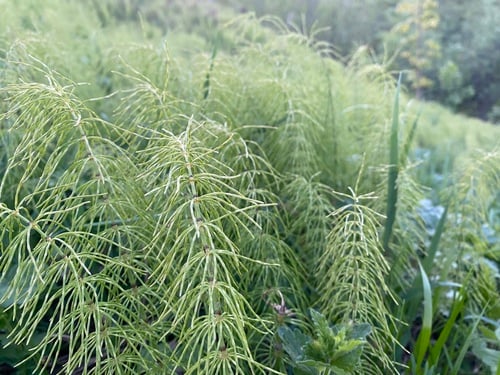
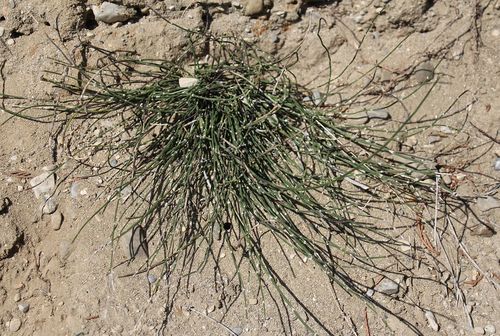
Equisetum sylvaticum
L.
Wood horsetail
iNaturalist· cc-by-nc
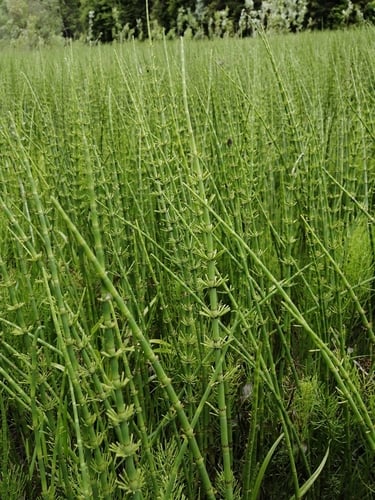
(c) Gennadiy Okatov, some rights reserved (CC BY-NC), uploaded by Gennadiy Okatov
iNaturalist· cc-by-nc
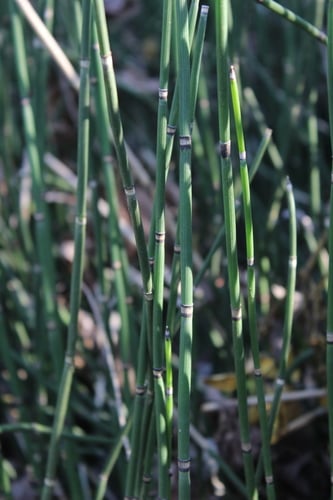
(c) Alexey Zyryanov, some rights reserved (CC BY-NC)
iNaturalist· cc-by-nc
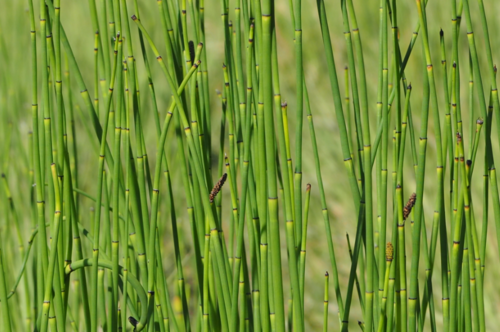
(c) Alexey Zyryanov, some rights reserved (CC BY-NC)
Summary
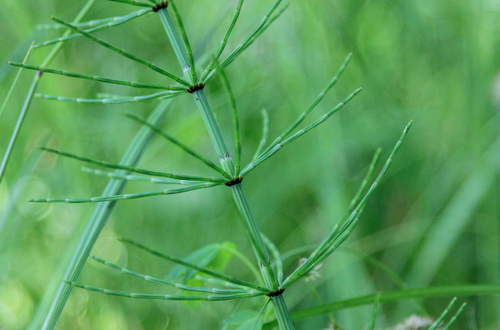
Source: WikipediaEquisetum sylvaticum, the wood horsetail, is a horsetail (family Equisetaceae) native to the Northern Hemisphere, occurring in North America and Eurasia. Because of its lacy appearance, it is considered among the most attractive of the horsetails.
Description
Perennial reaching 0.6 m tall, hardy to UK zone 2. Seeds ripen April to May. Accommodates light sandy, medium loamy, and heavy clay soils with mildly acid to mildly alkaline pH. Grows in semi-shade (light woodland), preferring moist soil conditions.
Edible Uses
The fertile shoots (strobili) that emerge in spring can be cooked as an asparagus substitute, though they are neither particularly palatable nor nutritious. Caution is advised regarding toxicity. The roots can also be cooked and provide a source of starch, though the same toxicity caution applies.
Traditional Uses
CAUTION:
This uses section is brief — help expand it
Medicinal Uses
Horsetails have an unusual chemistry compared to most plants, being rich in silica, containing several alkaloids including nicotine, and various minerals. This species is astringent, diuretic, and styptic. The barren stems are the part used medicinally — most effective when fresh, though they can be dried; the ashes of the plant are also sometimes used. Taken internally, the plant acts as a useful diuretic and is used to treat kidney and bladder problems and internal bleeding. Applied externally as a decoction, it can stop wound bleeding and promote healing.
Known Hazards
Large quantities of the plant can be toxic. This is because it contains the enzyme thiaminase, a substance that can rob the body of the vitamin B complex. In small quantities this enzyme will do no harm to people eating an adequate diet that is rich in vitamin B, though large quantities can cause severe health problems. The enzyme is destroyed by heat or thorough drying, so cooking the plant will remove the thiaminase. The plant also contains equisetic acid - see the notes on medicinal uses for more information.
Distribution
It is a temperate plant. In northern China it grows between 200-1,600 m above sea level. It suits hardiness zones 1-5.
Where It Grows
Asia, Britain, China, Europe, Greenland, Japan, Korea, Luxembourg, Mongolia, North America, Russia, USA,
Cultivation
Prefers a moist soil with a pH between 6.5 and 7.5. Plants are hardy to about -30°c. Plants have a deep and penetrating root system and can be invasive. If grown in the garden they are best kept in bounds by planting them in a large container which can be sunk into the ground. An evergreen.
Propagation
Spores should ideally be collected as soon as they ripen in spring and surface-sown immediately on sterile compost. Keep the compost moist and pot up seedlings as soon as they are large enough to handle — this method is very difficult. Division is also possible; well-sited plants spread freely and generally need little assistance.
Other Uses
The stems can be used for scouring and polishing metal and serve as a fine sandpaper, first bleached by alternately wetting and drying them in the sun. They can also polish wooden floors and furniture. An infusion of the stems acts as an effective fungicide against mildew, mint rust, and blackspot on roses, and makes a good liquid plant feed. Used as a hair rinse, it can eliminate fleas, lice, and mites. A light pink dye is obtained from the stems. The plant is also a dynamic accumulator, gathering minerals from the soil and making them available as fertilizer or mulch.
Notes
There are about 25 Equisetum species.
References (4)
- Plants for a Future database, The Field, Penpol, Lostwithiel, Cornwall, PL22 0NG, UK. http://www.scs.leeds.ac.uk/pfaf/
- Harter, J.(Ed.), 1988, Plants. 2400 copyright free illustrations. Dover p 6.15
- Jackes, D. A., Edible Forest Gardens
- Urgamal, M., et al, 2014, Conspectus of the Vascular Plants of Mongolia. Mongolia Academy of Sciences Institute of Botany and National University of Mongolia Department of Biology. p 31