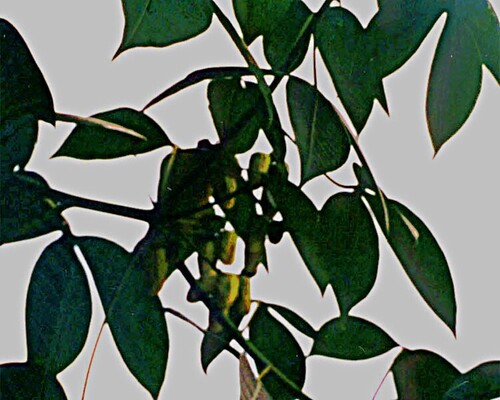
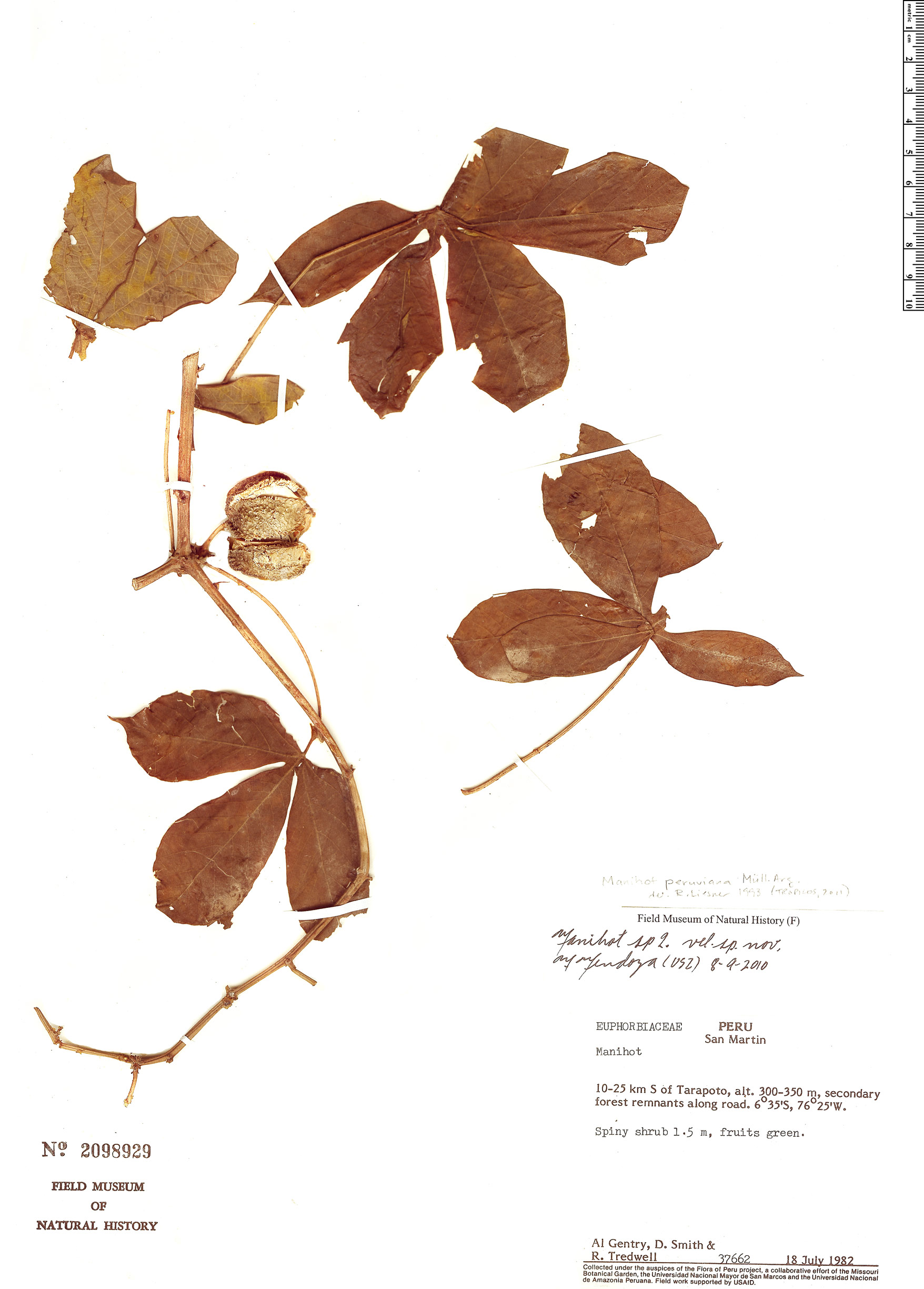
Aparisthmium cordatum
(A. Juss.) Baill.
Cordate aparisthmium
iNaturalist· cc-by-nc
(c) fmunoz, some rights reserved (CC BY-NC)
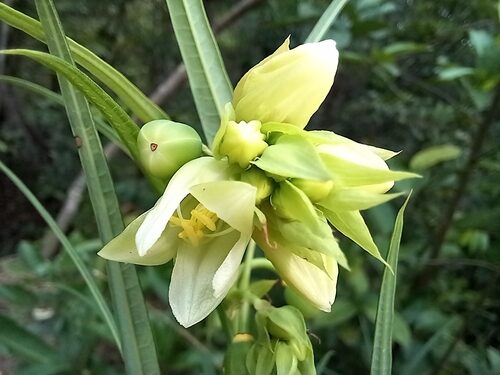
iNaturalist· cc-by-nc
(c) Robin Heymans, some rights reserved (CC BY-NC), uploaded by Robin Heymans
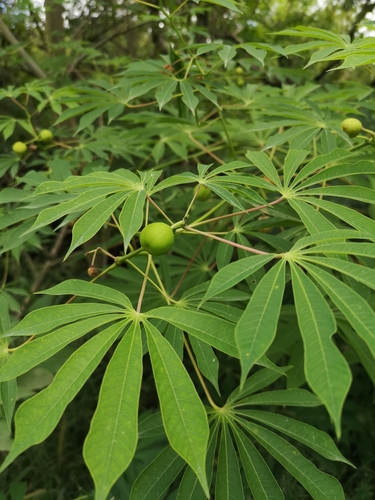
iNaturalist· cc-by-nc
(c) David Torres, some rights reserved (CC BY-NC), uploaded by David Torres
Description
A shrub or tree. It grows 3-15 m tall. The trunk can be crooked and 20-30 cm across. Plants are separately male and female. The leaves are large and oval. They are 12-24 cm long by 5-15 cm wide. The fruit capsules are small and dry and 7 mm long.
Medicinal Uses
The plant has traditional medicinal uses.
Distribution
It is a tropical plant. It grows in lowland forest.
Where It Grows
Amazon, Bolivia, Brazil, Central America, Colombia, Costa Rica, Ecuador, Guianas, Peru, Venezuela,
Cultivation
Succeeds in full sun to fairly deep, dappled shade. Prefers a well-drained soil. Established plants are drought tolerant. Young plants have a moderate rate of growth The bark is usually covered in lichens. A dioecious species, both male and female forms need to be grown if fruit and seed are required.
Propagation
Seed - best sown as soon as it is ripe in a partially shaded position in a nursery seedbed. A germination rate of less than 30% can be expected, with the seed sprouting within 55 - 75 days.
Other Uses
The heartwood is a dull brown; the thick band of sapwood is a pale pinkish brown with a light greyish or almost white tinge. It is uniformly fine to medium-textured; straight-or interwoven-grained; without taste, but with a spicy odour when fresh. The wood is of moderately light weight to rather heavy; strong; compact, resilient, with a low resistance to rot when exposed to the elements. It saws rather woolly, but takes a smooth finish with a moderate lustre; liable to check in drying. The soft, low quality wood is used for making huts, boxes etc. The wood is used for fuel and to make charcoal.
Notes
It has medicinal uses.
Synonyms
Also Known As
Datash, Gakameneke, Natash, Tekemenewe, Wawa
References (4)
- Ferns, Useful Tropical Plants
- Grandtner, M. M. & Chevrette, J., 2013, Dictionary of Trees, Volume 2: South America: Nomenclature, Taxonomy and Ecology. Academic Press p 41
- Roa, J. A. G. & Boada, D. S. G., 2018, Fundación para el Fortalecimiento de la Fruticultura y Plantas Alimenticias no Convencionales en Colombia.
- Torre, de la, L., et al, 2008, Enciclopedia de las Plantas Útiles del Ecuador. Herbario QCA. Pontificia Universidad Católica del Ecuador. p 320