Diospyros monbuttensis
Gurke
iNaturalist· pd
NMNH, no known copyright restrictions (public domain)
wikimedia· cc-by-sa
Wikimedia Commons - Chado07
Description
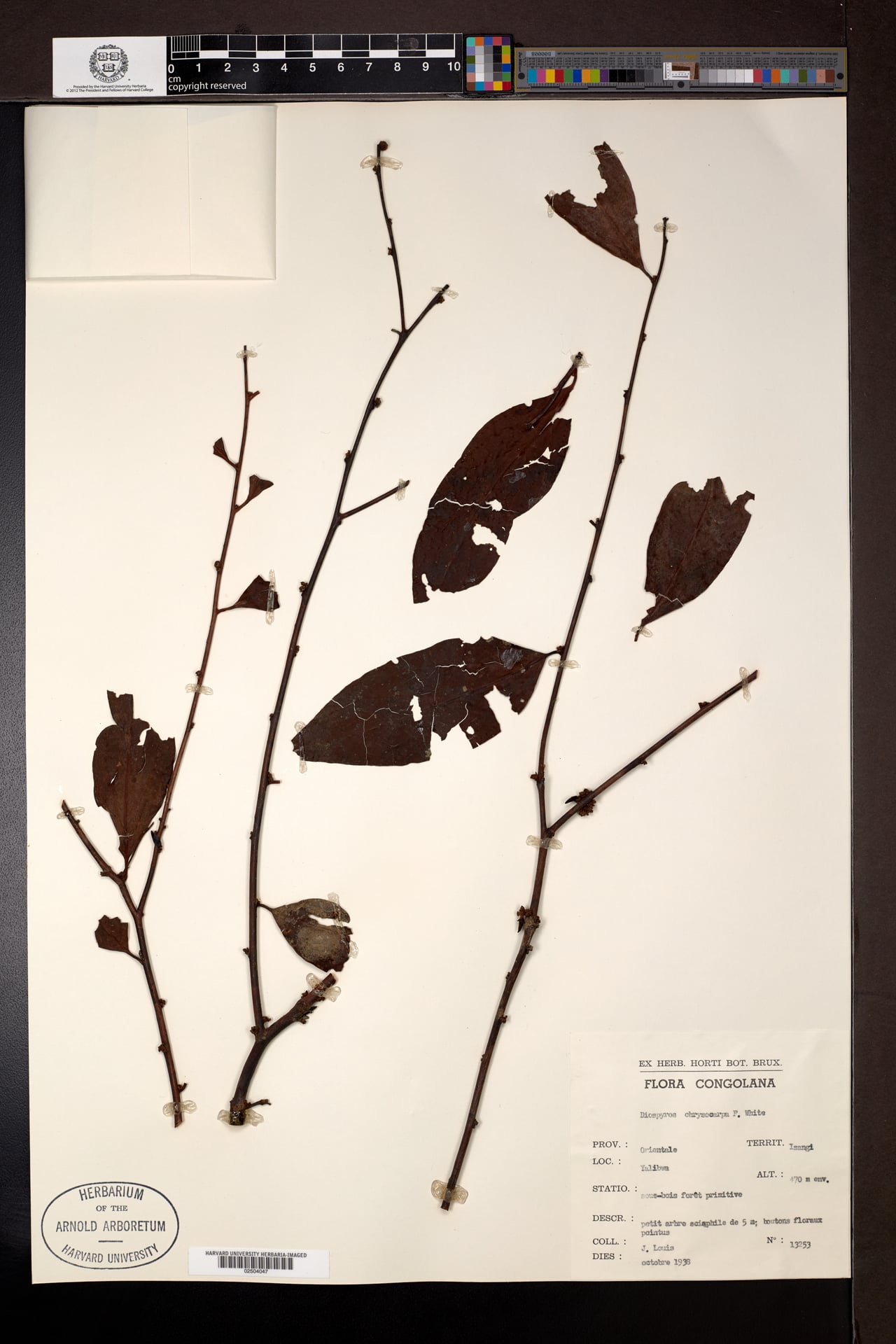
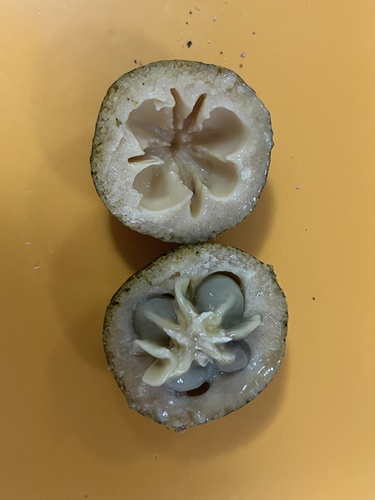
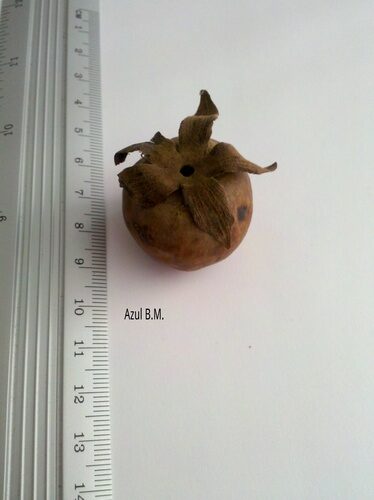
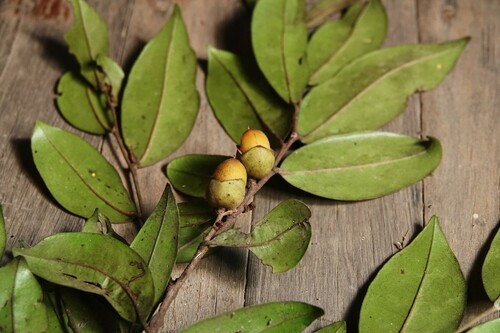
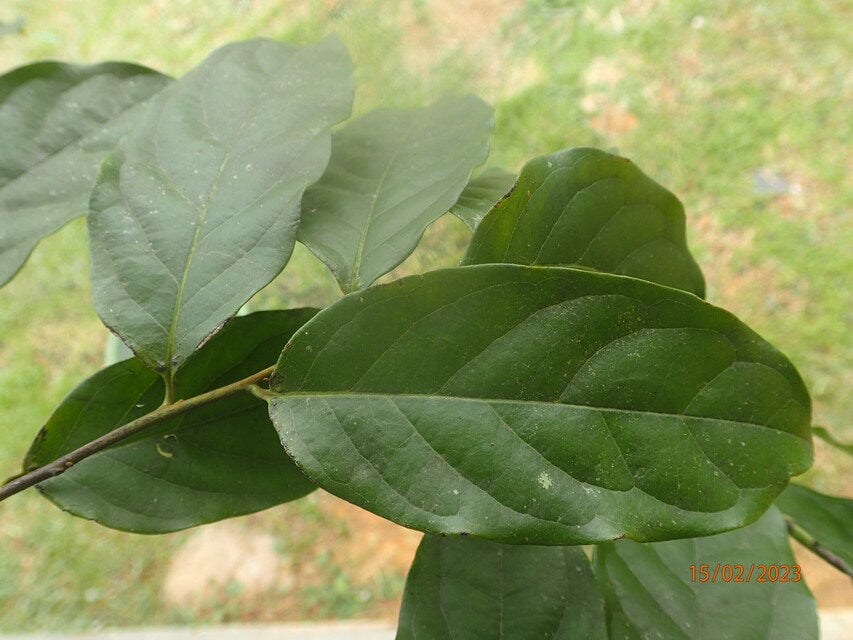
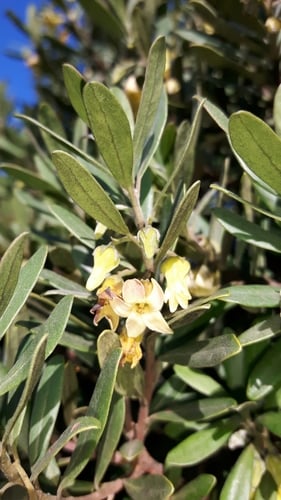
A tree. It grows 10 m tall. The branches have sharp pointed spines. The flowers are creamy white and have a scent. The ripe fruit are yellow or orange.
Edible Uses
The flower buds are eaten.
Medicinal Uses
A decoction of the bark and twigs, combined with the leaves of Senna occidentalis and Lippia adoensis, is taken in draught and put into baths as a treatment for leprosy. This is also considered to be good for treating fever-pains, stomach-ache and oedemas. The leaves are used treat chicken-pox. The branches, particularly on the younger plants, are armed with short thick spines. These are made into an infusion which is given, probably on the premise of sympathetic magic, to alleviate teething pains in children.
Distribution
It is a tropical plant.
Where It Grows
Africa, Benin, Cameroon, Central Africa, Congo DR, Côte d'Ivoire, Ghana, Ivory Coast, Nigeria, Togo, West Africa,
Cultivation
Plants can be grown from fresh seeds.
Propagation
Seed - it has a very short viability and so should be sown as soon as possible. The flesh should be removed since this contains germination inhibitors. Sow the seed in a shady position in a nursery seedbed. The sowing media for ebony uses soil and fine sand at the ratio 3:1. The seed is planted horizontally or vertically with the radicle end down, with a sowing depth of 1 - 1½ times the thickness of seed. Distance between the seeds is 3 - 5cm. Seeds are very sensitive to desiccation during germination and early growth, so must be regularly watered at this time. Normally the seed will germinate after one week. In one trial, fresh seed, sown one day after collection, showed 85% germination rate within 17 - 65 days. As a rule fresh seeds have a high percentage of fertility. The seedlings develop long taproots at an early stage, often before any appreciable elongation of the shoot takes place. The growth of the seedling is decidedly slow .
Other Uses
The sap-wood is white, turning slightly yellow on exposure, whilst the heart-wood is pale yellow. The wood is hard, dense and durable. It is used to make clubs, walking-sticks, tool-handles and scantlings. The branches are flexible and are used to make traps.
Also Known As
Okotcho
References (3)
- Boedecker, J., et al, 2014, Dietary contribution of Wild Edible Plants to women’s diets in the buffer zone around the Lama forest, Benin – an underutilized potential. Food Sec. 6:833–849
- JSTOR
- World Checklist of Useful Plant Species 2020. Royal Botanic Gardens, Kew