Viburnum farreri
Stearn
Fragrant Viburnum
iNaturalist· cc-by-sa
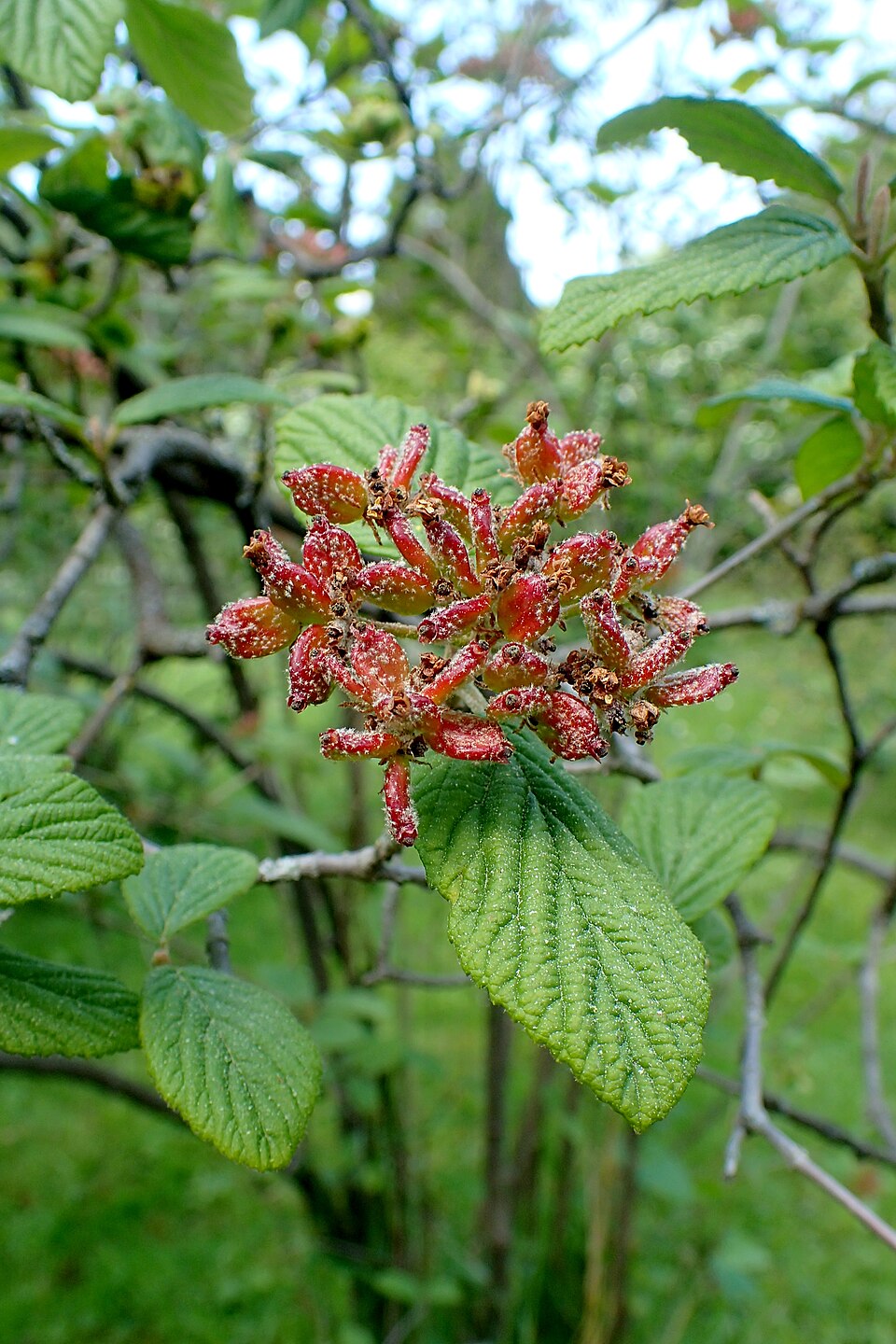
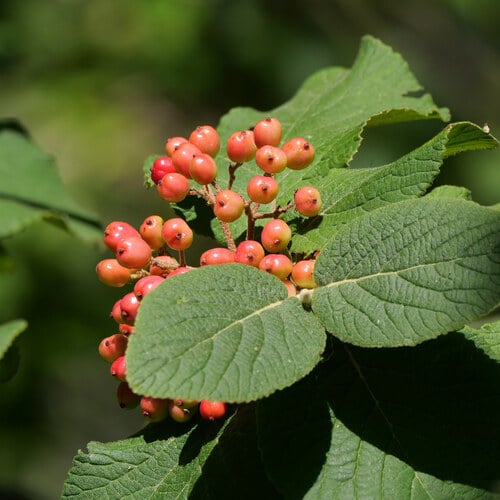
(c) Sten Porse, some rights reserved (CC BY-SA)
iNaturalist· cc-by-nc
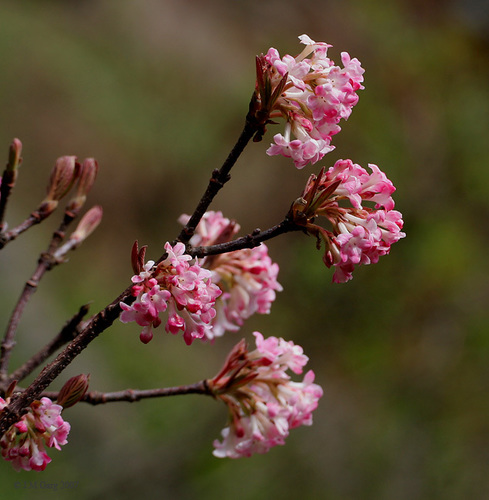
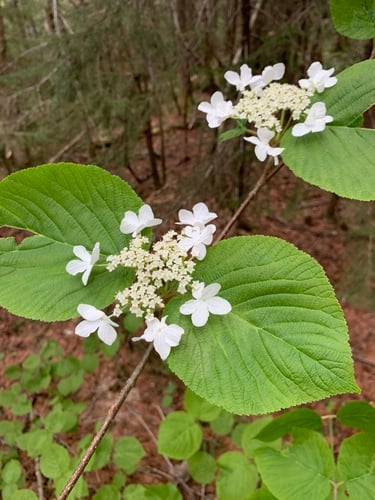
(c) buteoborealis, some rights reserved (CC BY-NC)
Summary
Source: WikipediaViburnum farreri (syn. V. fragrans) is a species of flowering plant in the family Adoxaceae (formerly Caprifoliaceae), native to northern China. Growing to 3 m (10 ft) tall by 2.5 m (8 ft) broad, it is an erect deciduous shrub with sweetly perfumed, pink-tinged white blooms in late autumn and early spring. Its dark green leaves are bronze when young, turning brilliant shades of red-purple in autumn. V. farreri grows in moist but well-drained soil in sun or partial shade. The Latin specific epithet farreri commemorates the English plant collector Reginald Farrer. This plant has gained the Royal Horticultural Society's Award of Garden Merit.
Description
A shrub. It grows 3 m high and spreads 2.4 m wide. It is upright and loses its leaves during the year. The flowers are in clusters at the ends of branches. The flowers are white and can have pink tinges and have a scent. The fruit are red berries. It flowers in winter. The fruit are edible but the stones inside are poisonous.
Edible Uses
The fruit can be eaten raw or cooked. It has a sweet flavour, though it is not freely borne in Britain.
Traditional Uses
The fruit are eaten fresh. CAUTION: The stone is poisonous.
This uses section is brief — help expand it
Medicinal Uses
None known
Distribution
It is a temperate plant. It grows naturally in the mountain regions of western China. It can tolerate low temperatures. It suits hardiness zones 6-9. Arboretum Tasmania.
Where It Grows
Asia, Australia, Britain, China*, Europe, Himalayas, North America, Tasmania, USA,
Cultivation
An easily grown plant, it succeeds in most soils but is ill-adapted for poor soils and for dry situations. It prefers a deep rich loamy soil in full sun or in semi-shade. Best if given shade from the early morning sun in spring. Requires shelter from N. and E. winds. Plants are hardy to about -20°c. A very ornamental plant, it flowers in the winter and the flowers are said to withstand temperatures down to -12°c without damage. The flowers diffuse a sweet and cloying perfume of heliotrope. The fruit, however, is not often produced in this country. This may be due to the plant being self-incompatible and so growing 2 or more different cultivars together may improve fruit set. Hand pollination may also be beneficial as well as siting the plants so that they get the maximum of protection from severe winter weather. A west-facing wall or woodland edge would be ideal for this. The plants flower on terminal and lateral clusters of the current years growth, any pruning is best carried out in the spring. This species has long been known as V. fragrans, but this name is invalid. It is closely related to V. grandiflorum.
Propagation
Seed is best sown in a cold frame as soon as it is ripe. Germination can be slow, sometimes taking more than 18 months. Seed harvested green — fully developed but not yet fully ripe — and sown immediately in a cold frame should germinate the following spring. Stored seed needs 2 months of warm stratification followed by 3 months of cold stratification, and may still take 18 months to germinate. Prick seedlings into individual pots when large enough to handle and grow on in a cold frame or greenhouse, planting out in late spring or early summer the following year. Softwood cuttings taken in early summer in a frame should be potted individually once rooting begins and planted out the following late spring or early summer. Half-ripe cuttings, 5–8cm long with a heel if possible, taken in July or August in a frame, should be potted as soon as they root. These can be difficult to overwinter and are best kept under glass until spring before planting out. Mature wood cuttings taken in winter in a frame should root in early spring; pot when large enough and plant out in summer if sufficient new growth has formed, otherwise overwinter in a frame and plant out the following spring. Layering of the current season's growth in July or August takes 15 months.
Other Uses
None known Special Uses Scented Plants
Notes
There are about 150 Viburnum species. Also put in the family Caprifoliaceae.
Synonyms
Also Known As
Xiang Jiami
References (6)
- Cundall, P., (ed.), 2004, Gardening Australia: flora: the gardener's bible. ABC Books. p 1466
- Lord, E.E., & Willis, J.H., 1999, Shrubs and Trees for Australian gardens. Lothian. p 269
- Plants for a Future database, The Field, Penpol, Lostwithiel, Cornwall, PL22 0NG, UK. http://www.scs.leeds.ac.uk/pfaf/
- Ryan, S., 2008, Dicksonia. Rare Plants Manual. Hyland House. p 60
- Taxon 15:22.1966
Show all 6 references Hide references
- Valder, P., 1999, The Garden Plants of China. Florilegium. p 339