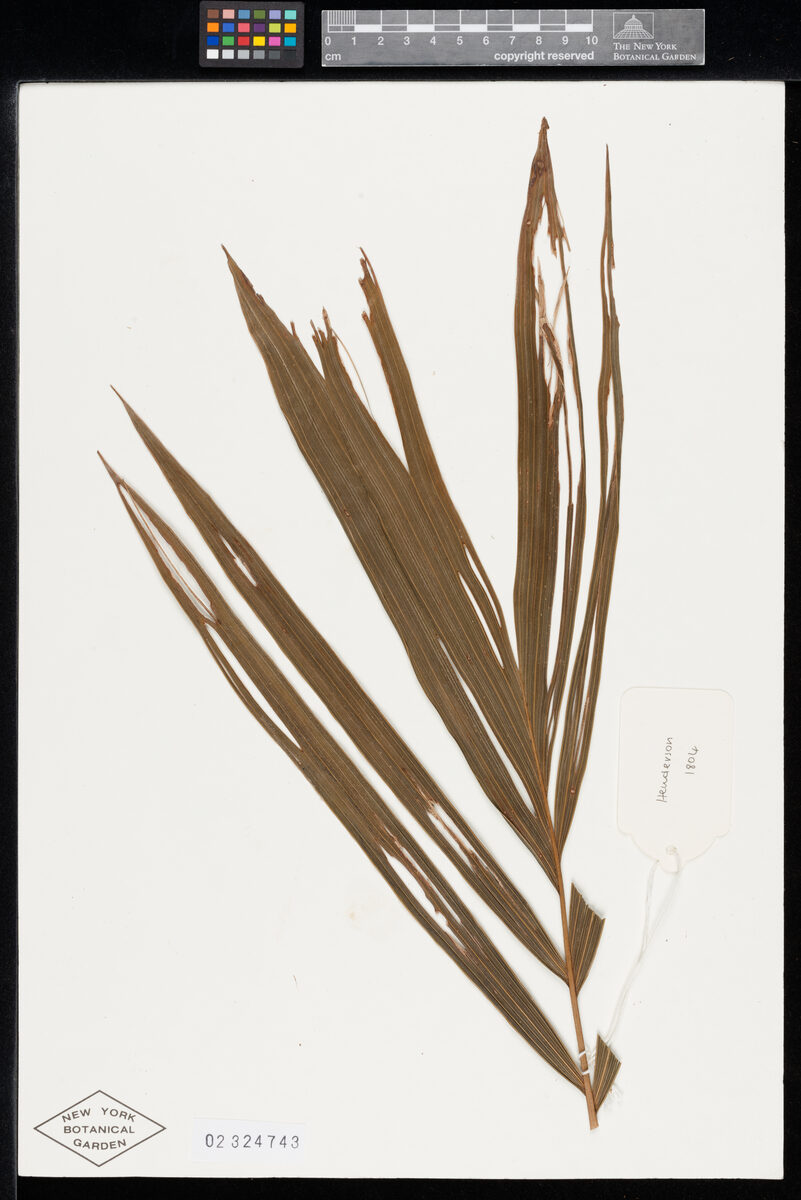
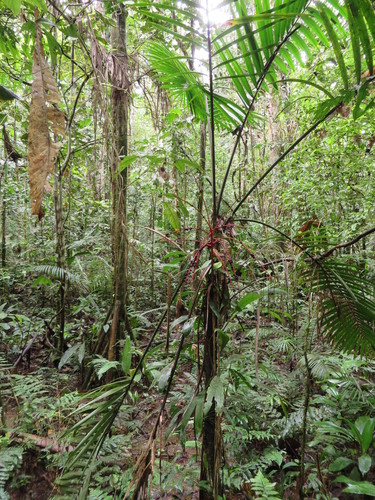
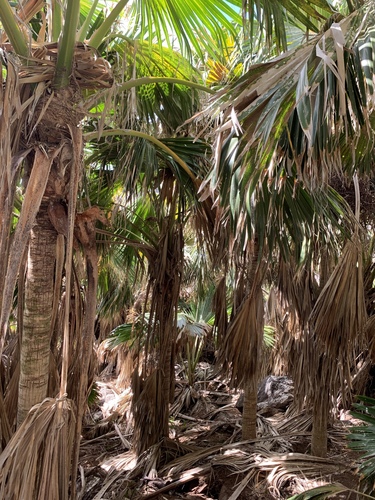
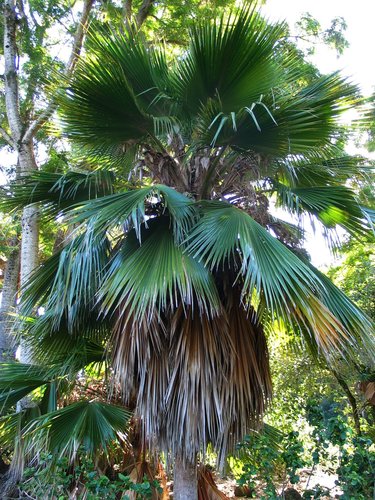
Butia matogrossensis
Noblick & Lorenzi
iNaturalist· cc-by-nc
(c) helimanoel, some rights reserved (CC BY-NC)
iNaturalist· cc-by-nc
(c) helimanoel, some rights reserved (CC BY-NC)
iNaturalist· cc-by-nc
(c) helimanoel, some rights reserved (CC BY-NC)
Summary
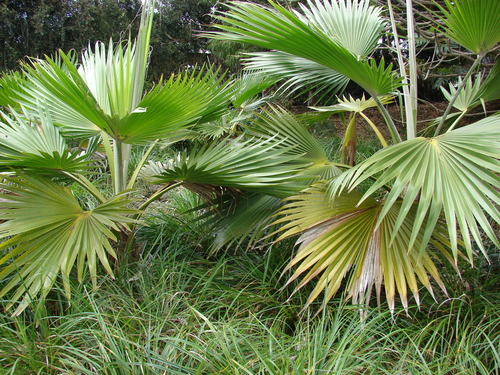
Source: WikipediaButia matogrossensis is a small species of Butia palm with a trunk of only 0.5 m (20 in) in height or often subterranean, native to the cerrados of the centre, central-east, northeast and likely north of the state of Mato Grosso do Sul, after which it is named, in south-central Brazil. It also occurs in neighbouring south-central Goiás to the north. It is endemic to Brazil, occurring only in this country.
Description
A tropical palm in the family Arecaceae.
This description is brief — help expand it
Edible Uses
The fruit is potentially edible.
Distribution
It is a tropical plant.
Where It Grows
Brazil, South America,
Also Known As
Butiazinho-azedo
References (1)
- Bortolotto, I. M., et al, 2018, Lista preliminar das plantas alimenticias nativas de Mato Grosso do Sul, Brasil. Iheringia, Serie Botanica, Porto Alegre, 73 (supl.):101-116