Synechanthus warsczewiczianus
H. Wendl.
Arecaceae Edible: Fruit
No photos yet for Synechanthus warsczewiczianus
Sign in to contribute a photoDescription
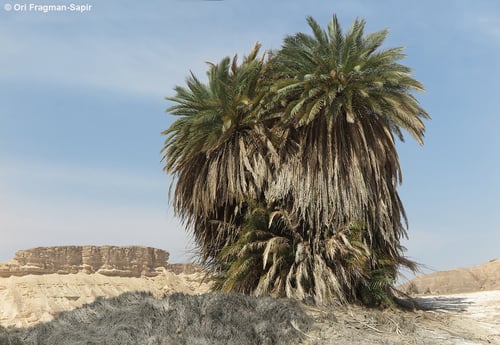
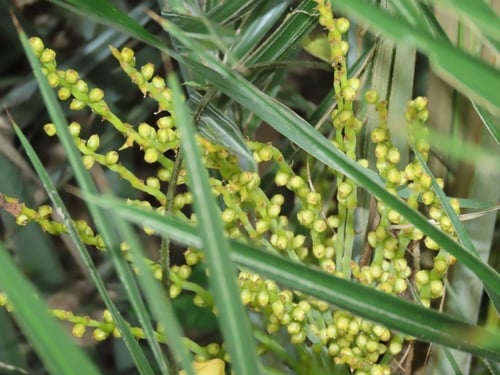
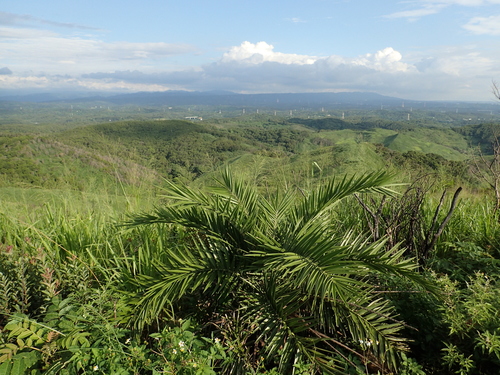
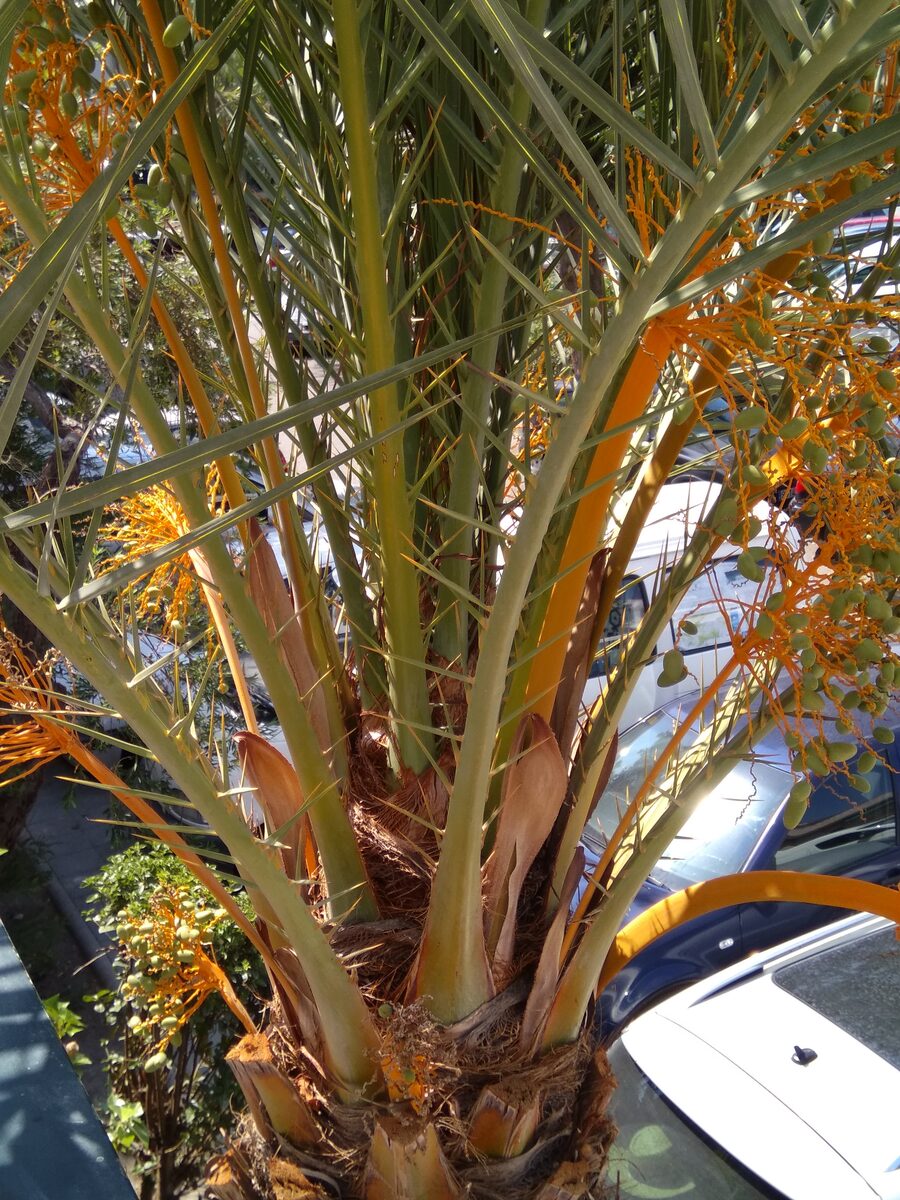
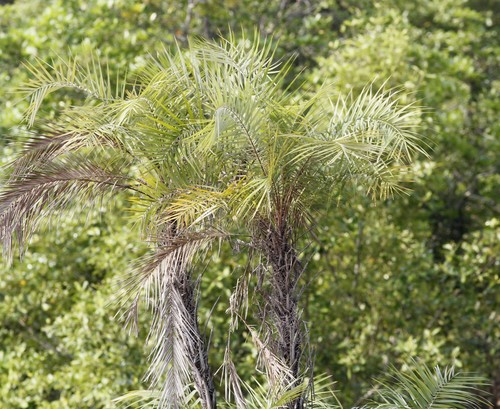
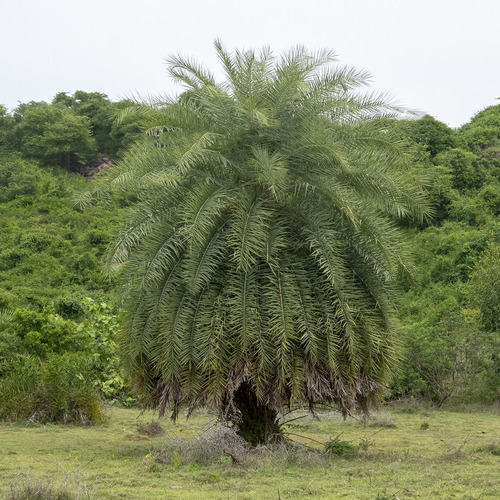
A palm. It grows up to 5 m tall. The trunk is 2-7 cm across. The leaves are 70-120 cm long. The fruit are 1.2-2.7 cm long and oval. They are orange to red.
Edible Uses
The fruit is boiled before consumption.
Traditional Uses
It is boiled.
This uses section is brief — help expand it
Distribution
It is a tropical plant. It grows above 800 m above sea level.
Where It Grows
Central America, Colombia, Costa Rica, Ecuador, Nicaragua, Panama, South America,
Synonyms
Nunnezharria warscewicziana KuntzeReineckia triandra H. Karst.Synechanthus angustifolius H. Wendl.Synechanthus ecuadorensis BurretSynechanthus panamensis H.E. Moore
Also Known As
Bora negra, Bu-chui kanu chi, Chontaduro-tunda, Chontilla crespilla, Guaguarin, Jincha, Palmichillo, Palmilla, Tehel-chero, Wa tsetsero, Zazero
References (8)
- Barfod, A. S. & Kvist, L. P., 1996, Comparative Ethnobotanical Studies of the Amerindian Groups in Coastal Ecuador. The Danish Academy of Sciences and Letters. p 77
- Grandtner, M. M. & Chevrette, J., 2013, Dictionary of Trees, Volume 2: South America: Nomenclature, Taxonomy and Ecology. Academic Press p 535
- Grandtner, M. M. & Chevrette, J., 2013, Dictionary of Trees, Volume 2: South America: Nomenclature, Taxonomy and Ecology. Academic Press p 646
- Grayum, M. H., 2000, MBG: Research: Manual de Plantas de Costa Rica: Draft Treatments p 31
- Marcia, M. J., et al, 2011, Palm Uses in Northwestern South America: A Quantitative Review. Bot. Rev. (2011) 77:462-570
Show all 8 references Hide references
- Roa, J. A. G. & Boada, D. S. G., 2018, Fundación para el Fortalecimiento de la Fruticultura y Plantas Alimenticias no Convencionales en Colombia.
- Torre, de la L., et al, 2008, Enciclopedia de las Plantas Útiles del Ecuador. Herbario QCA. Pontificia Universidad Católica del Ecuador. p 209
- World Checklist of Useful Plant Species 2020. Royal Botanic Gardens, Kew