Syagrus vagans
(Bondar) A.D. Hawk.
Ariri
iNaturalist· cc-by-nc
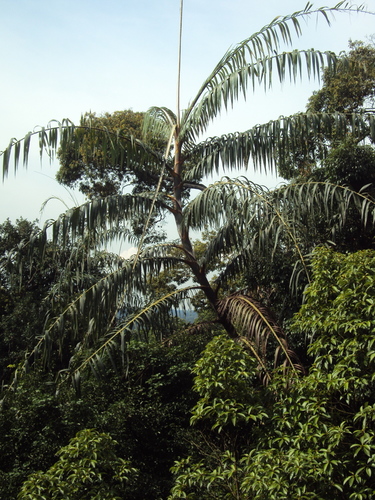
(c) Geovane Siqueira, some rights reserved (CC BY-NC), uploaded by Geovane Siqueira
iNaturalist· cc-by-nc
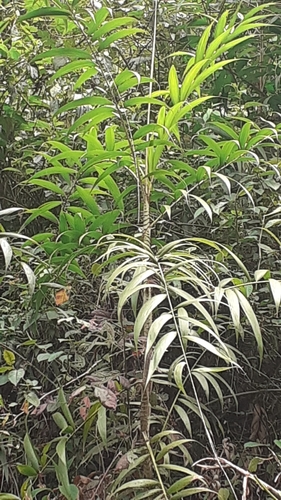
(c) Geovane Siqueira, some rights reserved (CC BY-NC)
Description
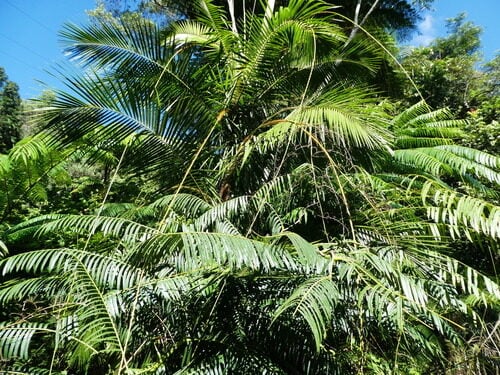
It is a shrubby palm with underground stems forming clumps. It is 1.2-2.2 m tall. There are 10-30 leaves and these have leaflets along the stalk. The leaves stick upwards and there are 10-30 leaflets. The flowering stalks come from within the leaves. The juicy pulp of the fruit separate from the hard seed.
Edible Uses
Fruit - raw. A fibrous, succulent flesh with a sweet, pleasant flavour. The fruit is up to 35mm long by 25mm wide.
Traditional Uses
The flesh of the fruit is eaten fresh.
This uses section is brief — help expand it
Distribution
It is a tropical plant. It grows in the arid scrubland in Brazil at altitudes above 250 m.
Where It Grows
Brazil, South America,
Cultivation
Plants can be grown from seed and from root cuttings.
Propagation
Seed - Cuttings of the rhizomes.
Other Uses
The leaves are used for thatching and for weaving hats.
Synonyms
Also Known As
Licrui-roba-das-caatingas, Licurioba, Licuriroba, Pindoba
References (2)
- Kermath, B. M., et al, 2014, Food Plants in the Americas: A survey of the domesticated, cultivated and wild plants used for Human food in North, Central and South America and the Caribbean. On line draft. p 844
- Lorenzi, H., Bacher, L., Lacerda, M. & Sartori, S., 2006, Brazilian Fruits & Cultivated Exotics. Sao Paulo, Instituto Plantarum de Estuados da Flora Ltda. p 97