Iris reticulata
M. Bieb.
Dwarf iris, Netted iris
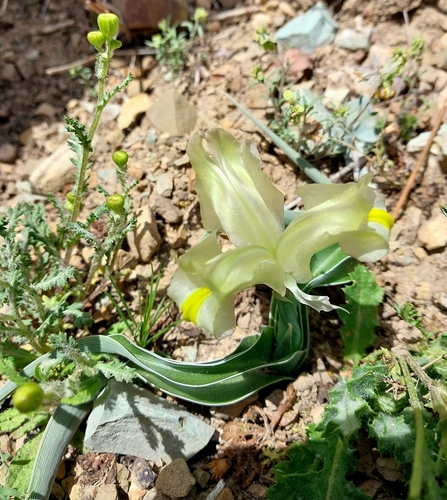
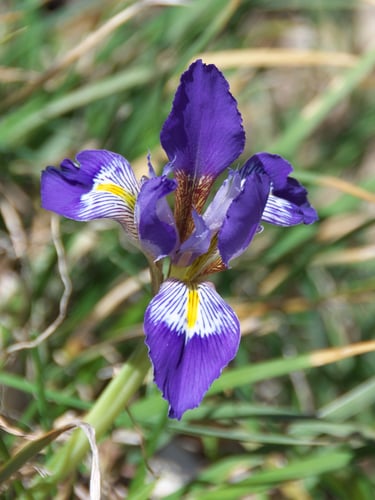
iNaturalist· cc-by-nc
(c) Lotus Johnson, some rights reserved (CC BY-NC)
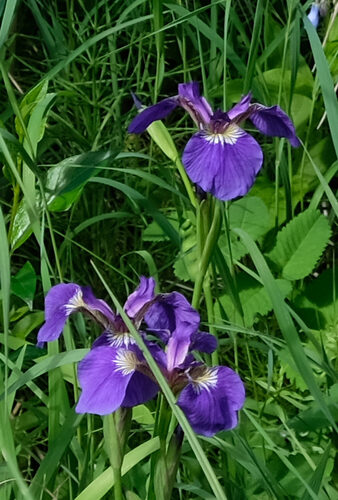
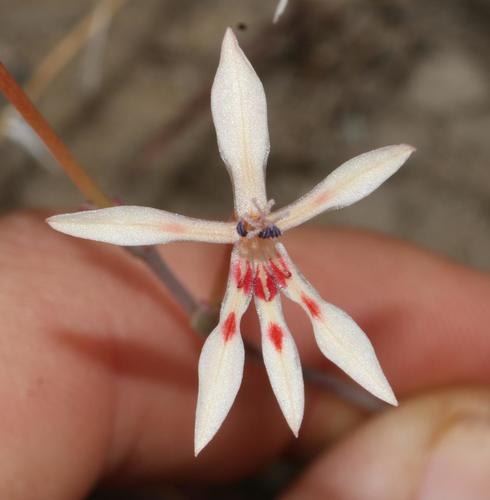
iNaturalist· cc-by-nc
(c) Jakob Fahr, some rights reserved (CC BY-NC), uploaded by Jakob Fahr
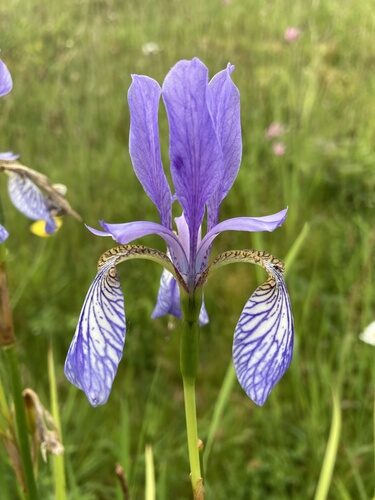
iNaturalist· cc-by-nc
(c) Jakob Fahr, some rights reserved (CC BY-NC), uploaded by Jakob Fahr
Summary
Source: WikipediaIris reticulata, the snow iris, netted iris, or golden netted iris, is a species of flowering plant in the family Iridaceae.
Description
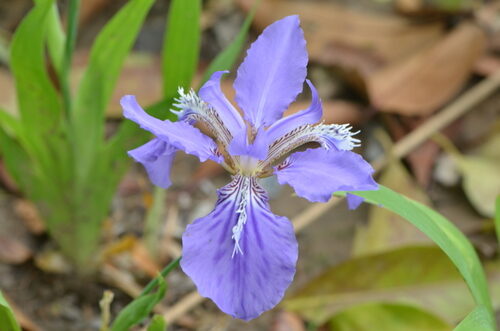
A bulb plant. It grows 10 cm tall. The leaves are grass like. The flowers are blue with yellow marks.
This description is brief — help expand it
Edible Uses
The leaves are eaten fresh, and the flower tepals are eaten raw as a snack.
Traditional Uses
The leaves are eaten fresh. The flower tepals are eaten raw as a snack.
This uses section is brief — help expand it
Known Hazards
Like many other irises, most parts of the plant are poisonous (rhizome and leaves), if mistakenly ingested can cause stomach pains and vomiting. Also handling the plant may cause a skin irritation or an allergic reaction.
Distribution
It is a temperate plant.
Where It Grows
Europe, Iran, Slovenia, Turkey, Türkiye,
Synonyms
Also Known As
Birbizek, Gul sosin, Gulilka nevruze, Kara korpeze, Kilozik, Kuelbiza, Mrežasta perunika
References (5)
- Demir, I. & Ayaz, N., 2022, Wild edible plants contributing to the traditional foods of Mardin (Turkey) Province. Indian Journal of Traditional Knowledge Vol 21(3), July 2022, pp 569-582
- Ertug, F, Yenen Bitkiler. Resimli Türkiye Florası -I- Flora of Turkey - Ethnobotany supplement
- http://www.botanic-gardens-ljubljana.com/en/plants
- Polat, R., et al, 2017, Survey of wild food plants for human consumption in Bingol, (Turkey). Indian Journal of Traditional Knowledge. Vol. 16(3) July 2017, pp. 378-384
- Yesil, Y., et al, 2019, Wild edible plants in Yeşilli (Mardin-Turkey), a multicultural area. Journal of Ethnobiology and Ethnomedicine (2019) 15:52