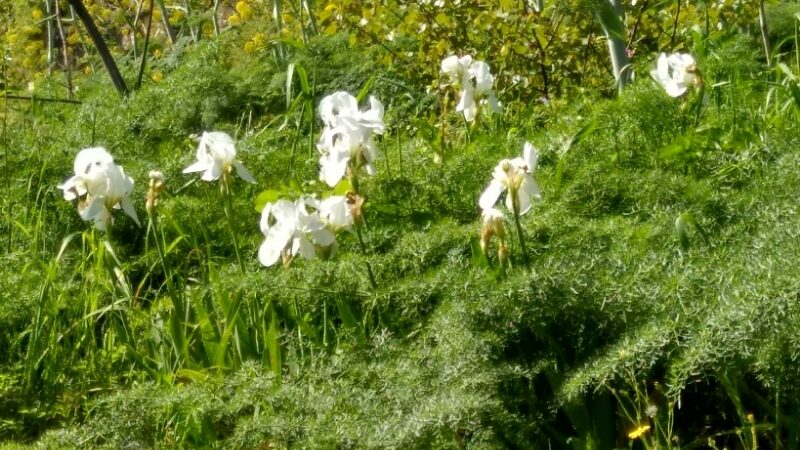
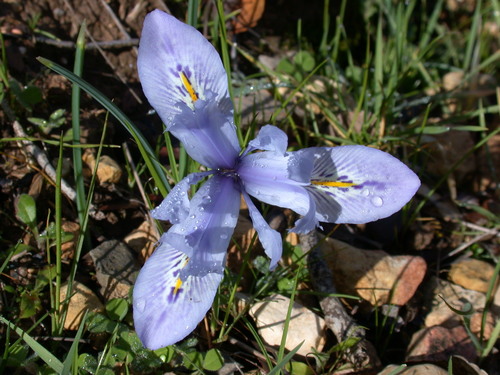
Iris japonica
Thunb.
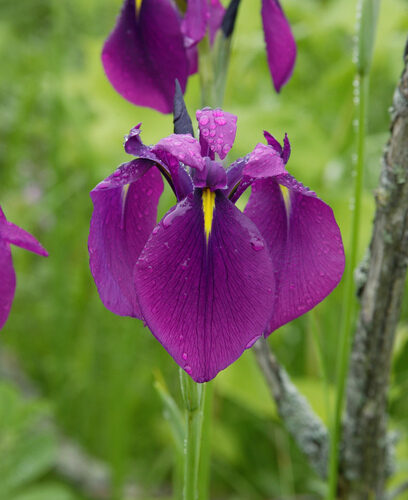
iNaturalist· cc-by-nc-sa
(c) Marz88, some rights reserved (CC BY-NC-SA)
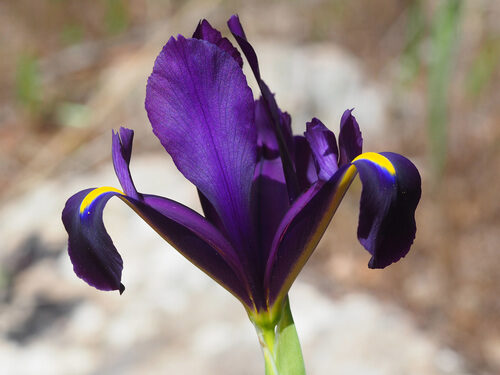
iNaturalist· cc-by-nc
(c) Huang Wen, some rights reserved (CC BY-NC), uploaded by Huang Wen
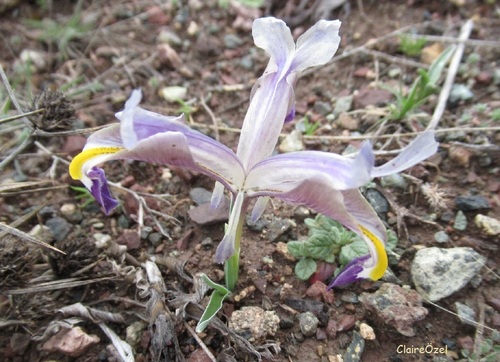
iNaturalist· cc-by-nc
(c) 104623964081378888743, some rights reserved (CC BY-NC), uploaded by 104623964081378888743
Description
Iris japonica is an evergreen Perennial growing to 0.6 m (2ft) by 1 m (3ft 3in). It is in leaf all year, in flower in April, and the seeds ripen from July to August. The species is hermaphrodite (has both male and female organs) and is pollinated by Insects. The plant is self-fertile. Suitable for: light (sandy) and medium (loamy) soils and prefers well-drained soil. Suitable pH: mildly acid, neutral and basic (mildly alkaline) soils. It can grow in semi-shade (light woodland) or no shade. It prefers dry or moist soil and can tolerate drought.
Edible Uses
Root - the source of an edible starch. Some caution is advised, see the notes above on toxicity.
Medicinal Uses
Miscellany. The rhizome is used in the treatment of injuries. A decoction of the plant is used in the treatment of bronchitis, internal injuries, rheumatism and swellings.
Known Hazards
Many plants in this genus are thought to be poisonous if ingested, so caution is advised. The roots are especially likely to be toxic. Plants can cause skin irritations and allergies in some people.
Distribution
E. Asia - China, Japan.
Where It Grows
TEMPERATE ASIA: China (Anhui Sheng, Fujian Sheng, Gansu Sheng, Guangdong Sheng, Guangxi Zhuangzu Zizhiqu, Guizhou Sheng, Hainan Sheng, Hubei Sheng, Hunan Sheng, Jiangsu Sheng, Jiangxi Sheng, Qinghai Sheng, Shaanxi Sheng, Shanxi Sheng, Sichuan Sheng, Xizang Zizhiqu, Yunnan Sheng, Zhejiang Sheng), Japan TROPICAL ASIA: Myanmar
Cultivation
Prefers a gritty well-drained soil with plenty of moisture in summer and shelter from early morning sun. Prefers a lime-free soil but succeeds in most good soils. Succeeds in full sun or partial shade, but plants flower better in a hot sunny position. Established plants are drought tolerant. Cultivated for its edible root in Japan. A number of named varieties have been selected for their ornamental value. It is best to lift the plant in October, store in sand in a cool frost-free place over winter and plant out in March. Plants have creeping aerial rhizomes that root at intervals. The flowers are susceptible to damage by late frosts, the plants failing to flower after an exceptionally cold winter. Members of this genus are rarely if ever troubled by browsing deer or rabbits.
Propagation
Seed - best sown as soon as it is ripe in a cold frame. Stored seed should be sown as early in the year as possible in a cold frame. Prick out the seedlings into individual pots when they are large enough to handle and grow them on in the greenhouse or cold frame for their first year. Plant out into their permanent positions in late spring or early summer. Division, best done after flowering in July/August. Very easy, larger clumps can be replanted direct into their permanent positions, though it is best to pot up smaller clumps and grow them on in a cold frame until they are rooting well. Plant them out in the spring.
Other Uses
Miscellany. Plants can be grown for ground cover when planted about 45cm apart each way.