Salvia napifolia
Jacq.
iNaturalist· cc-by-nc
(c) Mehmet Çelik, some rights reserved (CC BY-NC), uploaded by Mehmet Çelik
iNaturalist· cc-by-nc
(c) Mehmet Çelik, some rights reserved (CC BY-NC), uploaded by Mehmet Çelik
Summary
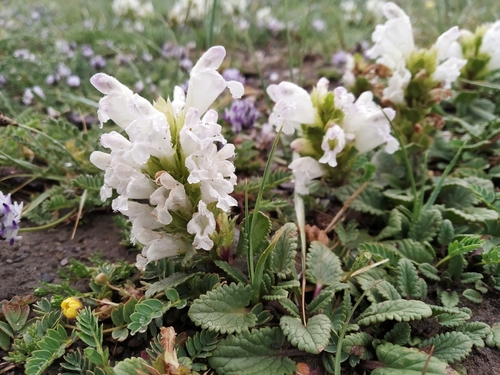
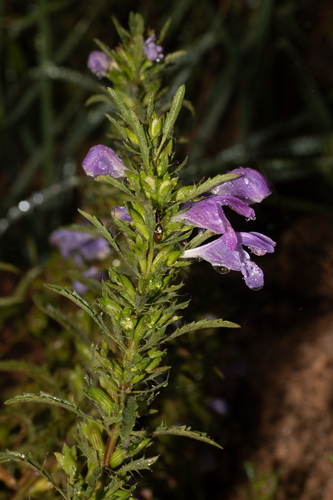
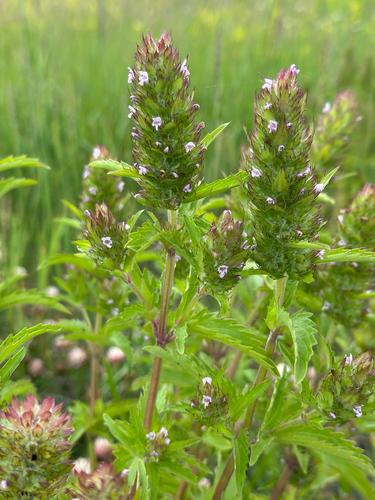
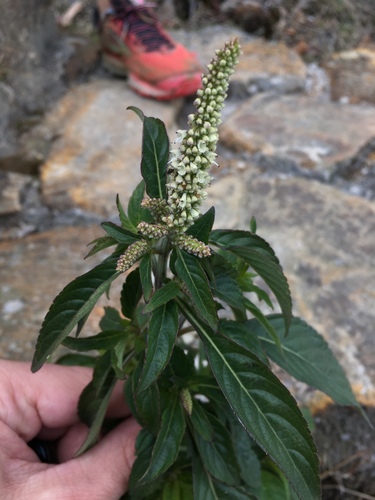
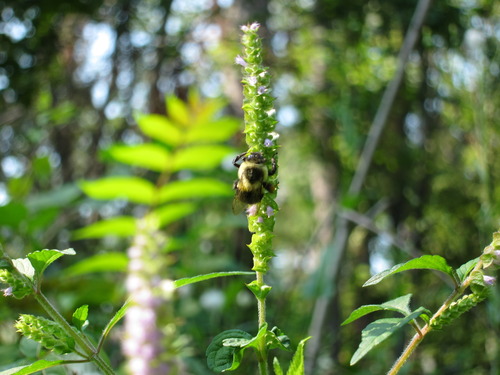
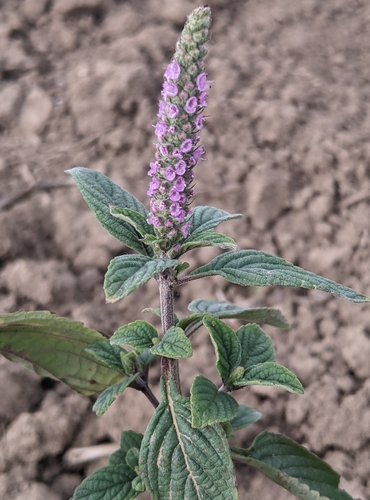
Source: WikipediaSalvia napifolia is a herbaceous perennial native to Turkey and islands off its west coast, growing at elevations between sea level and 3,000 feet. Its natural habitat is maquis shrubland, rocky slopes, and disturbed roadsides. It was described by Nikolaus Joseph von Jacquin in 1773, with the specific epithet napifolia referring to the leaves being shaped like a turnip. Salvia napifolia is small and clumping, with many upright stems, and soft leaves lightly covered with hairs. Widely spaced and dense whorls of flowers grow on 1 foot inflorescences, with several inflorescences coming into bloom at the same time. The tiny flowers are pale lavender to purplish violet, with equal length calyx and corolla, measuring about .5 inch in total length.
Description
A herb in the mint family (Lamiaceae) found in temperate regions.
This description is brief — help expand it
Edible Uses
The leaves are brewed into tea.
Distribution
It is a temperate plant.
Where It Grows
Turkey, Türkiye,
Synonyms
Also Known As
Cay otu
References (1)
- Özdemir, E. and Kültür, S., 2017, Wild Edible Plants of Savaştepe District (Balıkesir, Turkey), Marmara Pharm J 21/3: 578-589