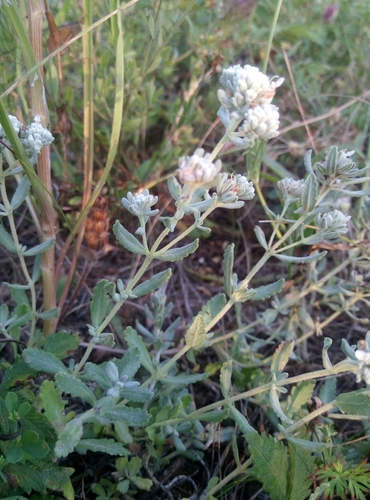
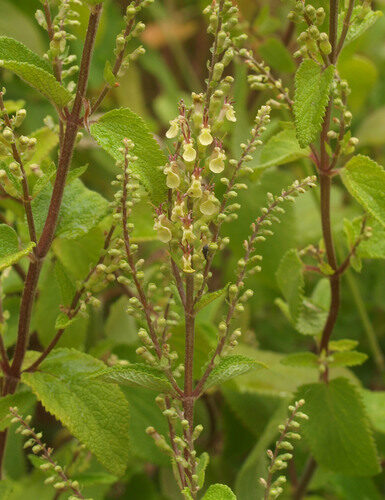
Dracocephalum moldavica
L.
Moldavian balm
iNaturalist· cc-by-nc
(c) Russell Barrett, some rights reserved (CC BY-NC)
iNaturalist· cc-by-nc
(c) Russell Barrett, some rights reserved (CC BY-NC)
iNaturalist· cc-by-nc
(c) Russell Barrett, some rights reserved (CC BY-NC)
Summary
Source: WikipediaDracocephalum moldavica, the Moldavian dragonhead, is an annual herbaceous plant. The first formal botanical description of D. moldavica was by Linnaeus in Species Plantarum 2:595. 1753.
Description
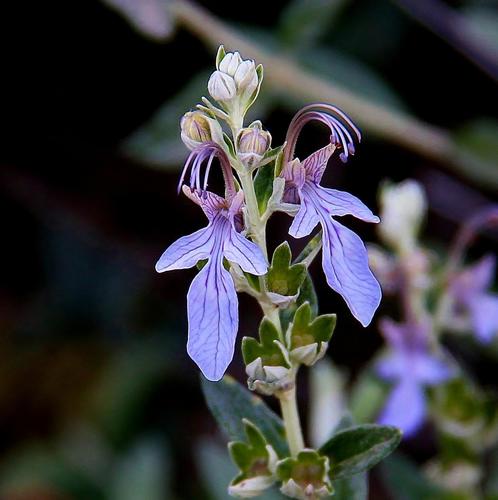
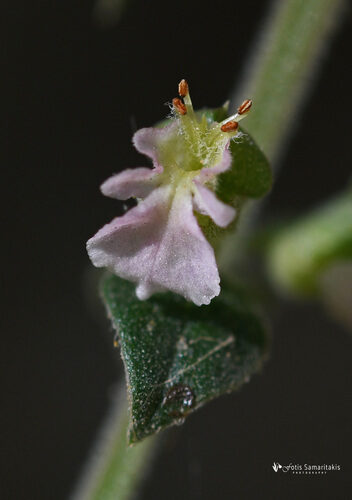
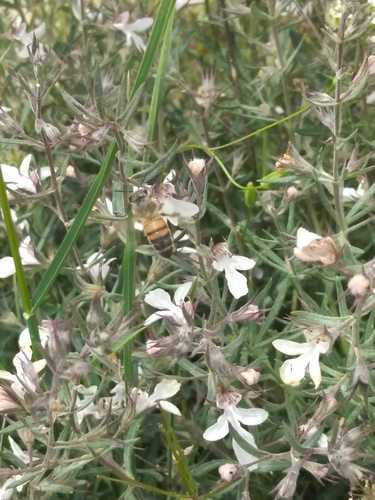
An annual herb. It has many branches. It grows 15-25 cm high. The leaves are sword shaped and have teeth along the edge. They are 1-4 cm long by 1 cm wide. The flowers are white or violet and in rings.
Edible Uses
The lemon-scented leaves are used to make a tea. Young shoots are also eaten, though no further details are given.
Traditional Uses
Young shoots are edible. The leaves can be used for tea. They have a lemon scent.
This uses section is brief — help expand it
Medicinal Uses
The seeds are astringent, carminative, and tonic, and are used as a demulcent in the treatment of fevers. The plant as a whole is astringent, tonic, and vulnerary.
Distribution
It is a temperate plant. In north China it grows on dry hills and river banks between 200-2,700 m above sea level. It suits plant hardiness zone 7.
Where It Grows
Afghanistan, Alps, Asia, Central Asia, China, Europe, India, Iran, Middle East, Moldavia, Mongolia, Pakistan, Russia, Siberia, Slovenia, Tajikistan, Turkmenistan,
Cultivation
Succeeds in a sunny position in a fertile well-drained soil. The plant is sometimes cultivated for its essential oil. The plant is very fragrant, with both the leaves and the flowers emitting a most refreshing scent of lemons. The flowers remain fragrant and fresh for several weeks. It is a useful plant for filling gaps in the summer border.
Propagation
Sow seed in early spring directly in situ. Pinch back shoot tips in May to encourage bushy growth.
Other Uses
The plant contains an essential oil that is a possible source of citral.
Notes
There are about 45 Dracocephalum species.
Synonyms
Also Known As
Kololo, Moldavian dragon's head, Moldavski zmajeglavec, Tukhme-ferunjmishk
References (9)
- Ambasta, S.P. (Ed.), 2000, The Useful Plants of India. CSIR India. p 183
- Facciola, S., 1998, Cornucopia 2: a Source Book of Edible Plants. Kampong Publications, p 126
- Flora of Pakistan. www.eFloras.org
- Lawton, B.P., 2002, Mints. A Family of Herbs and Ornamentals. Timber Press, Portland, Oregon. p 126
- Plants for a Future database, The Field, Penpol, Lostwithiel, Cornwall, PL22 0NG, UK. http://www.scs.leeds.ac.uk/pfaf/
Show all 9 references Hide references
- Reis, S. V. and Lipp, F. L., 1982, New Plant Sources for Drugs and Foods from the New York Botanical Garden herbarium. Harvard. p 256
- Seidemann J., 2005, World Spice Plants. Economic Usage, Botany, Taxonomy. Springer. p 139
- Sp. pl. 2:595. 1753
- Urgamal, M., Oyuntsetseg, B., Nyambayar, D. & Dulamsuren, Ch. 2014. Conspectus of the vascular plants of Mongolia. (Editors: Sanchir, Ch. & Jamsran, Ts.). Ulaanbaatar, Mongolia. “Admon“ Press. 334pp. (p. 79-90).