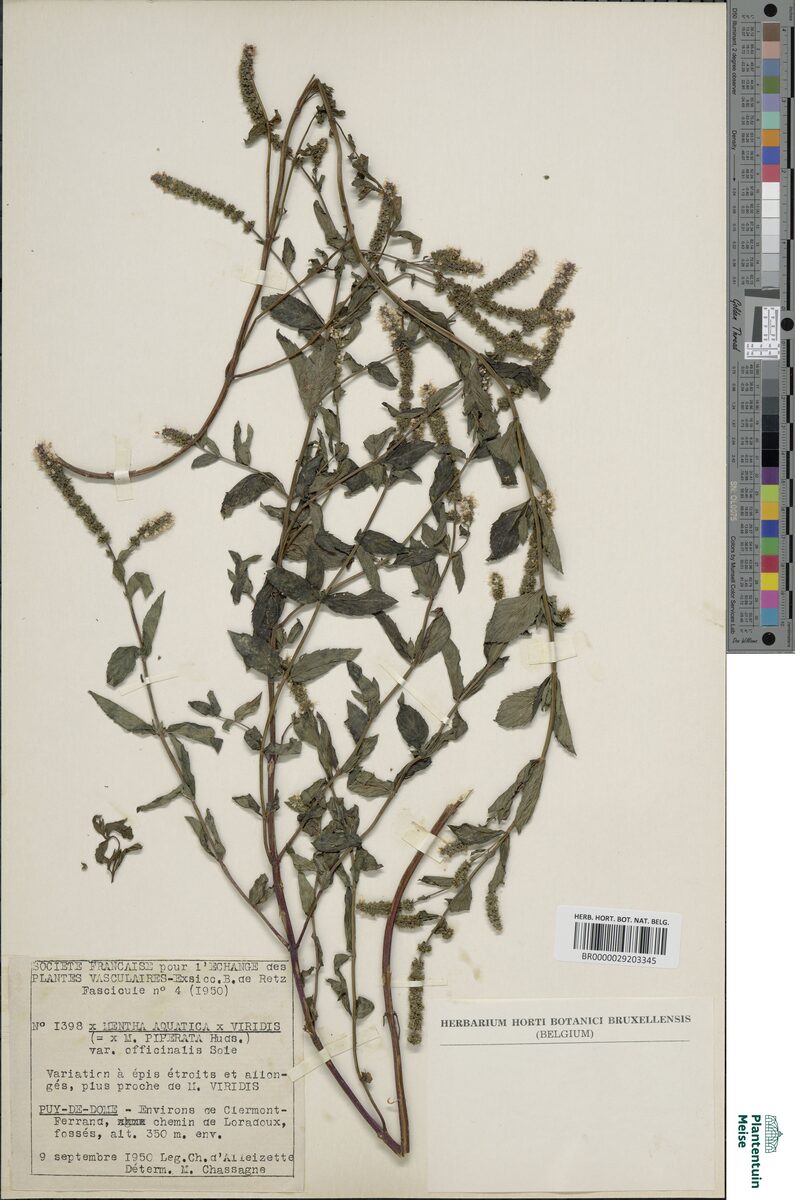
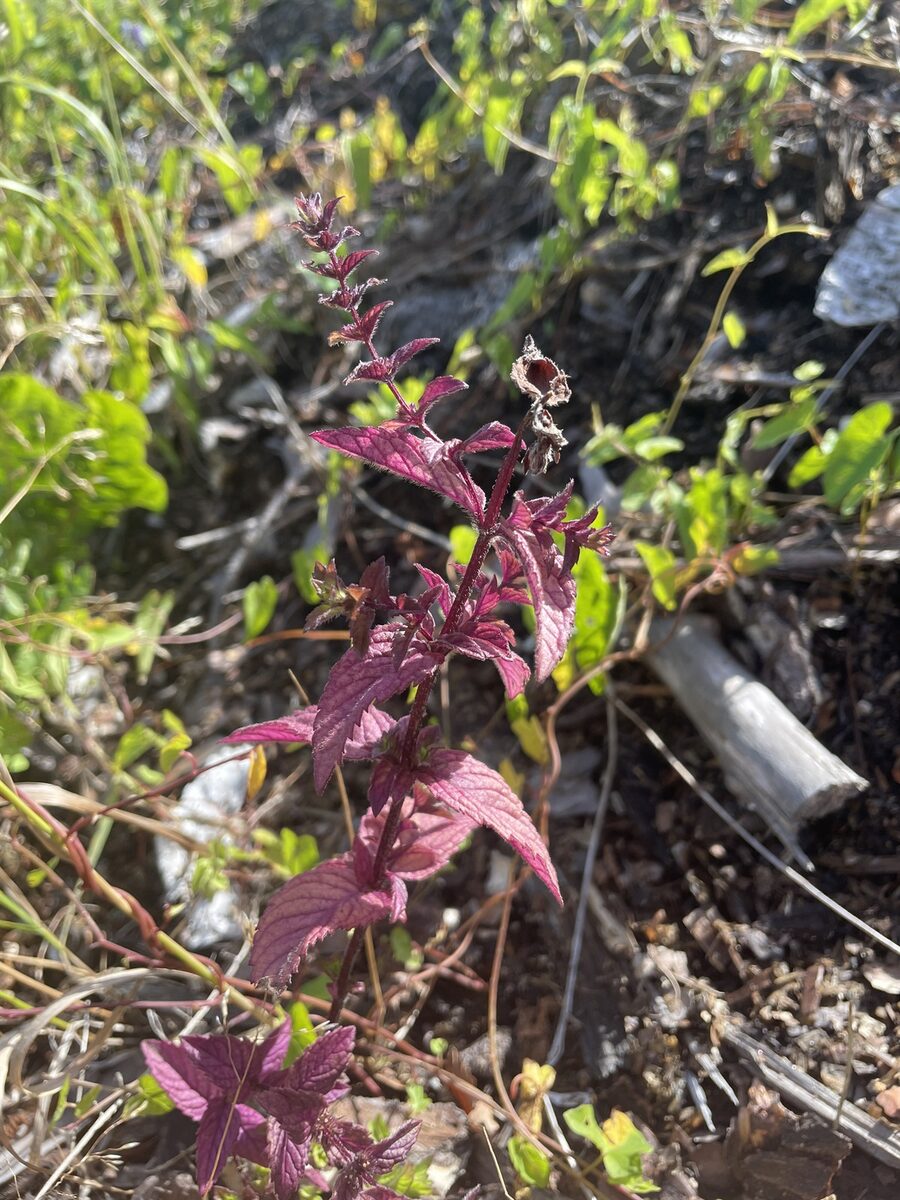
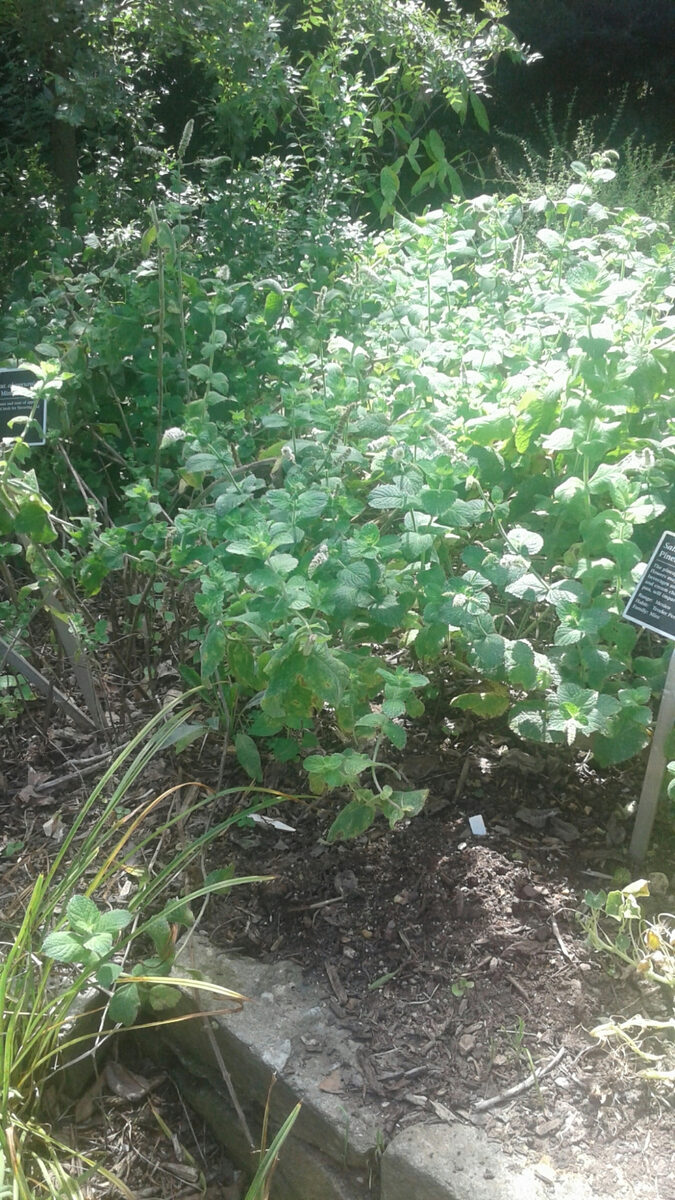
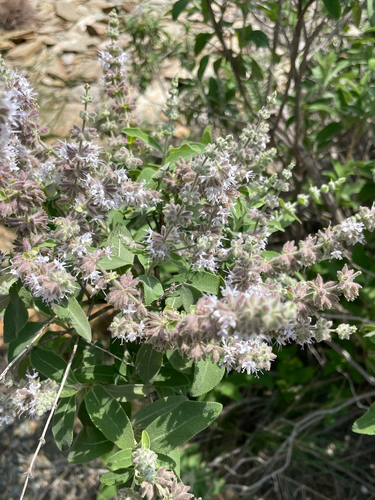
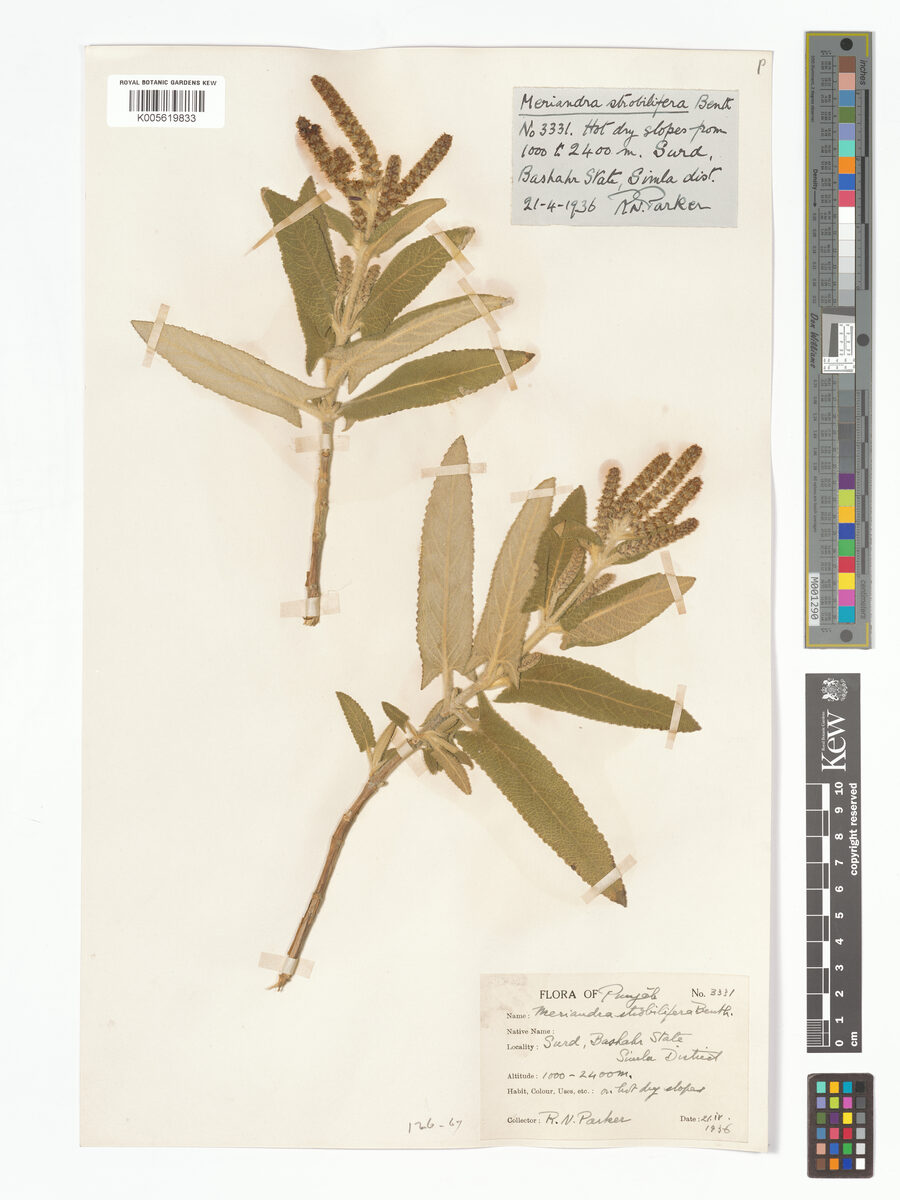
Dracocephalum heterophyllum
Benth.
iNaturalist· cc-by-nc
(c) Kulbhushansingh Suryawanshi, some rights reserved (CC BY-NC), uploaded by Kulbhushansingh Suryawanshi
iNaturalist· cc-by-nc
(c) hyeonsoo_kim, some rights reserved (CC BY-NC)
iNaturalist· cc-by-nc
(c) hyeonsoo_kim, some rights reserved (CC BY-NC)
Summary
A perennial herb growing to 0.3 meters tall. Hermaphroditic with a preference for well-drained soil in sandy, loamy, or clay compositions. Tolerates mildly acid, neutral, and basic soils. Grows in semi-shade or full sun and prefers moist soil. Hardy to UK zone 7.
Description
A herb. It keeps growing from year to year and has an aroma. It has slender woody rhizomes or underground stems. The stems can lie along the ground or be erect. The leaves are oblong and 25 mm long by 15 mm wide. The flowers are in a dense group 4-6 cm long. The fruit are narrow nutlets 3.5 mm long by 1.5 mm wide.
Edible Uses
The root is edible when cooked.
Traditional Uses
The roots are used as a vegetable.
This uses section is brief — help expand it
Medicinal Uses
No medicinal uses are known for this plant.
Distribution
It is a temperate plant. In Pakistan it grows in the high mountains to the limit of vegetation. In north China it grows in dry rocky places between 1,100-5,000 m above sea level. In Sichuan.
Where It Grows
Afghanistan, Asia, Central Asia, China, Himalayas, India, Iran, Middle East, Mongolia, Nepal, Pakistan, Russia, Tajikistan, Tibet,
Cultivation
Grows best in a sunny position in a fertile well-drained soil according to some reports whilst other reports say that it prefers a cool position and some shade. Prefers some shelter and a moist but not wet soil.
Propagation
Sow seed in an outdoor seedbed in April or May. Germination typically takes 1–4 weeks at 15°C. If seed is scarce, sow in a pot in a cold frame, pot on as soon as seedlings are large enough to handle, and overwinter in the frame before planting out in late spring. Divide in spring or autumn. Take basal cuttings in April or May by harvesting shoots around 10–15cm long with plenty of underground stem attached. Pot into individual containers and keep in light shade in a cold frame or greenhouse until well rooted, then plant out in summer.
Other Uses
No other uses are known for this plant.
Notes
There are about 45 Dracocephalum species.
Synonyms
Also Known As
Shanku, Zanda
References (4)
- Ambasta, S.P. (Ed.), 2000, The Useful Plants of India. CSIR India. p 182
- Flora of Pakistan. www.eFloras.org
- Plants for a Future database, The Field, Penpol, Lostwithiel, Cornwall, PL22 0NG, UK. http://www.scs.leeds.ac.uk/pfaf/
- Singh, H.B., Arora R.K.,1978, Wild edible Plants of India. Indian Council of Agricultural Research, New Delhi. p13