Elsholtzia communis
(Collett & Hemsl.) Diels
iNaturalist· cc-by-nc
(c) accidentalshrike, some rights reserved (CC BY-NC), uploaded by accidentalshrike
iNaturalist· cc-by-nc
(c) accidentalshrike, some rights reserved (CC BY-NC)
Description
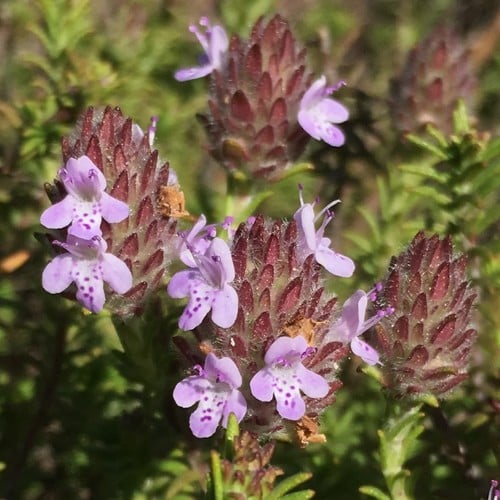
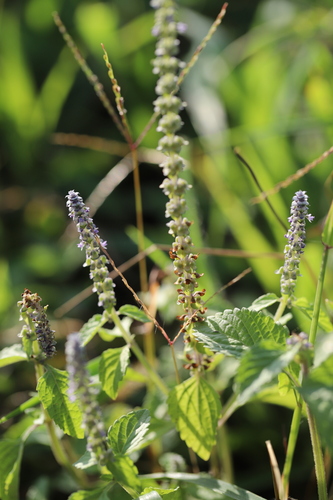
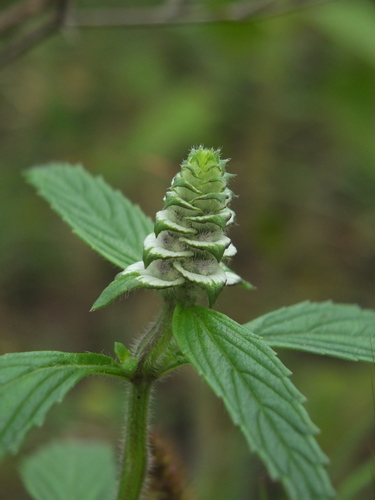
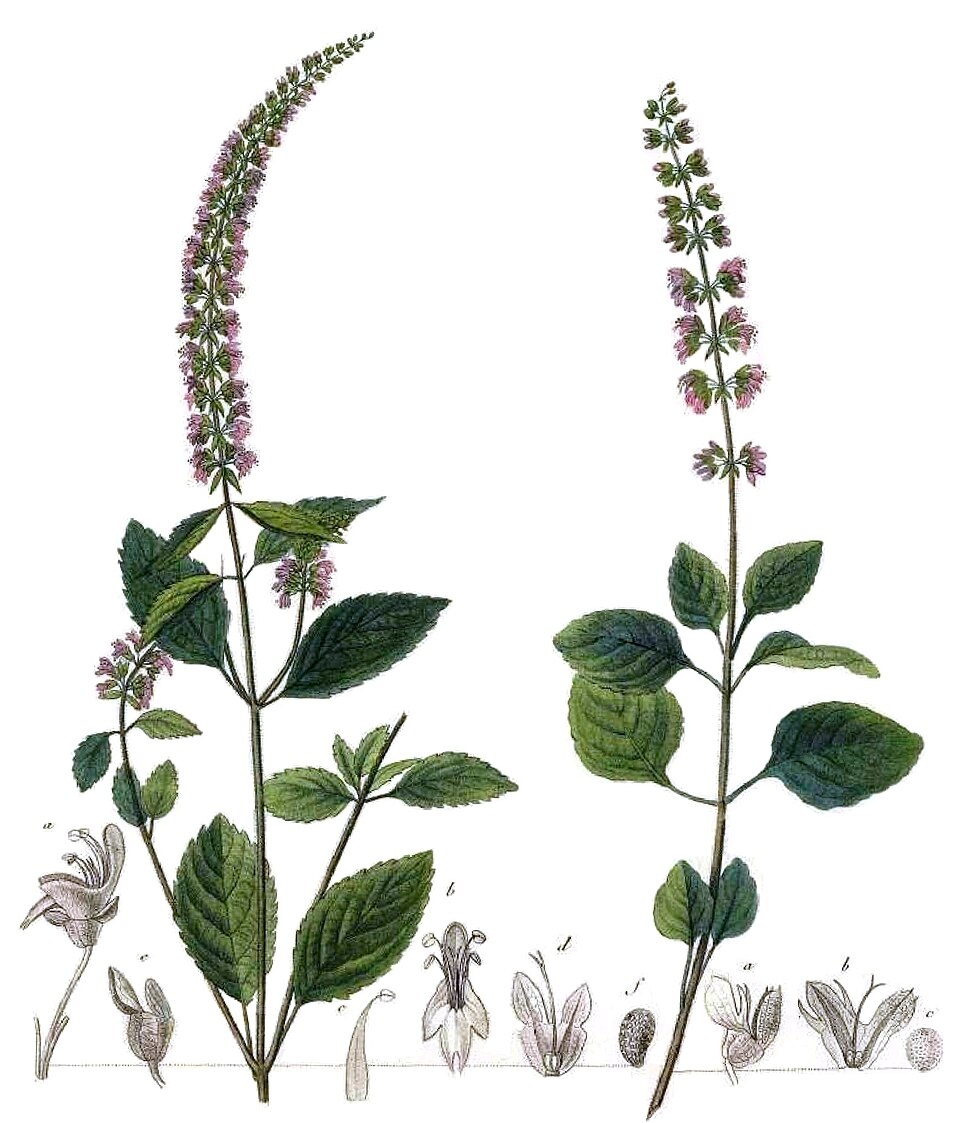
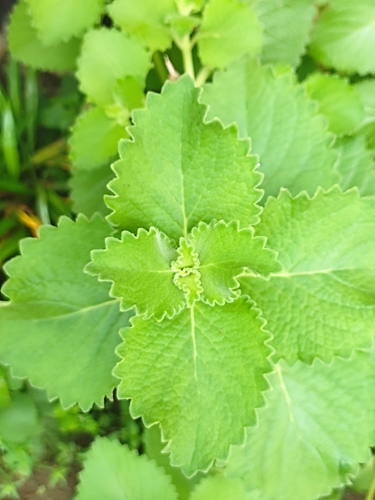
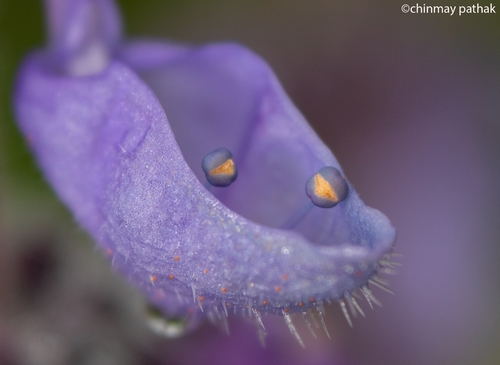
A herb. It grows to 60 cm tall. The stems are erect and purple red. There are many branches at the base. The leaf stalk is 2-5 mm long. The leaf blade is oval to oblong and hairy. There are teeth around the edge. The flower spikes are at the top of the plant. They are 1-4.5 cm long.
Edible Uses
The leaves are cooked with meat and fish as a flavouring for curry.
Traditional Uses
The leaves are cooked with meat and fish for flavouring curry.
This uses section is brief — help expand it
Medicinal Uses
The plant is analgesic, antipyretic. It is used in the treatment of respiratory diseases, digestive problems etc. It is used in combination with Centella asiatica in the treatment of hypertension and cardiovasvular diseases.
Distribution
A tropical plant. It is cultivated in China.
Where It Grows
Asia, China, India, Indochina, Myanmar, Northeastern India, SE Asia, Thailand, Vietnam,
Cultivation
The plant has a strong fragrance of the essential oil citral.
Other Information
Leaves are sold in local markets.
Notes
There are about 40 Elsholtzia species. It is used in medicine.
Synonyms
Also Known As
Ji long cao, Leng-ser, Lengmasel
References (3)
- Guite, C., 2016, A study of wild edible plants associated with the Paite tribe of Manipur, India, International Journal of Current Research. Vol. 8, Issue, 11, pp. 40927-40932
- Kar, A., et al, 2013, Wild Edible Plant Resources used by the Mizos of Mizoram, India. Kathmandu University Journal of Science, Engineering and Technology. Vol. 9, No. 1, July, 2013, 106-126
- Mot So Rau Dai an Duoc O Vietnam. Wild edible Vegetables. Ha Noi 1994, p 250