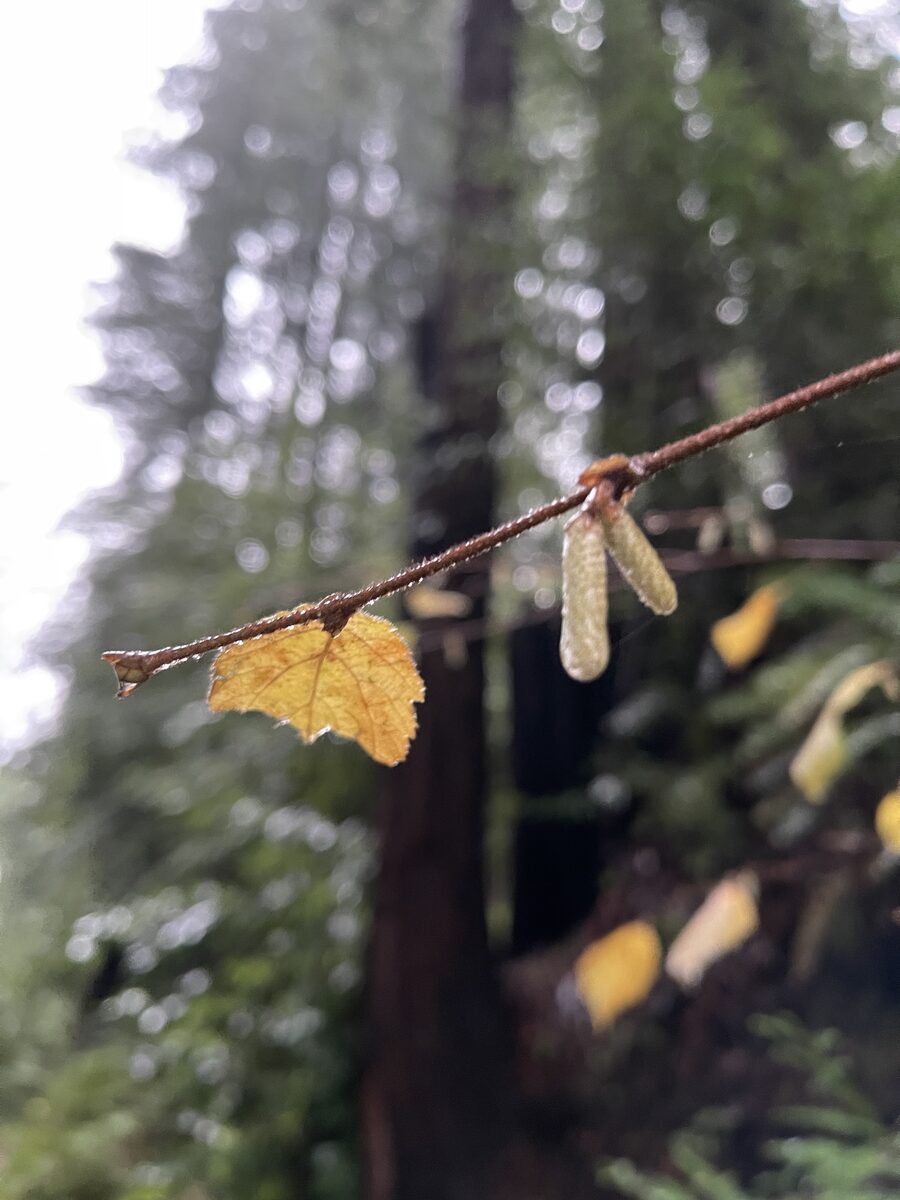
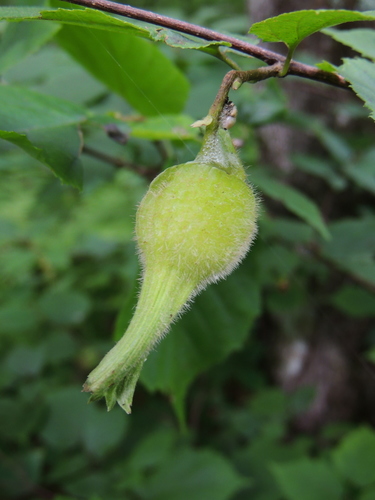
Alnus sinuata - (Regel.)Rydb.
(Regel.)Rydb.
Sitka Alder
gbif· cc-by-nc
Washington State University Marion Ownbey Herbarium (WS-)
gbif· cc-by
The New York Botanical Garden
gbif· cc-by-nc
Brigham Young University
Description
Alnus sinuata is a deciduous Shrub growing to 4 m (13ft 1in) at a fast rate. See above for USDA hardiness. It is hardy to UK zone 2. It is in flower from April to June, and the seeds ripen from July to August. The species is monoecious (individual flowers are either male or female, but both sexes can be found on the same plant) and is pollinated by Wind. It can fix Nitrogen. Suitable for: medium (loamy) and heavy (clay) soils and can grow in heavy clay and nutritionally poor soils. Suitable pH: mildly acid, neutral and basic (mildly alkaline) soils. It can grow in semi-shade (light woodland) or no shade. It prefers moist or wet soil.
Edible Uses
Catkins - raw or cooked. A bitter flavour.
Medicinal Uses
Astringent Emetic Haemostatic Stomachic Tonic. The bark is astringent, emetic, haemostatic, stomachic and tonic.
Known Hazards
The freshly harvested inner bark is emetic but is alright once it has been dried.
Distribution
Western N. America - Alaska to California - east to Idaho and Montana.
Where It Grows
TEMPERATE ASIA: Russian Federation (Habarovskij kraj, Kamcatskij kraj, Magadanskaja oblast, Sakhalin) NORTHERN AMERICA: Canada (Northwest Territories (northwest), Yukon, Alberta (west), British Columbia), United States (Alaska, Idaho, Montana (west), Oregon, Washington, Wyoming (northwest), California (north))
Cultivation
Prefers a heavy soil and a damp situation. Grows well in heavy clay soils. Tolerates very infertile sites. This species is closely related to A. viridis and is included as a sub-species of A. viridis by many botanists. A fast-growing but short-lived species, rarely living longer than 50 years. It is a pioneer species of logged or burnt land, often forming dense thickets in low wet areas. This species has a symbiotic relationship with certain soil micro-organisms, these form nodules on the roots of the plants and fix atmospheric nitrogen. Some of this nitrogen is utilized by the growing plant but some can also be used by other plants growing nearby. In garden design, as well as the above-ground architecture of a plant, root structure considerations help in choosing plants that work together for their optimal soil requirements including nutrients and water.
Propagation
Seed - best sown in a cold frame as soon as it is ripe and only just covered. Spring sown seed should also germinate successfully so long as it is not covered. The seed should germinate in the spring as the weather warms up. When large enough to handle, prick the seedlings out into individual pots. If growth is sufficient, it is possible to plant them out into their permanent positions in the summer, otherwise keep them in pots outdoors and plant them out in the spring. If you have sufficient quantity of seed, it can be sown thinly in an outdoor seed bed in the spring. The seedlings can either be planted out into their permanent positions in the autumn/winter, or they can be allowed to grow on in the seed bed for a further season before planting them. Cuttings of mature wood, taken as soon as the leaves fall in autumn, outdoors in sandy soil.
Other Uses
Fuel Pioneer Soil stabilization Tannin Wood. This is an excellent pioneer species for re-establishing woodlands on disused farmland, difficult sites etc. Its fast rate of growth means that it quickly provides sheltered conditions to allow more permanent woodland trees to become established. In addition, bacteria on the roots fix atmospheric nitrogen - whilst this enables the tree to grow well in quite poor soils it also makes some of this nitrogen available to other plants growing nearby. Alder trees also have a heavy leaf canopy and when the leaves fall in the autumn they help to build up the humus content of the soil. Alder seedlings do not compete well in shady woodland conditions and so this species gradually dies out as the other trees become established. The bark and the strobils are a source of tannin. The tree has an extensive root system and can be planted to control banks from erosion. Wood - soft, straight-grained, very durable in water. The tree is too small to be of use as a source of lumber, but the wood is used locally for fuel.