Alnus tenuifolia
Nutt.
Mountain alder
iNaturalist· cc-by-nc
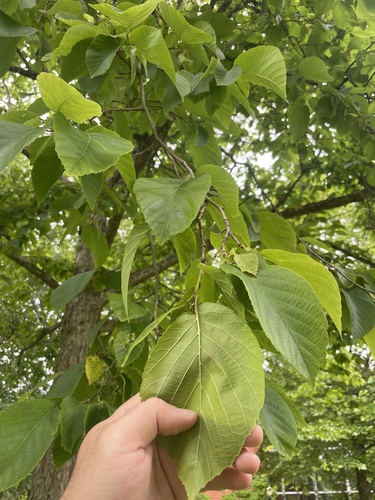
(c) Andy Fyon, some rights reserved (CC BY-NC)
iNaturalist· cc-by-nc
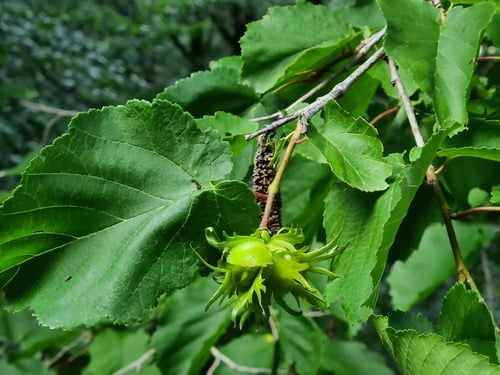
(c) Andy Fyon, some rights reserved (CC BY-NC)
iNaturalist· cc-by-nc
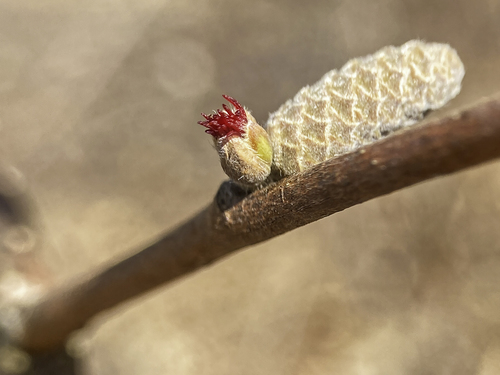
(c) M. Torre Jorgenson, some rights reserved (CC BY-NC)
Summary
Source: WikipediaAlnus tenuifolia is a fast-growing deciduous tree reaching 9 m tall, hardy to UK zone 2. It flowers in March with seeds ripening in October. Monoecious, wind-pollinated flowers and nitrogen-fixing bacteria are present. The tree thrives in moist or wet, mildly acid to basic soils, including heavy clay and poor soils, growing in semi-shade to full sun.
Description
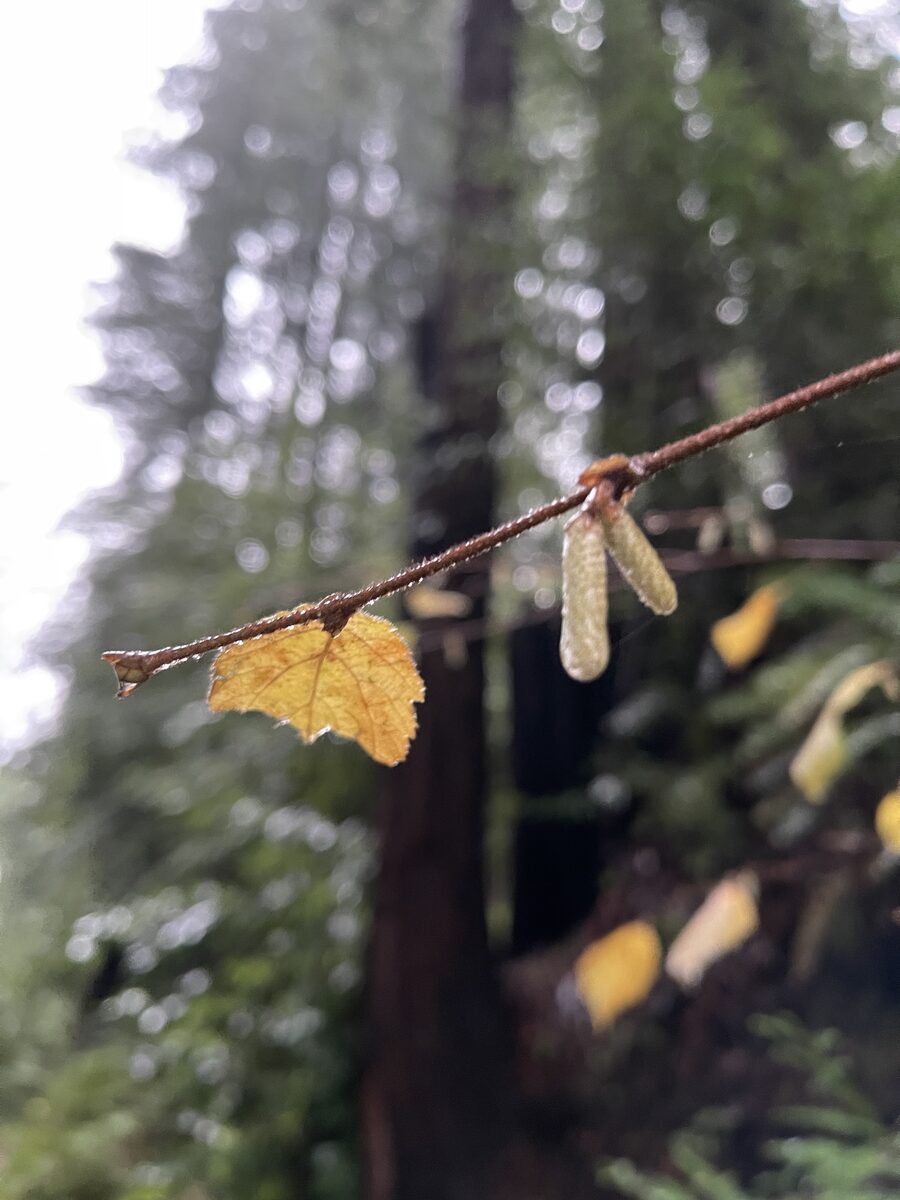
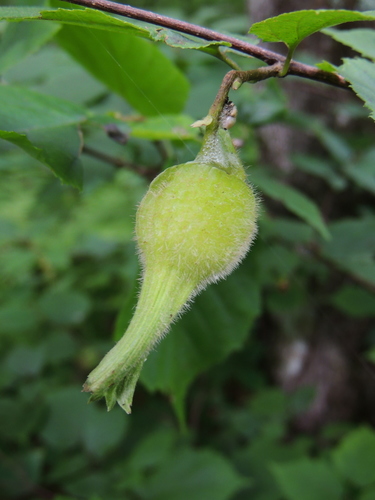
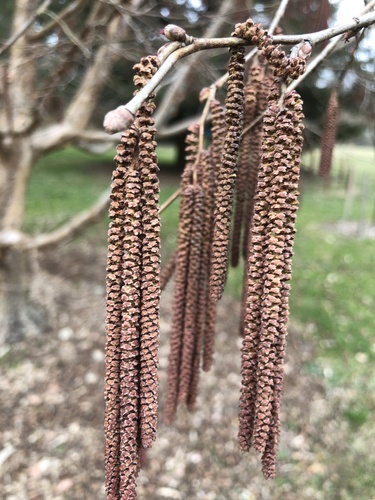
A tree that loses its leaves. It grows 9 m high and spreads 4 m wide. The stem is slender, erect and branching. The leaves are oval and taper. They are green and have fine teeth along the edge. The flowers are long slender catkins.
Edible Uses
The catkins can be eaten raw or cooked, though they have a bitter taste.
Traditional Uses
The wood is used to smoke fish to impart a flavour.
This uses section is brief — help expand it
Medicinal Uses
The bark is astringent, emetic, haemostatic, stomachic, and tonic. It also contains salicin, which likely breaks down into salicylic acid — closely related to aspirin — in the body, giving it anodyne and febrifuge properties. The outer bark is applied as a poultice to bleeding wounds and helps reduce swellings.
Known Hazards
The freshly harvested inner bark is emetic but is alright once it has been dried.
Distribution
It will grow in most moist soils. It is best in an open sunny position. It is resistant to frost but sensitive to drought.
Where It Grows
Australia, Canada, North America*, USA,
Cultivation
Prefers a heavy soil and a damp situation. Grows well in heavy clay soils. Tolerates very infertile sites. A fast-growing but short-lived tree. There is some confusion over the correct name of this tree with one authority citing the European species A. incana as the correct name. Another report says that this species is closely related to A. incana, but distinct. Some modern works treat it as a subspecies (Alnus incana tenuifolia). This species has a symbiotic relationship with certain soil micro-organisms, these form nodules on the roots of the plants and fix atmospheric nitrogen. Some of this nitrogen is utilized by the growing plant but some can also be used by other plants growing nearby. In garden design, as well as the above-ground architecture of a plant, root structure considerations help in choosing plants that work together for their optimal soil requirements including nutrients and water.
Propagation
Seed is best sown in a cold frame as soon as it is ripe, covered only very lightly or not at all — spring-sown seed germinates equally well provided it is not covered. Germination occurs as temperatures rise in spring. Seedlings should be pricked out into individual pots once large enough to handle; if growth is sufficient they can go into their permanent positions in summer, otherwise overwinter them in pots outdoors and plant out the following spring. With larger quantities of seed, sow thinly in an outdoor seed bed in spring and plant out in autumn/winter, or grow on for a further season before transplanting. Cuttings of mature wood can be taken as soon as leaves fall in autumn and rooted outdoors in sandy soil.
Other Uses
This species is an excellent pioneer for re-establishing woodland on disused farmland and difficult sites. Its fast growth quickly creates sheltered conditions that allow more permanent woodland trees to establish. Root bacteria fix atmospheric nitrogen, enabling growth in poor soils and making some nitrogen available to neighbouring plants. The heavy leaf canopy contributes to humus-building as leaves fall in autumn. Because alder seedlings do not compete well in shade, the species gradually dies out as the woodland matures. The extensive root system also makes it useful for stabilising eroding banks. The bark and strobils yield tannin, and the bark produces a dye ranging in colour from orange through red to brown. The wood is soft, straight-grained, and very durable in water but has no commercial value and is used locally only as fuel. This species is also valued as a nitrogen fixer.
Synonyms
References (4)
- Bodkin, F., 1991, Encyclopedia Botanica. Cornstalk publishing, p 67
- Facciola, S., 1998, Cornucopia 2: a Source Book of Edible Plants. Kampong Publications, p 49
- MacKinnon, A., et al, 2009, Edible & Medicinal Plants of Canada. Lone Pine. p 151
- N. Amer. Sylva 1:48. 1842