Lagerstroemia calyculata
Kurz
iNaturalist· cc-by-nc
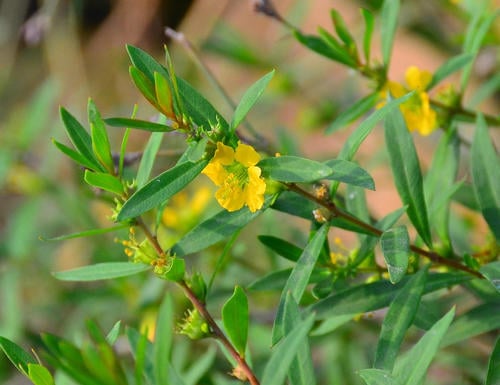
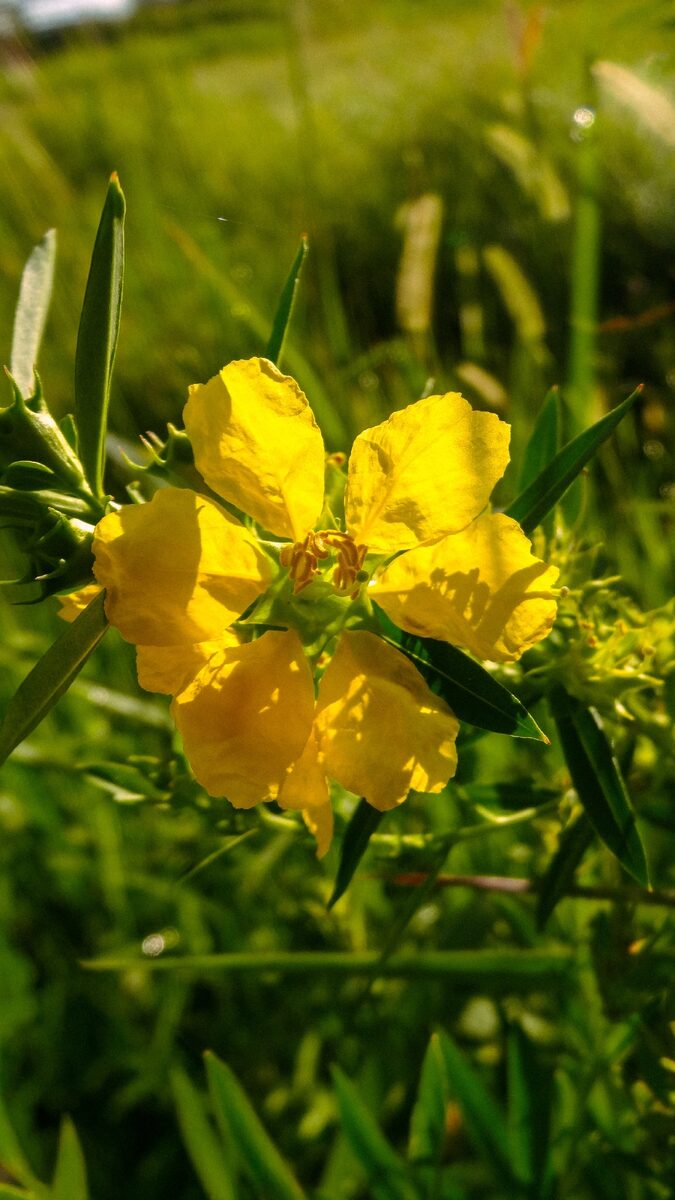
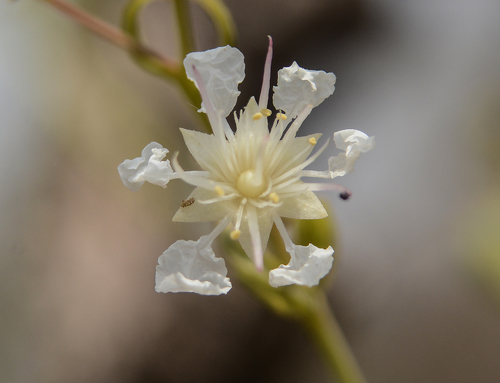
(c) Steven Kurniawidjaja, some rights reserved (CC BY-NC), uploaded by Steven Kurniawidjaja
iNaturalist· cc-by-nc-sa
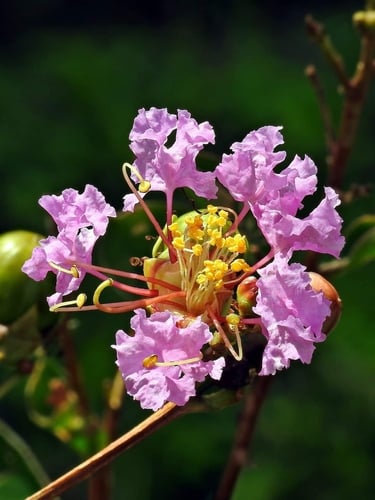
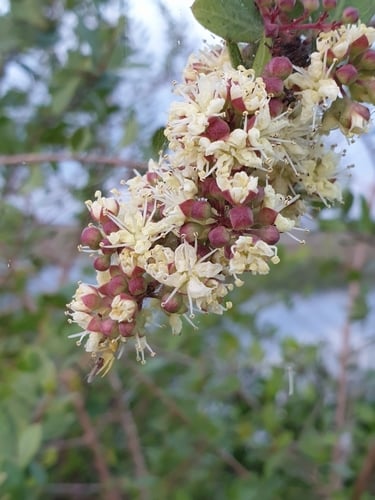
(c) 106611639464075912591, some rights reserved (CC BY-NC-SA), uploaded by 106611639464075912591
Summary
Source: WikipediaLagerstroemia calyculata is a species of flowering plant in the family Lythraceae. It is known as the "Guava Crape Myrtle" (Vietnamese: Bằng Lăng Ổi, Bằng Lăng Cườm; Thai: ตะแบก tabaek; Cambodian name: Khmer: ដើមស្រឡៅ, romanized: Srolao); the name is derived from its very characteristic mottled flaky bark. It is found in Southeast Asia and Oceania. It is a medium-sized tree growing up to a height between 10 and 20 m (35 and 65 ft). Like other species of the same genus, it is quite common as a decorative tree in the parks of Thailand owing to its beautiful bunches of pink flowers. Its wood has a low commercial value, which is why it thought to have maintained the forest structure in previously logged parts of Cat Tien National Park, where it may constitute >25% of tree counts.
Description
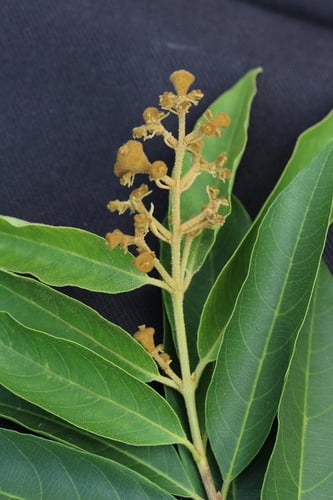
A tree. It grows 20-35 m tall. The trunk is 40-80 cm across. The bark is pale grey and smooth. It flakes in thin rounded plates. The leaves are narrowly oval and 7-18 cm long by 2-5 cm wide. Young leaves are hairy. The flowers are in groups at the ends of branches. The fruit is an oval capsule. It is 6-12 mm long and brown and shiny. It splits into 3 pieces.
Distribution
It is a tropical plant.
Where It Grows
Asia, Cambodia, Indochina, Laos, SE Asia, Thailand, Vietnam,
Cultivation
A rather slow-growing tree. Trees respond well to coppicing.
Other Uses
The greyish-yellow or brown heartwood is clearly demarcated from the white sapwood, The wood is hard and heavy. It is used for timber, interior furniture-making, wood-boards etc. We have no more specific information on the wood of this species, but the following is a general description of wood from this genus:- The heartwood is light red to reddish brown, darkening on exposure; the sapwood is light yellow brown to greyish white, rather wide. The grain is usually straight; texture moderately fine to rather coarse; rather lustrous; without distinctive odour or taste. It is generally classified as moderately durable and somewhat resistant to termites, although the sapwood is liable to powder-post beetle attack. It saws and works well; finishes to a smooth surface; and takes a good polish. It is used for making furniture, interior joinery, boatbuilding, general construction, parquet flooring and panelling.
Notes
An unresolved name in The Plant List.
Synonyms
Also Known As
Bang lang, Peuay dok khao, Peuay peuak no, Sang le, Sralao'
References (2)
- Turreira Garcia, N., et al, 2017, Ethnobotanical knowledgeof the Kuy and Khmer people in Prey Lang, Cambodia. Cambodian Journal of Natural History 2017 (1): 76-101
- Van Sam, H. et al, 2004, Trees of Laos and Vietnam: A Field Guide to 100 Economically or Ecologically Important Species. Blumea 29 (2004) 201-349