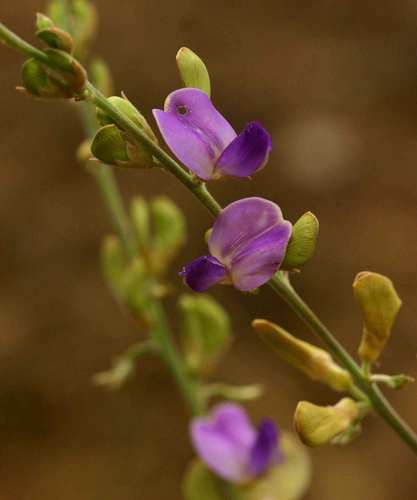
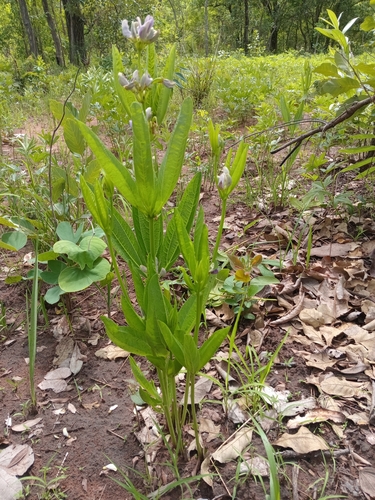
Indigofera galegoides
DC.
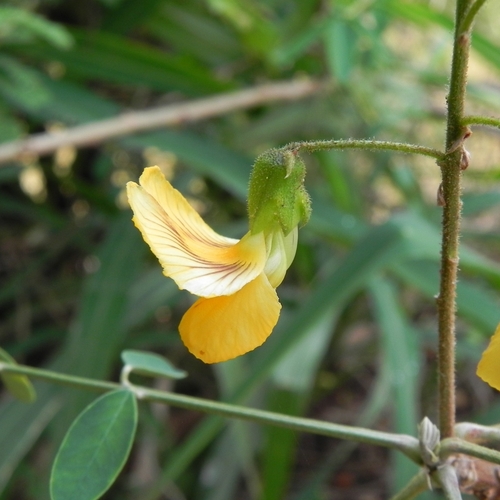
iNaturalist· cc-by-nc
(c) zhanchenghao, some rights reserved (CC BY-NC)
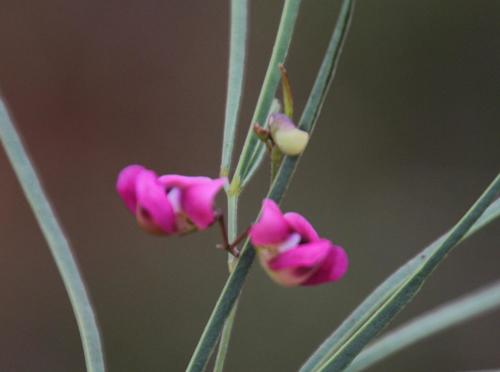
iNaturalist· cc-by-nc
(c) zhanchenghao, some rights reserved (CC BY-NC)
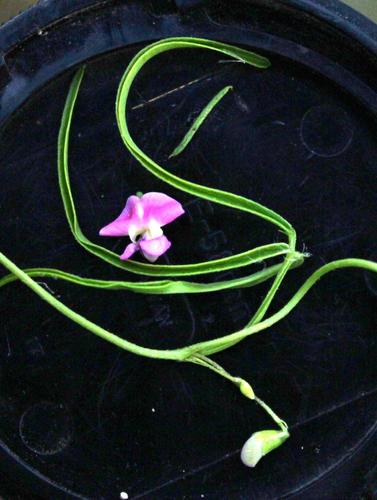
iNaturalist· cc-by-nc
(c) zhanchenghao, some rights reserved (CC BY-NC)
Summary
Source: WikipediaIndigofera galegoides is a species of flowering plant in the family Fabaceae, native to India, South East Asia, Malesia, and southern China. It is a shrub usually 2 m (6 ft) high and indigo dye may be extracted from it by the same harvesting and processing methods as Indigofera tinctoria. It grows in open places and valleys.
Description
A shrub. It grows 1-2 m tall. The young branches are angular with white hairs. The leaves are 20 cm long with 11-23 leaflets. The pods are 6-9 cm long with 15-18 seeds.
Known Hazards
The plant contains the toxic compound hydrogen cyanide (prussic acid). When injested, these compounds break down in the digestive tract to release cyanide. Used in small quantities in both traditional and conventional medicine, this exceedingly poisonous compound has been shown to stimulate respiration, improve digestion, and promote a sense of well-being. It is also claimed by some to be of benefit in the treatment of cancer - though this claim has been largely refuted. In larger concentrations, however, cyanide can cause gasping, weakness, excitement, pupil dilation, spasms, convulsions, coma and respiratory failure leading to death. The levels of toxin can be detected by the level of bitterness:- sweet almonds, for example, contain only very low levels of it and are safe to eat in quantity, whilst bitter almonds (which are used as a flavouring in foods such as marzipan) contain much higher levels and should only be eaten in very small quantities. Great caution should be employed if the taste is moderately to very bitter
Distribution
It is a tropical plant.
Where It Grows
Asia, Cambodia, China, SE Asia,
Cultivation
Indigofera species generally grow best in a sunny position, preferring a well-drained but moist soil. Many of the species will also succeed in drier conditions and in poor soils. This species has a symbiotic relationship with certain soil bacteria; these bacteria form nodules on the roots and fix atmospheric nitrogen. Some of this nitrogen is utilized by the growing plant but some can also be used by other plants growing nearby.
Propagation
Like many species within the family Fabaceae, once they have been dried for storage the seeds of this species may benefit from scarification before sowing in order to speed up and improve germination. This can usually be done by pouring a small amount of nearly boiling water on the seeds (being careful not to cook them!) and then soaking them for 12 - 24 hours in warm water. By this time they should have imbibed moisture and swollen - if they have not, then carefully make a nick in the seedcoat (being careful not to damage the embryo) and soak for a further 12 hours before sowing.
Other Uses
The leaves of this species contain hydrogen cyanide, valued for the manufacture of chemical products but also harmful as a toxin Formerly planted as a cover and green manure crop in teak plantations.
Synonyms
References (1)
- Cengel, D. J. & Dany. C., (Eds), 2016, Integrating Forest Biodiversity Resource Management and Sustainable Community Livelihood Development in the Preah Vihear Protected Forest. International Tropical Timber Organization p 110