Acacia complanata
A. Cunn. ex Benth.
Flat-stemmed wattle
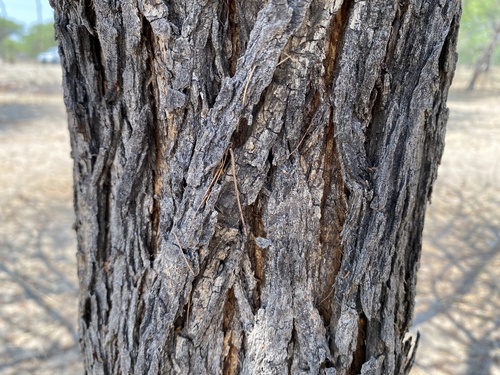
iNaturalist· cc-by-nc
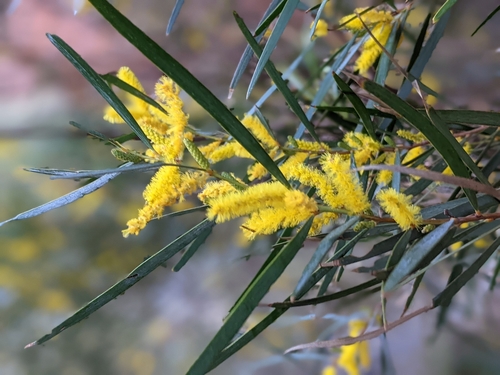
(c) Adrian Gale, some rights reserved (CC BY-NC), uploaded by Adrian Gale
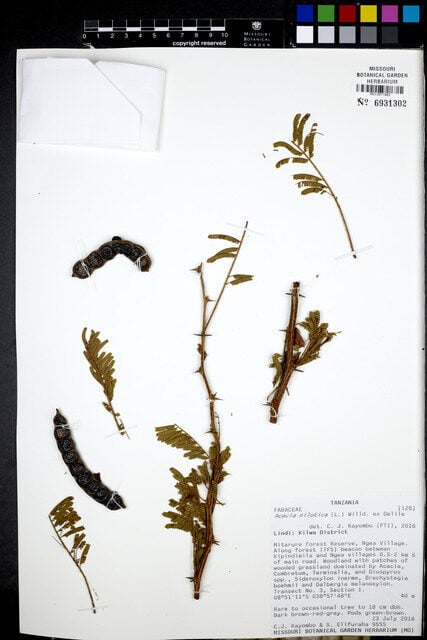
iNaturalist· cc-by-nc
(c) kyliegordon, some rights reserved (CC BY-NC), uploaded by kyliegordon
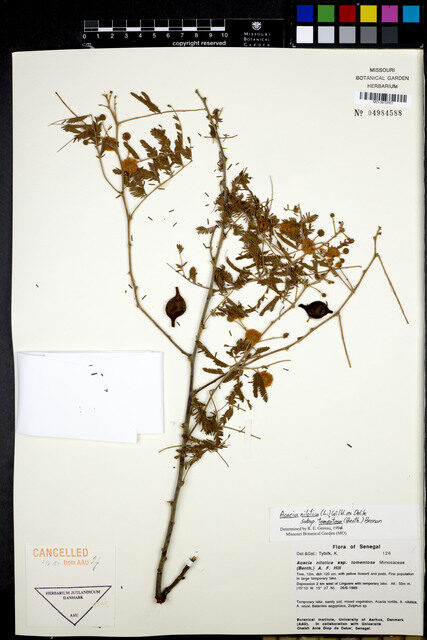
iNaturalist· cc-by-nc
(c) kyliegordon, some rights reserved (CC BY-NC), uploaded by kyliegordon
Summary
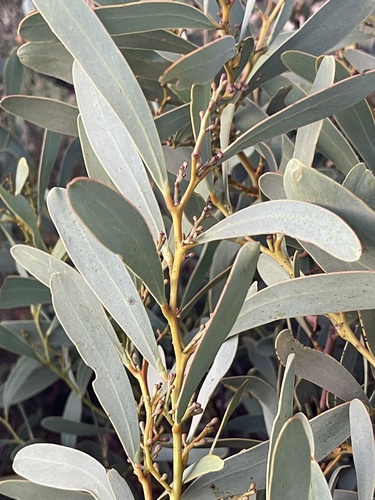
Source: WikipediaAcacia complanata, commonly known as flat-stemmed wattle, long-pod wattle or donkey's ears, is a species of flowering plant in the family Fabaceae and is endemic to eastern Australia. It is a shrub or tree with branches arching downwards, narrowly winged branchlets, narrowly linear, thinly leathery phyllodes, spherical heads of bright yellow flowers and linear, thinly leathery to crusty, wrinkled pods.
Description
A shrub or small tree. It grows 5 m tall. There are prickles along the stem. The leaves are twice divided and there are 8-18 pairs of pinnae. There are up to 50 pairs of pinnules on each pinnae. The flowers are yellow. They are in large clusters at the ends of branches. The pods are flattened.
Edible Uses
The seeds are edible.
Traditional Uses
The seeds are edible.
This uses section is brief — help expand it
Distribution
A subtropical species. It is adaptable to most soils and conditions. It is drought and frost resistant. It suits warmer places but can be grown in cooler places. It does best with a well drained soil and in a sunny position. It suits hardiness zones 9-11.
Where It Grows
Australia*,
Cultivation
It is grown from seed. The seed needs to be treated to break the hard seed coat. Normally this is by putting the seeds in very hot water and letting the water cool down overnight then planting the seeds immediately. Plants can be pruned to stop them becoming thin and straggly.
Production
Flowers are from December to May and the pods occur between June and November.
Notes
There are about 1,350 Acacia species. Over 1,000 occur in Australia. Also as Mimosaceae.
References (10)
- A guide to some edible/useful (mostly) local species
- Anon., 2003, Native Plants for the Fitzroy basin. Society for Growing Australian Plants Inc. (Rockhampton Branch)
- Bodkin, F., 1991, Encyclopedia Botanica. Cornstalk publishing, p 13
- Cherikoff V. & Isaacs, J., The Bush Food Handbook. How to gather, grow, process and cook Australian Wild Foods. Ti Tree Press, Australia p 47
- Cundall, P., (ed.), 2004, Gardening Australia: flora: the gardener's bible. ABC Books. p 74
Show all 10 references Hide references
- Elliot, W.R., & Jones, D.L., 1982, Encyclopedia of Australian Plants suitable for cultivation. Vol 2. Lothian. p 33
- Haslam, S., 2004, Noosa's Native Plants. Noosa Integrated Catchment Assn. Inc. p 218
- ILDIS Legumes of the World http:www;ildis.org/Legume/Web
- London J. Bot. 1:369. 1842
- Townsend, K., 1994, Across the Top. Gardening with Australian Plants in the tropics. Society for Growing Australian Plants, Townsville Branch Inc. p 50