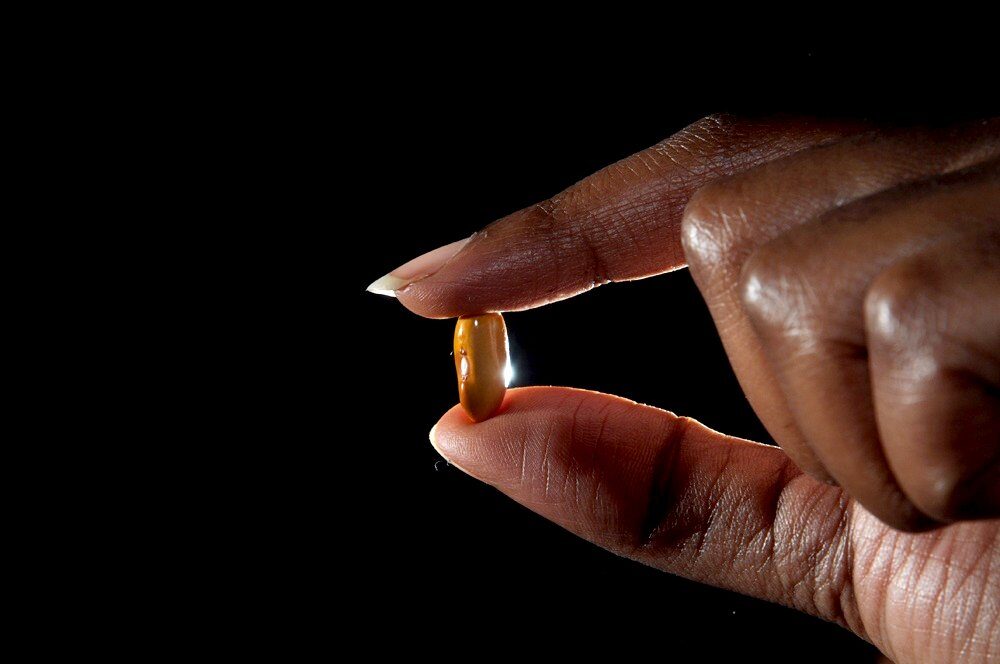
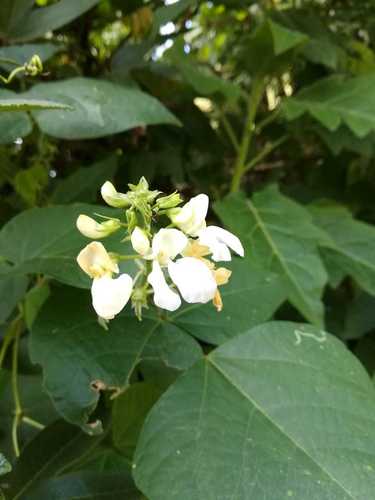
Holocalyx balansae
Micheli
Ibirapepe
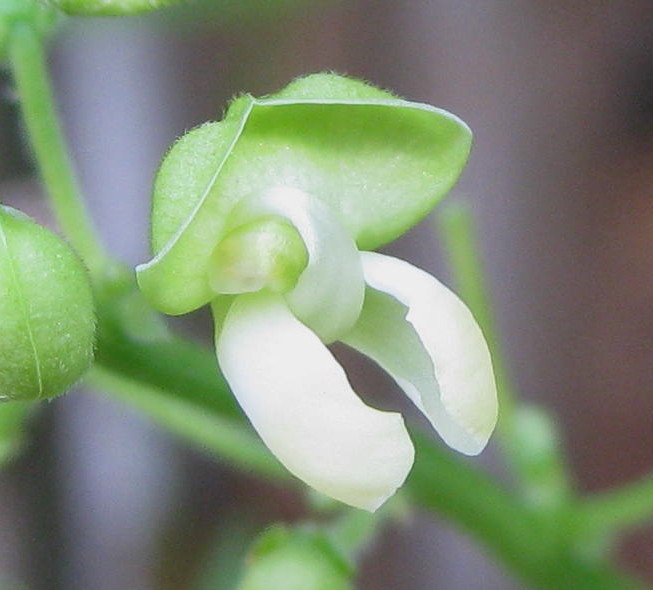
iNaturalist· cc-by
(c) Leonel Roget, some rights reserved (CC BY), uploaded by Leonel Roget
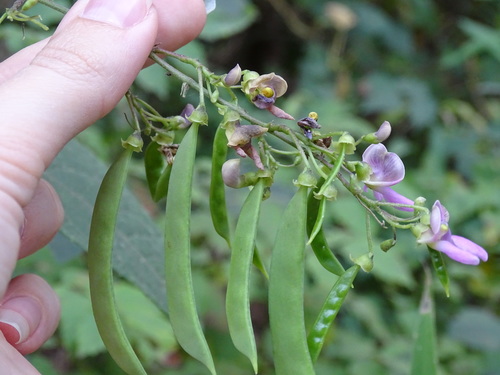
iNaturalist· cc-by-nc-sa
(c) Mauricio Mercadante, some rights reserved (CC BY-NC-SA)
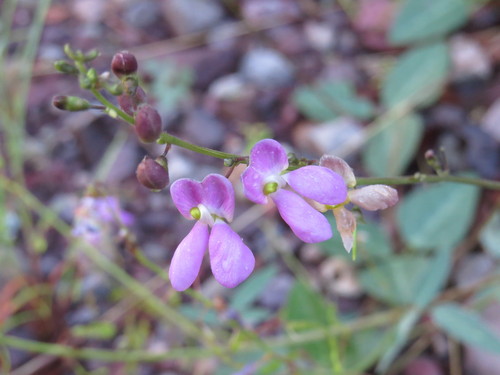
iNaturalist· cc-by-nc-sa
(c) Mauricio Mercadante, some rights reserved (CC BY-NC-SA)
Description
A subtropical tree in the Fabaceae family that grows 5-10 m tall.
This description is brief — help expand it
Edible Uses
The fruit and pods are edible.
Known Hazards
The branches and leaves are toxic.
Distribution
It is a subtropical plant.
Where It Grows
Bolivia, Brazil, South America,
Cultivation
A tree of subtropical to tropical areas, usually in areas with a distinct dry season. Plants can tolerate sunny positions when mature. Prefers a rocky, fertile, humid soil so long as it is well-drained. Freshly planted seedlings are slow to establish and grow away, barely reaching 2 metres tall in the first two years.
Propagation
Seed - best sown as soon as it is ripe. The seed can be sown without removing the pulp since this is thin and keeps the seed moist. Sow in individual containers in a lightly shaded position. Germination rates are usually very good, the seed sprouting in 30 - 60 days. Seedlings grow away slowly, taking 12 months before they are ready to plant out.
Other Uses
The heartwood is yellowish and distinct from the thick sapwood. The wood is heavy, strong, hard, compact, very durable, mechanically very resistant but not elastic. Lustre is medium, the wood takes a smooth finish. An attractive wood with decorative markings, it is used for the manufacture of deluxe articles, decorative turnery etc. The wood is used to make tool handles and rustic furniture. The wood is used for general carpentry, lathe work, walking sticks, arrows and clubs. Because of its fluted trunk, its wood has low commercial value for furniture. A good fuel wood.
Synonyms
Also Known As
Iba-uirapepe
References (1)
- www.colecionandofrutas.org