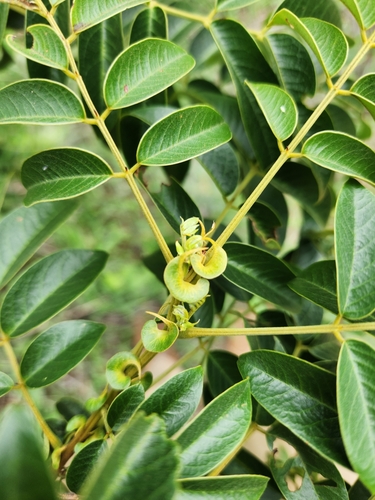
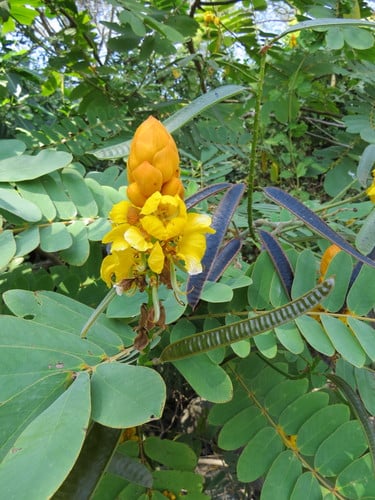
Vachellia aroma
(Gillies ex Hook. & Arn.) Seigler & Ebinger
Aromatic acacia
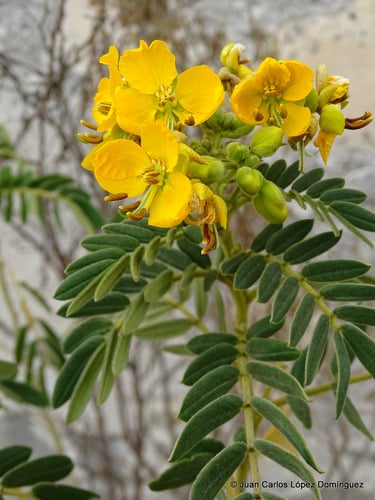
iNaturalist· cc-by
(c) aacocucci, some rights reserved (CC BY), uploaded by aacocucci
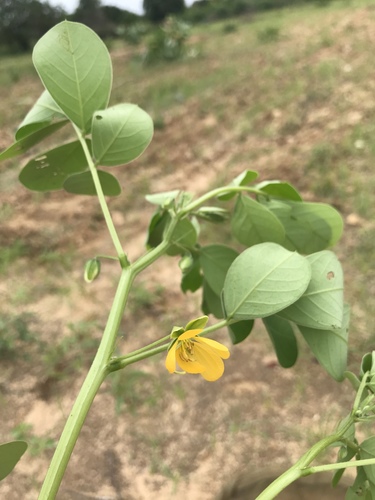
iNaturalist· cc-by-nc
(c) Franco Moreira, some rights reserved (CC BY-NC)
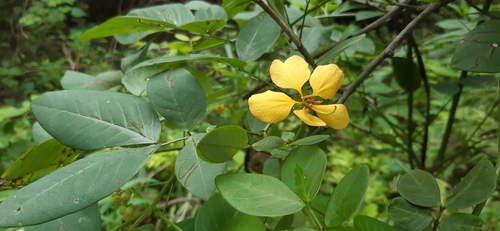
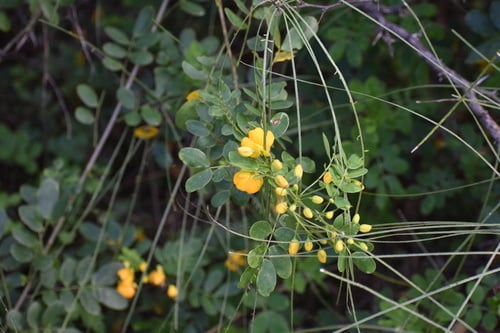
iNaturalist· cc-by-nc
(c) Franco Moreira, some rights reserved (CC BY-NC)
Summary
Source: WikipediaVachellia aroma is a small, perennial, thorny tree native to Peru, Chile, Argentina and Paraguay. Some common names for it are aromita, aromo negro, espinillo and tusca. It is not listed as being a threatened species. Although some sources say that Vachellia macracantha is synonymous with Vachellia aroma, genetic analysis of the two species has shown that they are different, but that they are closely related.
Description
A thorny tropical shrub or small tree in the Fabaceae family.
This description is brief — help expand it
Edible Uses
The fruit are eaten fresh or dry, and are also used to make alcoholic drinks.
Traditional Uses
The fruit are eaten fresh or dry. They are also used to make alcoholic drinks. Caution: The seeds contain alkaloids - tryptamine.
This uses section is brief — help expand it
Known Hazards
The seeds contain alkaloids, including tryptamine.
Distribution
It is a tropical plant.
Where It Grows
Argentina, Bolivia, Brazil, Chile, Ecuador, Paraguay, Peru, South America,
Notes
Also as Mimosaceae.
Synonyms
Also Known As
Aromita, Aromito, Aromo negro, Cupechicho, Espinillo, Espinillo aromita, Iguopere, Ihnietak, Ixnijatak, Khine, Kijutumuk, Ki ti ximpe, Kini, Quina, Siriado-siriao, Sirao, Tusca, Wampere
References (8)
- Arenas, P. and Scarpa, G. F., 2006, Edible wild plants of the Chorote Indians, Gran Chaco, Argentina. Botanical Journal of the Linnean Society. Vol. 153 (1): pp 73-85 (As Acacia aroma)
- Carretero, A. L., 2005, Useful Plants and traditional knowledge in the Tucumano-Boliviano Forest. M. Sc. Thesis Institute of Biological Science University of Aarhus, Denmark p 52 (As Acacia aroma)
- Grandtner, M. M. & Chevrette, J.,2013, Dictionary of Trees, Volume 2: South America: Nomenclature, Taxonomy and Ecology. Academic Press p 5 (As Acacia aroma)
- Kermath, B. M., et al, 2014, Food Plants in the Americas: A survey of the domesticated, cultivated and wild plants used for Human food in North, Central and South America and the Caribbean. On line draft. p 897
- Molares, S. & Ladio, A., 2012, The Usefulness of Edible and Medicinal Fabaceae in Argentine and Chilean Patagonia: Environmental Availability and Other Sources of Supply. Evidence-Based Complementary and Alternative Medicine. Volume 2012, Article ID 901918, 12 pages, Hindawi Publishing Corporation. (As Acacia aroma)
Show all 8 references Hide references
- Montani, M. C. & Scarpa, G. F., 2016, Recursos vegetales y prácticas alimentarias entre indígenas tapiete del noreste de la provincia de Salta, Argentina. Darwiniana, nueva serie vol.4 no.1 San Isidro jul. 2016 (As Acacia aroma)
- Palmeiri, V. S., & Geisa, M. G., 2019, Las plantas comestibles empleadas por las comunidades comechingonas de San Marcos Sierras (Córdoba, Argentina). Primeras aproximaciones. Bol. Soc. Argent. Bot. 54: 295-309.
- Scarpa, G. F., 2009, Wild food plants used by the indigenous peoples of South American Gran Chaco: A general synopsis and intercultural comparison. Journal or Applied Botany and Food Quality 83:90-101 (As Acacia aroma)