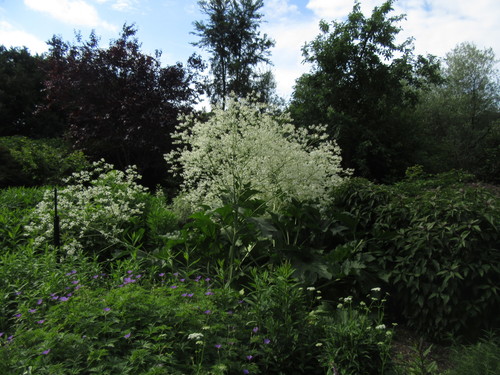
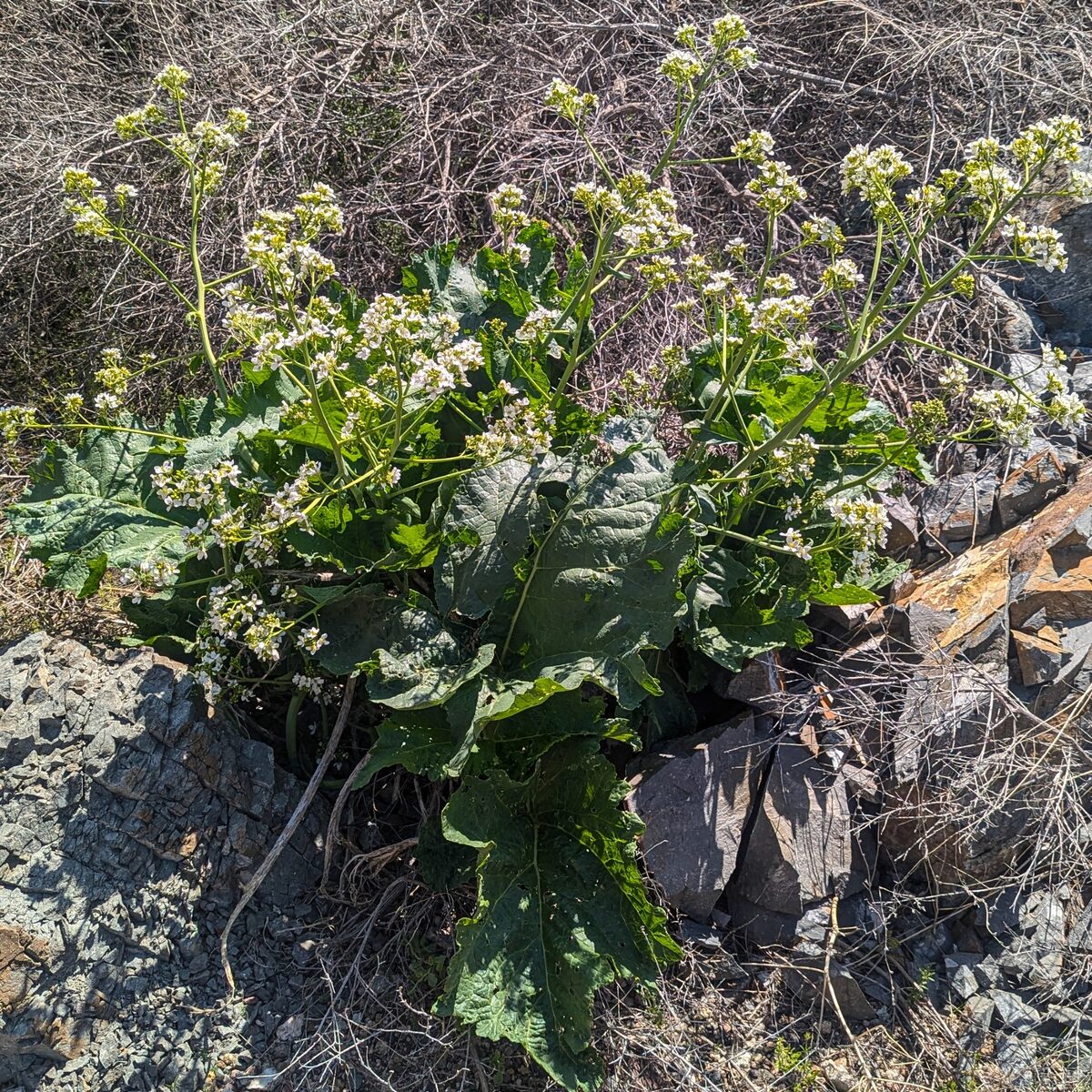
Cochlearia anglica
L.
Long leafed scurvy grass, English scurvy-grass
iNaturalist· cc-by-nc-sa
(c) Bas Kers, some rights reserved (CC BY-NC-SA)
iNaturalist· cc0
no rights reserved
iNaturalist· cc-by-nc
(c) jsardell, some rights reserved (CC BY-NC)
Summary
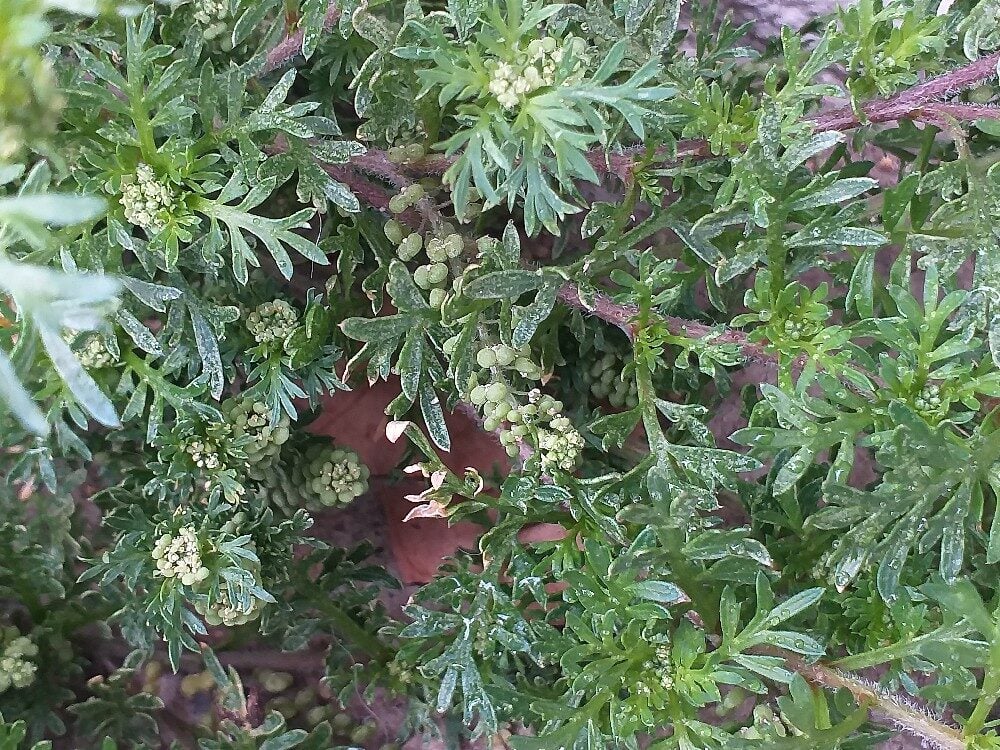
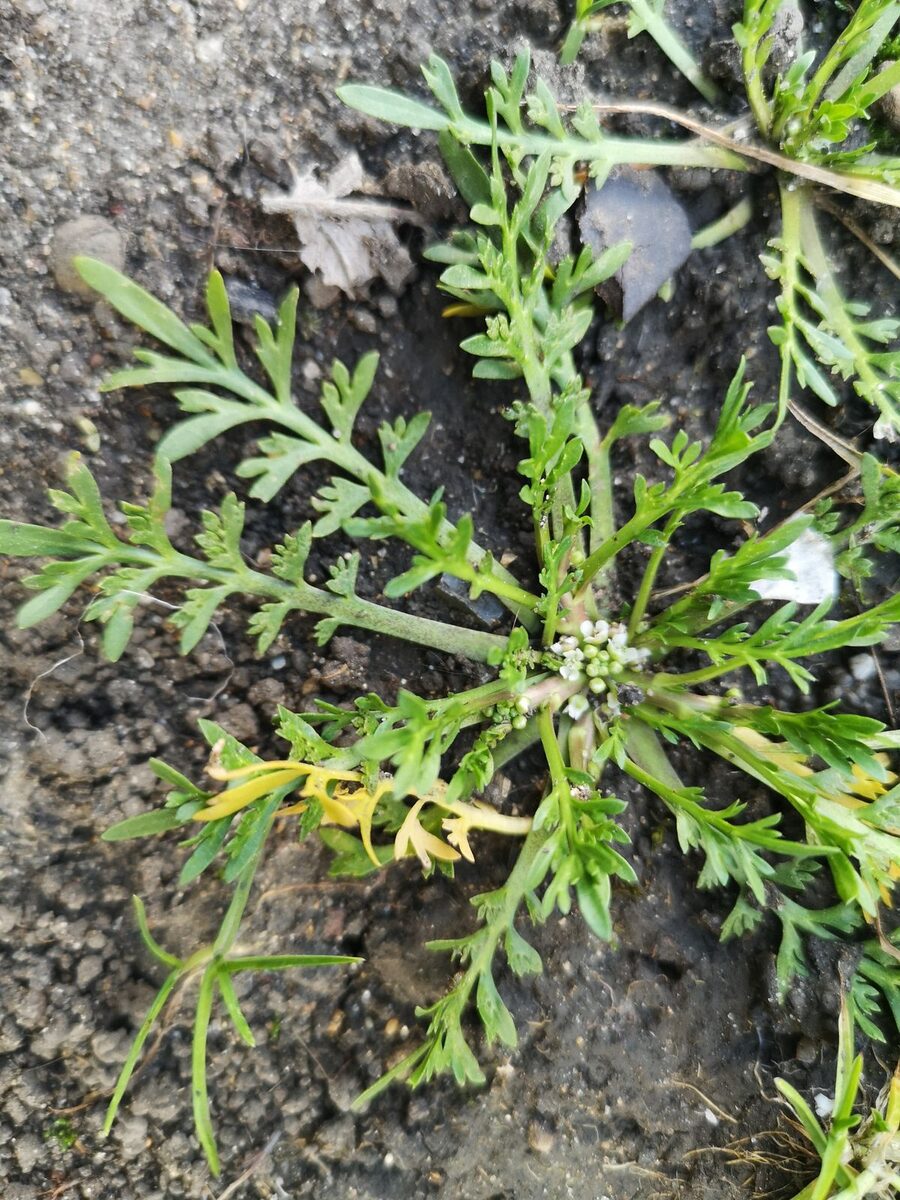
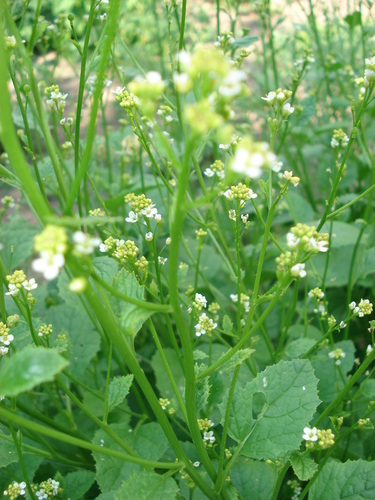
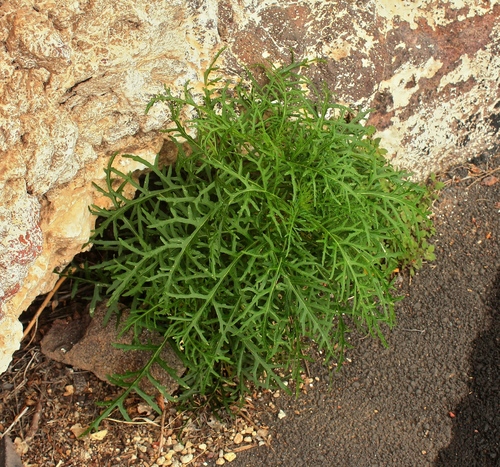
Source: WikipediaCochlearia anglica is a species of flowering plant in the family Brassicaceae known by the common names English scurvygrass and long-leaved scurvy grass. It is a plant of the coastlines of Europe, especially the British Isles. It is edible, and as its name suggests, it is rich in vitamin C. It has spade-shaped leaves and white flowers.
Description
Biennial or perennial herb reaching 30 centimeters tall. Hermaphroditic flowers bloom April to July, seeds mature July to September. Self-fertile and pollinated by bees, flies, and beetles. Grows in sandy, loamy, or clay soils across mildly acidic to basic pH ranges, including saline soils. Requires full sun and moist to wet conditions. Tolerates maritime exposure well.
Edible Uses
Young leaves and flower heads can be eaten raw, though they are bitter, and are used as a flavouring in salads. The leaves are very rich in vitamin C, though most people will find the pungent flavour unappealing. The plant is also used as a spice, though the specific part used is not recorded.
Traditional Uses
The young leaves and flower buds are eaten raw in salads and sandwiches.
This uses section is brief — help expand it
Medicinal Uses
The leaves are very rich in vitamin C.
Distribution
It is a temperate plant.
Where It Grows
Britain, Europe,
Cultivation
Prefers a cool shady position. Grows well on acid or calcareous soils but it avoids shady positions in the wild. Prefers a sandy or gritty well-drained soil. Hybridizes with C. officinalis.
Propagation
Sow seed in spring or autumn in situ. Germination usually takes place within 2–3 weeks at 15°c.
Other Uses
None known Special Uses
Notes
There are about 25 Cochlearia species.
Synonyms
References (3)
- Facciola, S., 1998, Cornucopia 2: a Source Book of Edible Plants. Kampong Publications, p 57
- Michael, P., 2007, Edible Wild Plants and Herbs. Grub Street. London. p 208
- Plants for a Future database, The Field, Penpol, Lostwithiel, Cornwall, PL22 0NG, UK. http://www.scs.leeds.ac.uk/pfaf/