Citrus unshiu
(Mak.) Marcovich
Satsuma mandarin, Satsuma orange
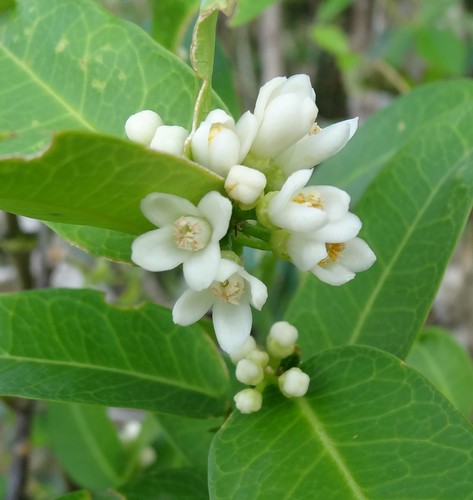
iNaturalist· cc-by-nc
(c) James K. Wetterer, some rights reserved (CC BY-NC)
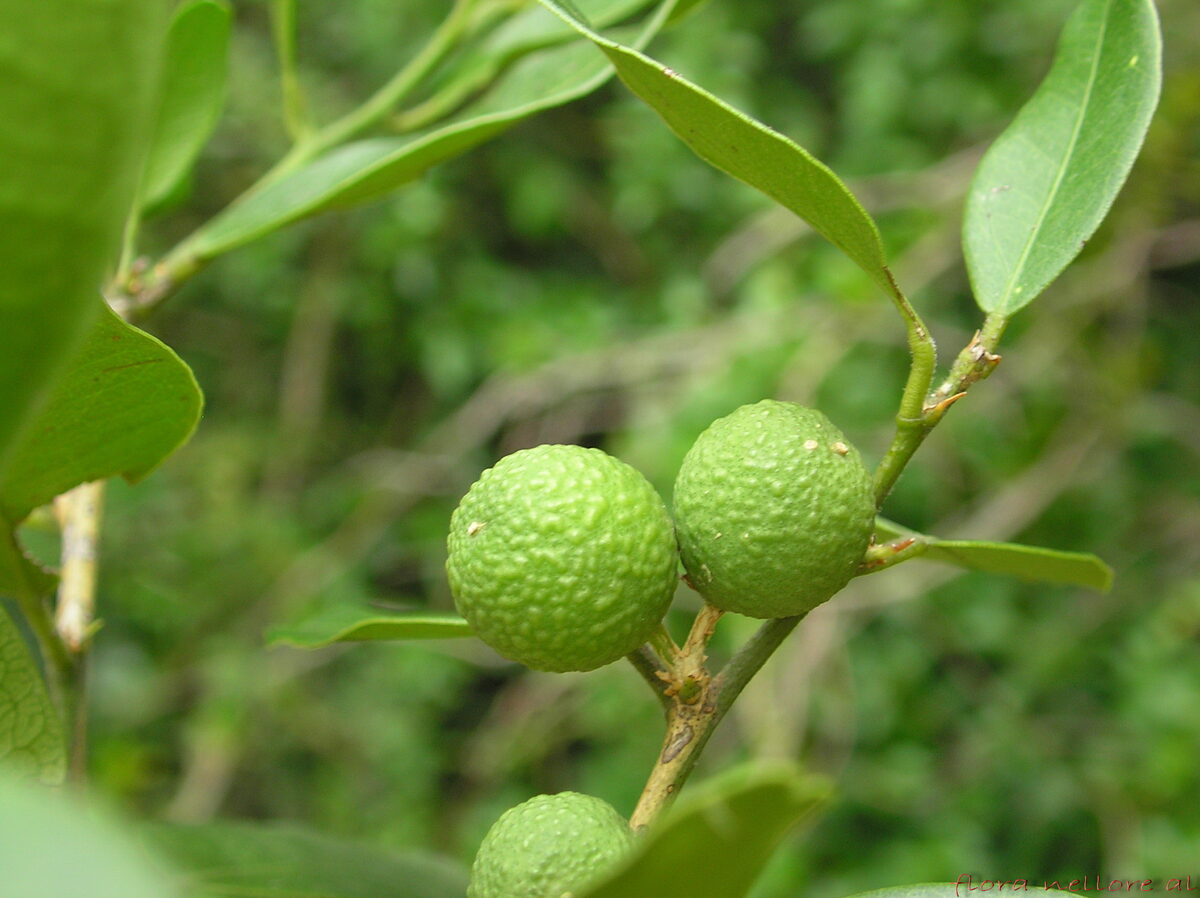
iNaturalist· cc-by-nc
(c) James K. Wetterer, some rights reserved (CC BY-NC)
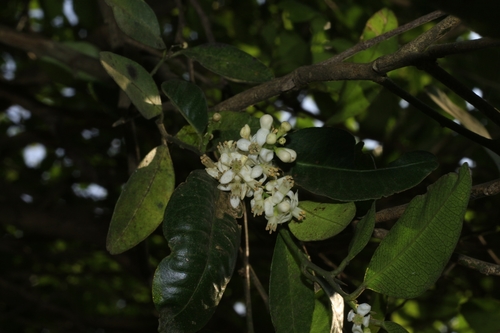
iNaturalist· cc-by-nc
(c) Tyler Donaghy, some rights reserved (CC BY-NC)
Summary
Source: WikipediaCitrus unshiu is a semi-seedless and easy-peeling citrus species, also known as the satsuma mandarin or Japanese mandarin.
Description
A small evergreen tree. It has spines. It grows 3-4 m high. The leaves are thin and slightly leathery. They are smooth, and shiny on the upper surface. They are 4-8 cm long. The leaf stalk is 2-4 cm long and has wings. The flowers can occur singly or in small groups in the axils of leaves. The fruit are round and have a thin skin. The fruit has segments that separate easily and a skin that is easily removed. They do not have seeds.
Edible Uses
The fruit is eaten fresh or consumed as juice. The skin is used for juice drinks, and the fruit is also canned and bottled as frozen juice.
Traditional Uses
The fruit are eaten fresh or as juice. The skin is used for juice drinks. It is also canned and bottled as a frozen juice.
This uses section is brief — help expand it
Medicinal Uses
The fruit has anticancer properties.
Distribution
It is a temperate plant. It can tolerate cold to -11°C.
Where It Grows
Asia, Brazil, Caucasus, China, Colombia, Georgia, Japan*, Korea, Philippines, SE Asia, South America, Taiwan,
Cultivation
Plants are grown from seed.
Other Information
It is a cultivated food plant.
Notes
There are 20 Citrus species. Several hybrids have been formed. It has anticancer properties.
Synonyms
Also Known As
Gyul, Japanese mandarin, Satsuma tangerine, Tangerina-japonesa, Tangerina-satsuma, Unshiu mikan
References (12)
- Arora, R. K., 2014, Diversity in Underutilized Plant Species - An Asia-Pacific Perspective. Bioversity International. p 64
- Bussman, R. W., et al, 2021, Unity in diversity—food plants and fungi of Sakartvelo (Republic of Georgia), Caucasus. Journal of Ethnobiology and Ethnomedicine (2021) 17:72 p 14
- Draguli, K., et al, 2008, Synephrine Content of Juice from Satsuma Mandarins (Citrus unshiu Marcovitch). Journal of Agricultural and Food Chemistry. 56: 8874-8878
- Lorenzi, H., Bacher, L., Lacerda, M. & Sartori, S., 2006, Brazilian Fruits & Cultivated Exotics. Sao Paulo, Instituto Plantarum de Estuados da Flora Ltda. p 595
- Izv. Sochin. Obl. Sukhum. Sadov. Sel. Opyt. Stantsii 2(2):5. 1921
Show all 12 references Hide references
- Postman, J. D., et al, 2012, Recent NPGS Coordinated Expeditions in the Trans-Caucasus Region to Collect Wild Relatives of Temperate Fruit and Nut Crops. In Acta Horticulturae Number 948 p 191-198
- Roa, J. A. G. & Boada, D. S. G., 2018, Fundación para el Fortalecimiento de la Fruticultura y Plantas Alimenticias no Convencionales en Colombia.
- Song, M., et al, 2013, Traditional knowledge of wild edible plants in Jeju Island, Korea. Indian Journal of Traditional Knowledge. 12(2) pp 177-194
- USDA, ARS, National Genetic Resources Program. Germplasm Resources Information Network - (GRIN). [Online Database] National Germplasm Resources Laboratory, Beltsville, Maryland. Available: www.ars-grin.gov/cgi-bin/npgs/html/econ.pl (10 April 2000)
- van Wyk, B., 2005, Food Plants of the World. An illustrated guide. Timber press. p 144
- Yamamoto, Masashi, 2014, Citrus Genetic Resources Grown on the Ryuku Uslands, Japan. Kagoshima University Research Center for the Pacific Islands. Occasional Papers No. 54 p 9
- Yasukawa, K., Medicinal and Edible Plants as Cancer Preventive Agents. Drug Discovery Research in Pharmacognosy. p185 www.intechopen.com