Citrus indica
Yu. Tanaka
Indian wild orange
Wikipedia· cc-by-sa
Wikimedia Commons - C._indica_T_Nokrek_West_Garo_Hills.jpg
wikimedia· cc0
Wikimedia Commons - Bassem Fleifel
Summary
Source: WikipediaCitrus indica is a species of hybrid Citrus known by the common name Indian wild orange. It is native to South Asia.
Description
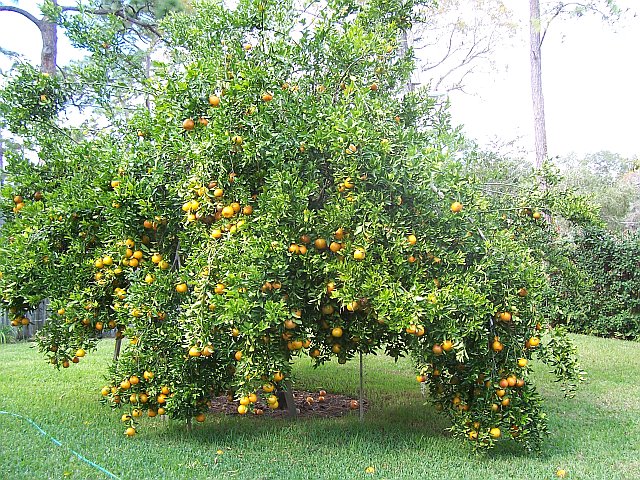
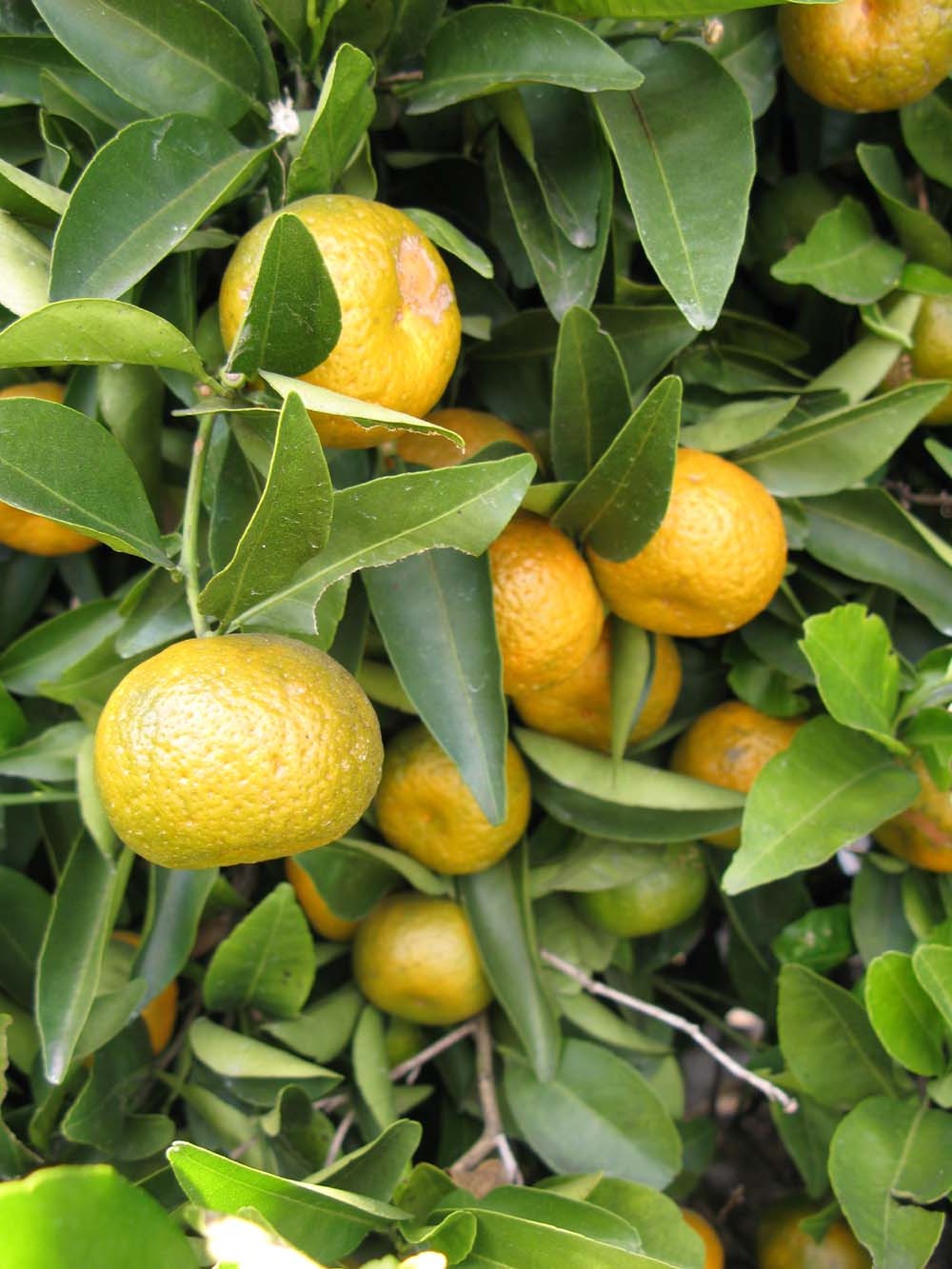
A subtropical citrus tree bearing orange to red fruit. It is cultivated for its sour fruit.
This description is brief — help expand it
Edible Uses
The sour fruit are eaten raw with salt and can be dried and stored.
Traditional Uses
The fruit are sour and are eaten raw with salt. They can be dried and stored.
This uses section is brief — help expand it
Medicinal Uses
This species is used for medicinal and spiritual purposes by the Garo people. The fruit is used to treat jaundice and stomach conditions in humans and animals, and it was used to treat smallpox. It is also used for spiritual purposes.
Distribution
It is a subtropical plant.
Where It Grows
Asia, India, Northeastern India,
Other Information
It is a cultivated plant.
Notes
There are 20 Citrus species. Several hybrids have been formed.
Also Known As
Memang narang, Mimang-Narang, Sa kymphrai, Soh lumphlair
References (6)
- Sangma, A. j. T., 2018, Non-timber forest products (NTFPs) used by Garo tribe of Rongram block in West Garo Hills, Meghalaya. Indian Journal of Traditional Knowledge Vol 18 (1), pp 151-161
- Singh, B., et al, 2012, Wild edible plants used by Garo tribes of Nokrek Biosphere Reserve in Meghalaya, India. Indian Journal of Traditional Knowledge. 11(1) pp 166-171
- Stud. Citrol. 2:160, 164. 1928
- Upadhaya, A., et al, 2016, Utilization of wild Citrus by Khasi and Garo tribes of Meghalaya. Indian Journal of Traditional Knowledge. Vol. 15 (1):pp. 121-127
- Wiersema, J. H. & Leon, B., 2013, World Economic Plants. A Standard Reference CRC Press. 2nd Ed. p 180
Show all 6 references Hide references
- World Checklist of Useful Plant Species 2020. Royal Botanic Gardens, Kew