Citrus japonica cv japonica
(Thunb.) Swingle
Kumquat, Round kumquat
iNaturalist· cc-by-sa
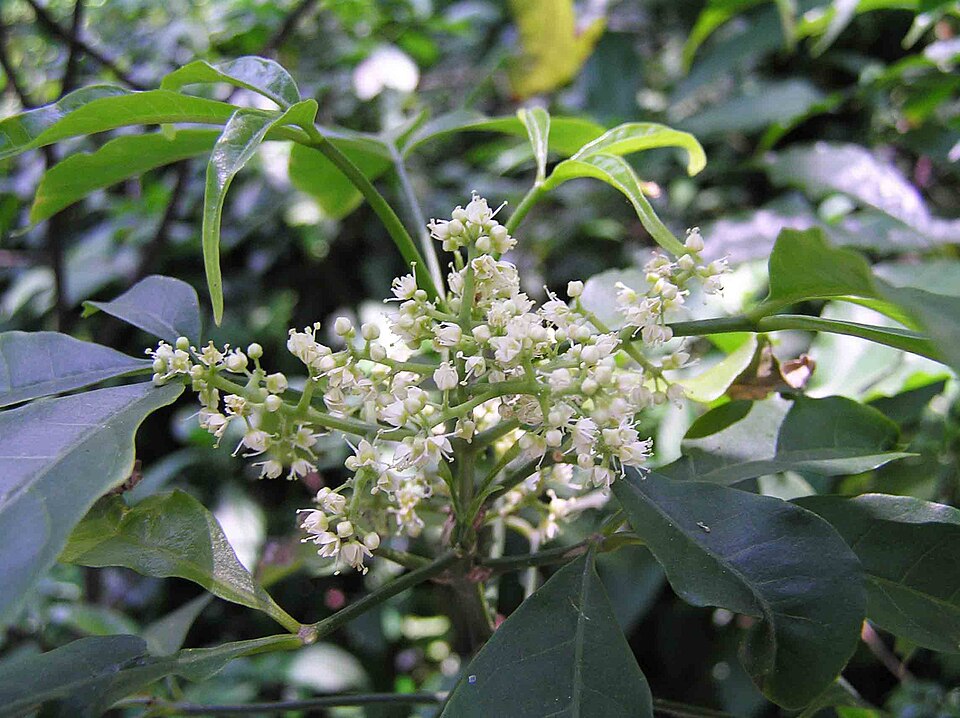
(c) Robin, some rights reserved (CC BY-SA)
iNaturalist· cc-by-nc-sa
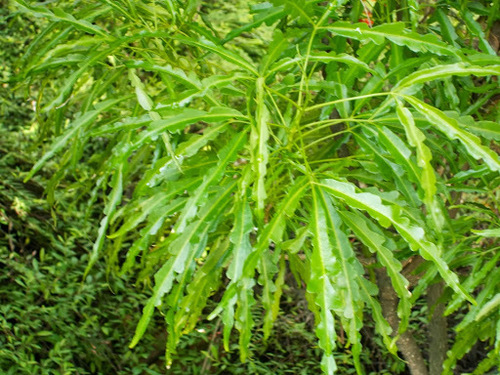
(c) 澎湖小雲雀, some rights reserved (CC BY-NC-SA)
iNaturalist· cc-by-nc-nd
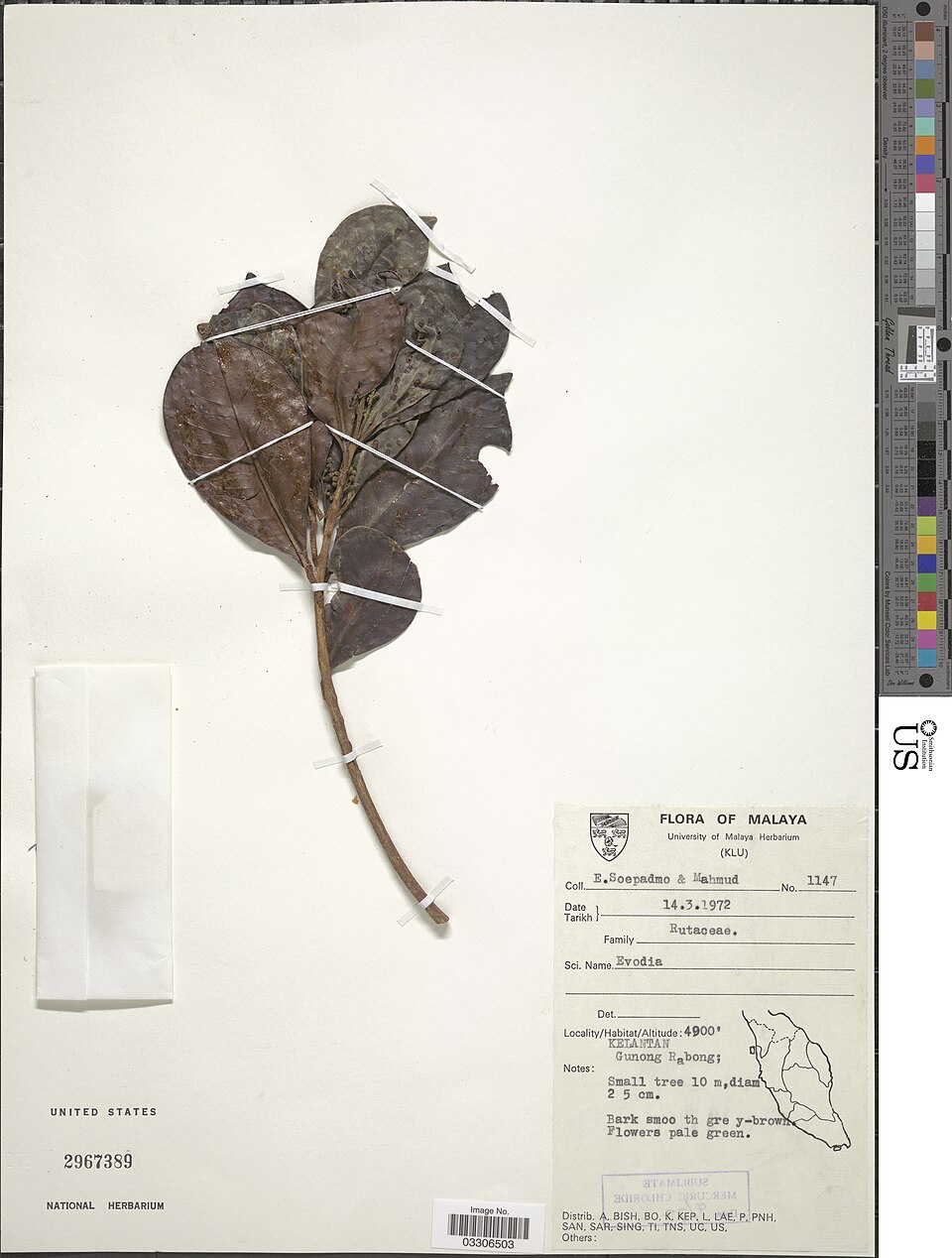
(c) Manuel Martín Vicente, some rights reserved (CC BY-NC-ND)
Summary
Source: WikipediaCitrus japonica, the round kumquat, Marumi kumquat, or Morgani kumquat, is a species of citrus fruit in the genus Citrus. It was first described by Carl Peter Thunberg in 1780 as Fortunella japonica. C. japonica is a native species in southern China.
Description
A small evergreen tree. It is thorny. It grows to about 4 m high. The leaves are simple and entire. They are up to 7 cm long. They have blunt tips. They are leathery. The flowers are white. The fruit are 3 cm across. They are smooth and shiny. They are divided into 4-7 compartments. They are yellow. The skin is thin and waxy and is spicy.
Edible Uses
The ripe fruit can be eaten whole or preserved, with seeds removed. They are commonly used for jams, jellies, and other preserves.
Traditional Uses
The ripe fruit can be eaten whole or preserved. They are used for jams and jellies. (The seeds are removed)
This uses section is brief — help expand it
Distribution
A tropical and subtropical plant. It grows in subtropical locations. In Nepal it grows between 1000-1500 m altitude. They can tolerate temperatures below freezing. They also show winter dormancy. It suits hardiness zones 9-10. Hobart Botanical Gardens.
Where It Grows
Africa, Asia, Australia, Brazil, Cameroon, Central Africa, China, East Africa, Fiji, Haiti, Himalayas, India, Indochina, Japan, Nepal, North Africa, Pacific, SE Asia, South Africa, Southern Africa, South America, Sri Lanka, Tasmania, Thailand, Vanuatu, Vietnam, West Indies,
Cultivation
Plants can be grown from seed.
Other Information
It is a cultivated food plant.
Notes
The Fortunella's will probably be renamed Citrus. There are 5 Fortunella species. These are now Citrus japonica.
Synonyms
Also Known As
Chin-chin, Kam kat, Kamquat-redondo, Kim quat, Kin kuit, Kin, Kuit xu, Marumi kumquat, Muntala, Quat, Round Golden orange, Som cheet, Tac, Yuan Jingan
References (36)
- Ambasta, S.P. (Ed.), 2000, The Useful Plants of India. CSIR India. p 227
- Arora, R. K., 2014, Diversity in Underutilized Plant Species - An Asia-Pacific Perspective. Bioversity International. p 72 (As Fortunella japonica)
- Bodkin, F., 1991, Encyclopedia Botanica. Cornstalk publishing, p 477
- Brickell, C. (Ed.), 1999, The Royal Horticultural Society A-Z Encyclopedia of Garden Plants. Convent Garden Books. p 443
- Brouk, B., 1975, Plants Consumed by Man. Academic Press, London. p 181
Show all 36 references Hide references
- Cheifetz, A., (ed), 1999, 500 popular vegetables, herbs, fruits and nuts for Australian Gardeners. Random House p 194
- Cundall, P., (ed.), 2004, Gardening Australia: flora: the gardener's bible. ABC Books. p 383 (As Citrus japonica)
- Elevitch, C.R.(ed.), 2006, Traditional Trees of the Pacific Islands: Their Culture, Environment and Use. Permanent Agriculture Resources, Holualoa, Hawaii. p 265
- Engel, D.H., & Phummai, S., 2000, A Field Guide to Tropical Plants of Asia. Timber Press. p 148
- Facciola, S., 1998, Cornucopia 2: a Source Book of Edible Plants. Kampong Publications, p 220
- Flora of China. Vol. 11, p 92
- Hibbert, M., 2002, The Aussie Plant Finder 2002, Florilegium. p 103
- Jardin, C., 1970, List of Foods Used In Africa, FAO Nutrition Information Document Series No 2.p 138
- John, L., & Stevenson, V., 1979, The Complete Book of Fruit. Angus & Robertson p 169
- J. Wash. Acad. Sci. 5:171. 1915
- Kiple, K.F. & Ornelas, K.C., (eds), 2000, The Cambridge World History of Food. CUP p 1798
- Lazarides, M. & Hince, B., 1993, Handbook of Economic Plants of Australia, CSIRO. p 116
- Lorenzi, H., Bacher, L., Lacerda, M. & Sartori, S., 2006, Brazilian Fruits & Cultivated Exotics. Sao Paulo, Instituto Plantarum de Estuados da Flora Ltda. p 598
- Lyle, S., 2006, Discovering fruit and nuts. Land Links. p 213
- Macmillan, H.F. (Revised Barlow, H.S., et al) 1991, Tropical Planting and Gardening. Sixth edition. Malayan Nature Society. Kuala Lumpur. p 315
- Manandhar, N.P., 2002, Plants and People of Nepal. Timber Press. Portland, Oregon. p 238
- Morton, J. F., 1987, Fruits of Warm Climates. Wipf & Stock Publishers p 183
- Plants for a Future database, The Field, Penpol, Lostwithiel, Cornwall, PL22 0NG, UK. http://www.scs.leeds.ac.uk/pfaf/
- Plants of Haiti Smithsonian Institute http://botany.si.edu/antilles/West Indies
- PROSEA (Plant Resources of South East Asia) handbook, Volume 2, 1991, Edible fruits and nut. p 169
- Purseglove, J.W., 1968, Tropical Crops Dicotyledons, Longmans. p 493
- Recher, P, 2001, Fruit Spirit Botanical Gardens Plant Index. www.nrg.com.au/~recher/ seedlist.html p 2
- Seidemann J., 2005, World Spice Plants. Economic Usage, Botany, Taxonomy. Springer. p 158 (As Fortunella)
- Solomon, C., 2001, Encyclopedia of Asian Food. New Holland. p 199
- USDA, ARS, National Genetic Resources Program. Germplasm Resources Information Network - (GRIN). [Online Database] National Germplasm Resources Laboratory, Beltsville, Maryland. Available: www.ars-grin.gov/cgi-bin/npgs/html/econ.pl (10 April 2000)
- Valder, P., 1999, The Garden Plants of China. Florilegium. p 250, 251
- van Wyk, B., 2005, Food Plants of the World. An illustrated guide. Timber press. p 197
- Walter, A. & Lebot, V., 2007, Gardens of Oceania. ACIAR Monograph No. 122. CD-ROM minor species p 10
- Wiersema, J. H. & Leon, B., 2013, World Economic Plants. A Standard Reference CRC Press. 2nd Ed. p 309
- Yamamoto, Masashi, 2014, Citrus Genetic Resources Grown on the Ryuku Uslands, Japan. Kagoshima University Research Center for the Pacific Islands. Occasional Papers No. 54 p 9 (As Citrus kinokuni)
- Young, J., (Ed.), 2001, Botanica's Pocket Trees and Shrubs. Random House. p 389