Citrus japonica cv crassifolia
Swingle
Large round kumquat
iNaturalist· cc-by-sa
(c) Robin, some rights reserved (CC BY-SA)
iNaturalist· cc-by-nc-sa
(c) 澎湖小雲雀, some rights reserved (CC BY-NC-SA)
iNaturalist· cc-by-nc-nd
(c) Manuel Martín Vicente, some rights reserved (CC BY-NC-ND)
Summary
Source: WikipediaCitrus japonica, the round kumquat, Marumi kumquat, or Morgani kumquat, is a species of citrus fruit in the genus Citrus. It was first described by Carl Peter Thunberg in 1780 as Fortunella japonica. C. japonica is a native species in southern China.
Description
A shrub or small tree. It often lacks thorns. The leaves are thick and rigid and often folded lengthwise. They have many dark green oil glands. The leaves are small. The leaf stalks have narrow wings. The fruit are oval or almost round. The fruit is small, orange and sweet. They are 3-4 cm across. The skin is edible. The fruit have about 7 segments.
Edible Uses
The fruit can be eaten raw with the skin included, or preserved in sugar.
Traditional Uses
The fruit can be eaten raw. The skin can be eaten. The fruit can be preserved in sugar.
This uses section is brief — help expand it
Distribution
It is widely grown in Chekiang province in China.
Where It Grows
Asia, Australia, China, Hawaii, Japan, North America, Pacific, Philippines, SE Asia, USA,
Other Information
It is a cultivated food plant.
Notes
There are 5 Fortunella species. This one is possibly a hybrid between the round and oval kumquats. These are now Citrus japonica.
Synonyms
Also Known As
Chintan, Gold marble, Jindan, Meiwa kumquat, Neihankinkan
References (16)
- Arora, R. K., 2014, Diversity in Underutilized Plant Species - An Asia-Pacific Perspective. Bioversity International. p 72 (As Fortunella crassifolia)
- Coronel, R.E., 1982, Fruit Collections in the Philippines. IBPGR Newsletter p 10
- Elevitch, C.R.(ed.), 2006, Traditional Trees of the Pacific Islands: Their Culture, Environment and Use. Permanent Agriculture Resources, Holualoa, Hawaii. p 265
- Facciola, S., 1998, Cornucopia 2: a Source Book of Edible Plants. Kampong Publications, p 220
- Hibbert, M., 2002, The Aussie Plant Finder 2002, Florilegium. p 103
Show all 16 references Hide references
- J. Wash. Acad. Sci. 5:172. 1915
- Kiple, K.F. & Ornelas, K.C., (eds), 2000, The Cambridge World History of Food. CUP p 1798
- Lyle, S., 2006, Discovering fruit and nuts. Land Links. p 213
- Morton, J. F., 1987, Fruits of Warm Climates. Wipf & Stock Publishers p 183
- PROSEA (Plant Resources of South East Asia) handbook, Volume 2, 1991, Edible fruits and nut. p 170
- Seidemann J., 2005, World Spice Plants. Economic Usage, Botany, Taxonomy. Springer. p 158 (As Fortunella)
- Staples, G.W. and Herbst, D.R., 2005, A tropical Garden Flora. Bishop Museum Press, Honolulu, Hawaii. p 507 (As Fortunella x crassifolia)
- Tanaka,
- USDA, ARS, National Genetic Resources Program. Germplasm Resources Information Network - (GRIN). [Online Database] National Germplasm Resources Laboratory, Beltsville, Maryland. Available: www.ars-grin.gov/cgi-bin/npgs/html/econ.pl (10 April 2000)
- Valder, P., 1999, The Garden Plants of China. Florilegium. p 251
- van Wyk, B., 2005, Food Plants of the World. An illustrated guide. Timber press. p 197
More from Rutaceae
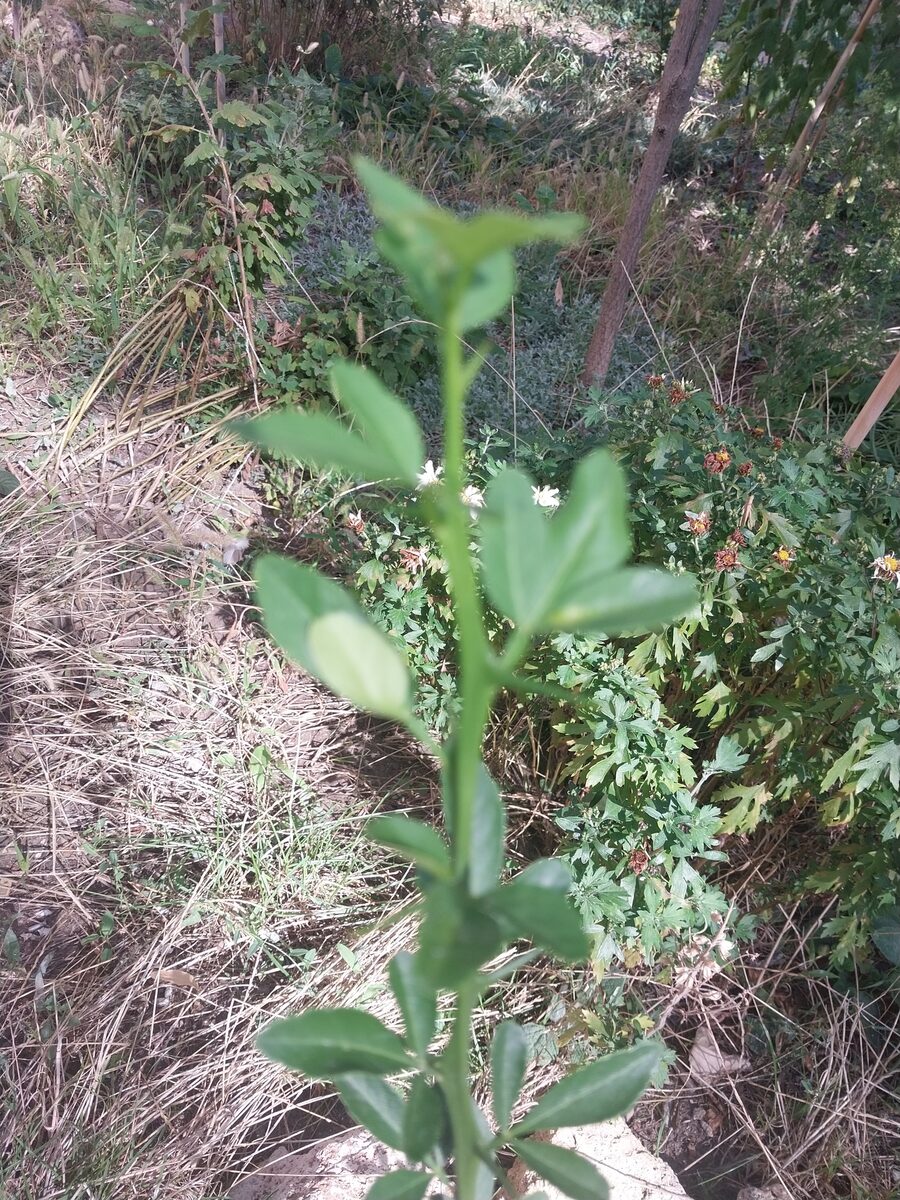
Poncirus trifoliata - (L.)Raf.
Bitter Orange, Hardy orange, Trifoliat Orange, Japanese Hardy Orange
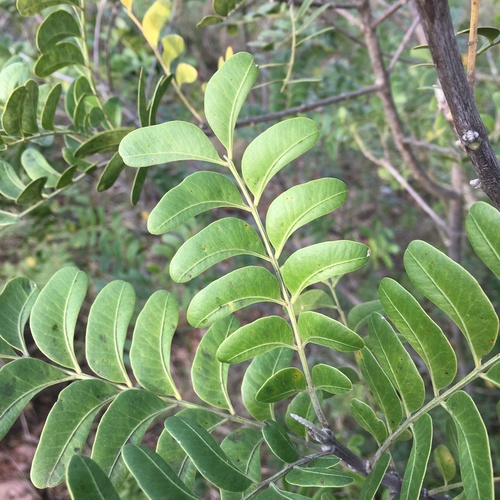
Ptaeroxylon obliquum
Sneezewood
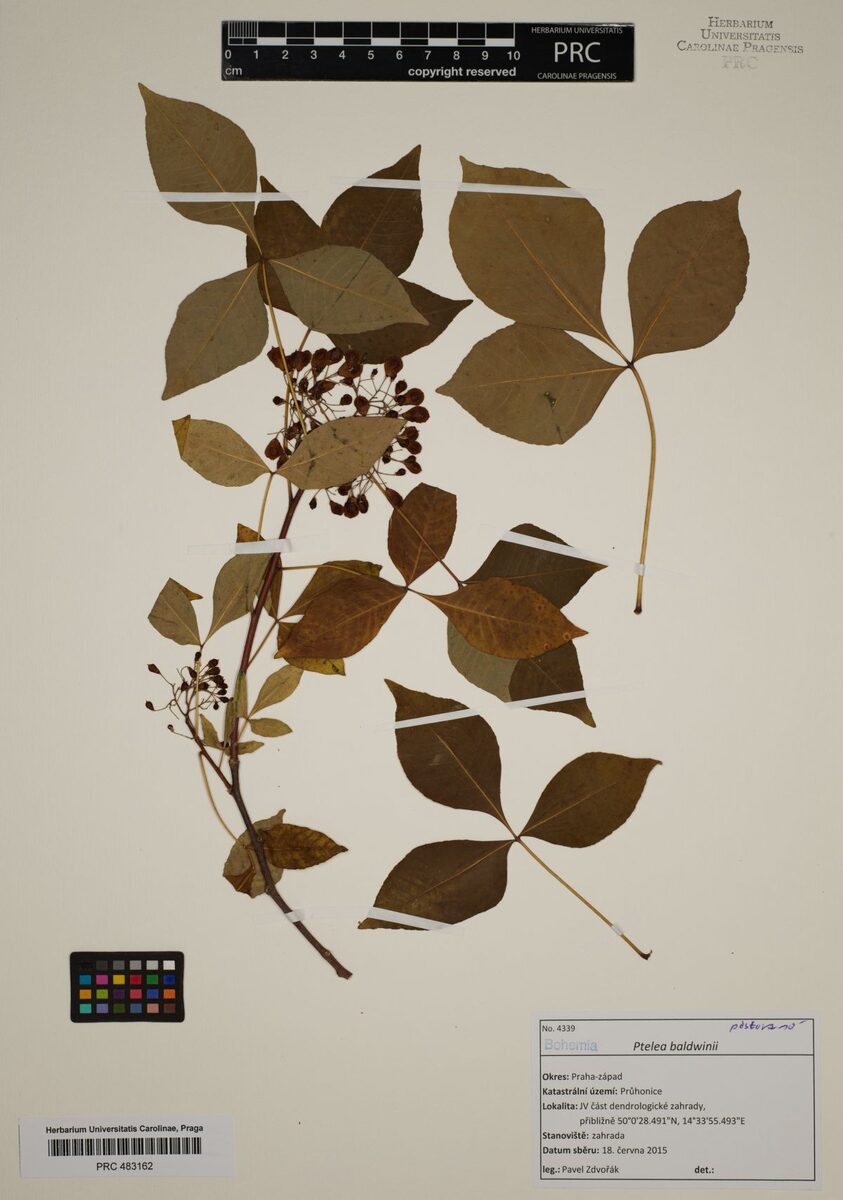
Ptelea baldwinii
Common hoptree
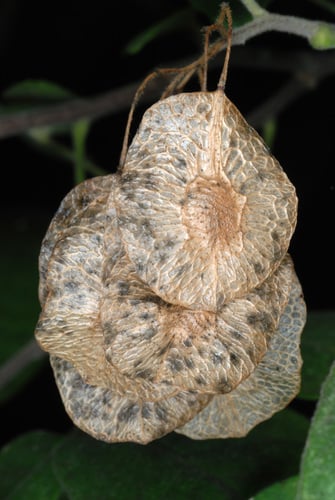
Ptelea trifoliata
Common hoptree, Water-ash, Stinking ash, Ague bark, Waferash, Shrubby trefoil, Hop tree
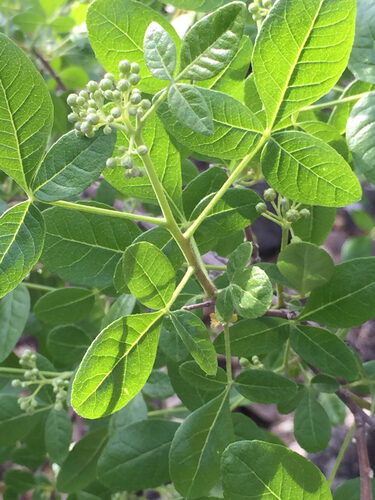
Ptelea trifoliata mollis
Hop Tree
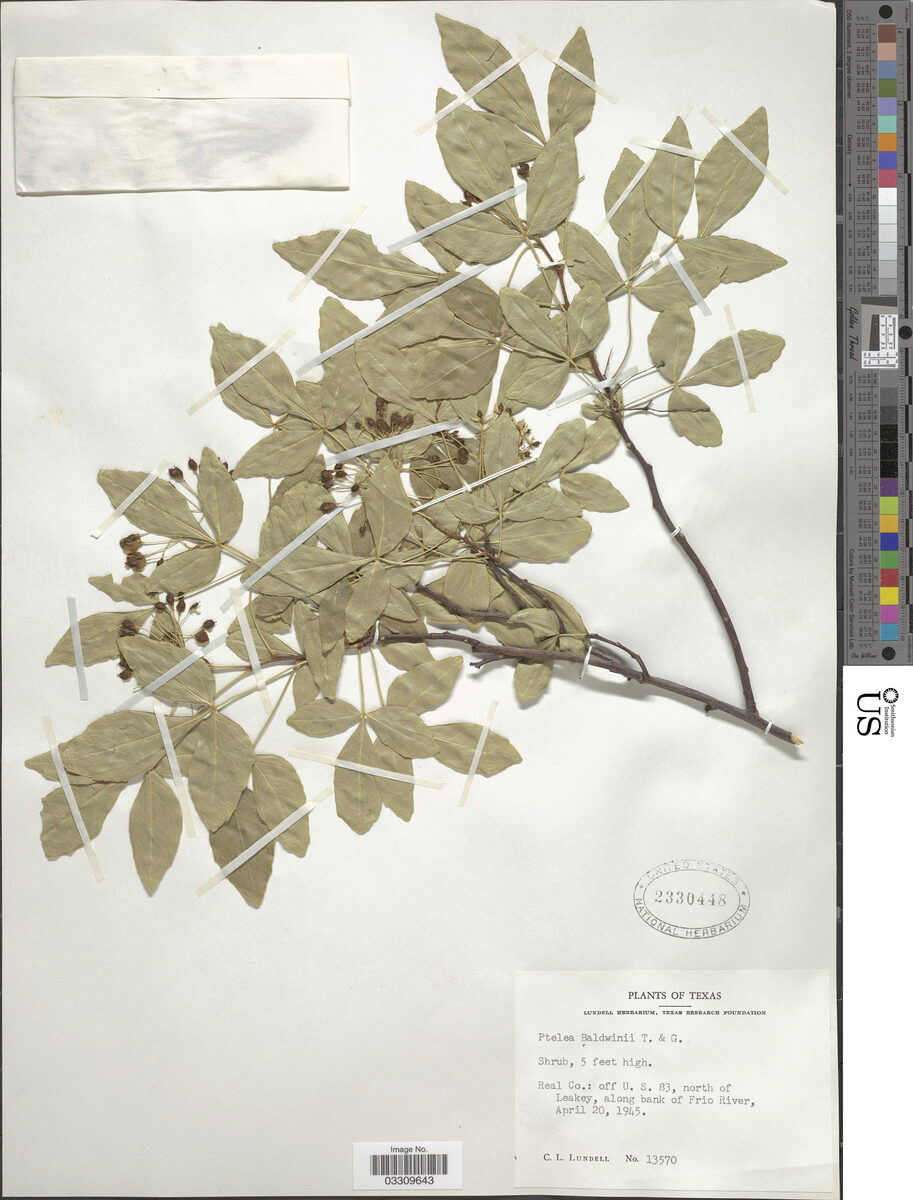
Ptelea trifoliata var. baldwinii