Citrus japonica
Thunb.
Hong Kong wild kumquat
wikimedia· cc-by
Phuong Tran (via Wikimedia Commons)
wikimedia· cc-by-sa
photo by Michael Saalfeld (via Wikimedia Commons)
gbif· cc-by-nc
桃子
iNaturalist· cc-by-nc-nd
(c) Manuel Martín Vicente, some rights reserved (CC BY-NC-ND)
iNaturalist· cc-by-nc
(c) 桃子, some rights reserved (CC BY-NC)
Summary
Source: WikipediaCitrus japonica, the round kumquat, Marumi kumquat, or Morgani kumquat, is a species of citrus fruit in the genus Citrus. It was first described by Carl Peter Thunberg in 1780 as Fortunella japonica. C. japonica is a native species in southern China.
Description
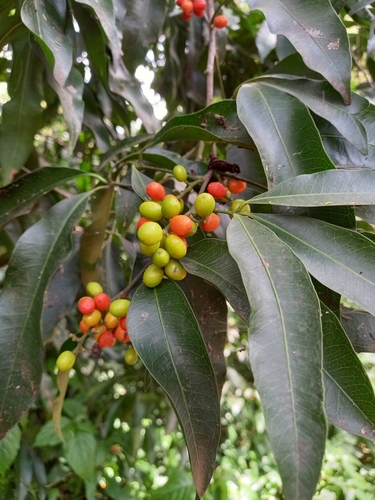
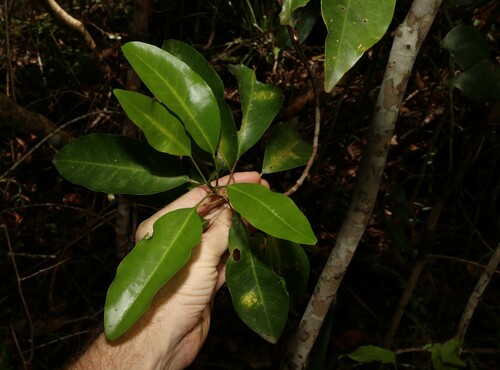
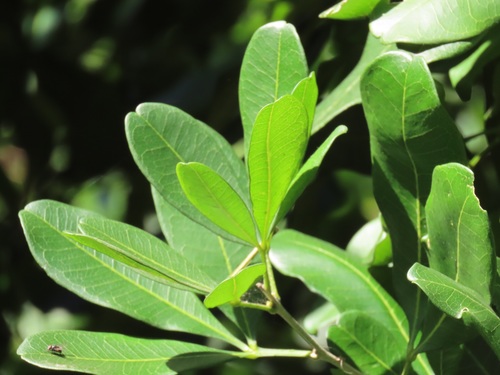
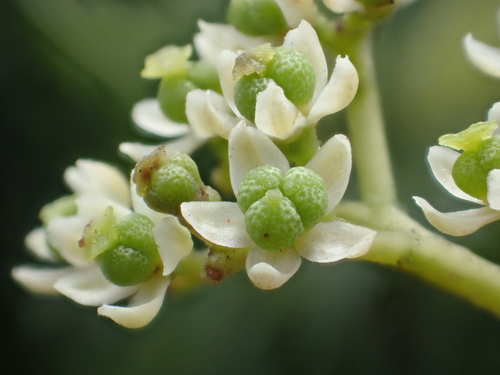
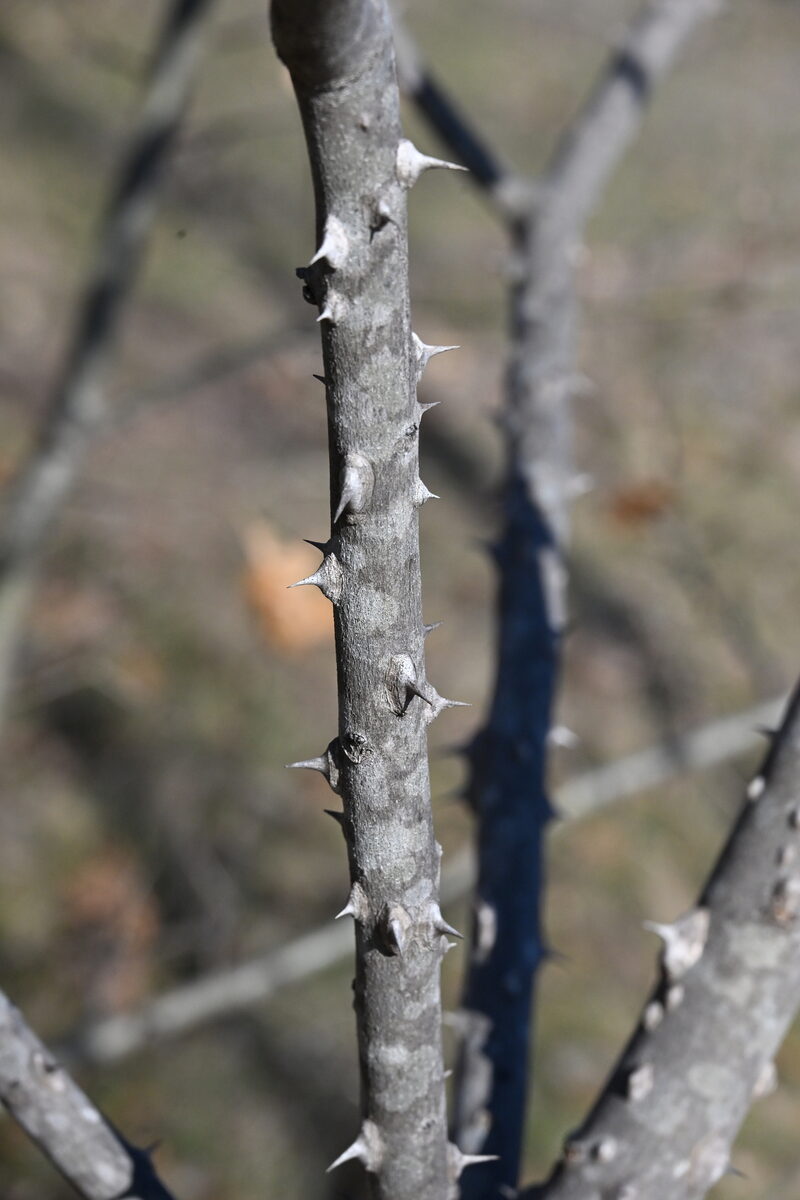
A shrub which keeps its leaves all year round. It grows about 2-4 m tall. It is spiny. The leaves are a narrow oval shape. They taper sharply at both ends. The leaf stalks have wings. The flowers are white, short and broad. The fruit are a flattened round shape. They are 1-2 cm across. They have 3-4 segments. The fruit become a bright orange when ripe.
Edible Uses
The fruit are used to make sweetmeats and candy, or preserved in honey and used as flavoring.
Traditional Uses
The fruit are used for sweetmeats and candy. The fruit are preserved in honey and used as flavouring.
This uses section is brief — help expand it
Distribution
It grows in subtropical locations.
Where It Grows
Asia, China*, Cuba, Fiji, Hainan, Hawaii, Hong Kong*, Japan, Korea, Mexico, Pacific, Samoa, SE Asia, Taiwan, USA, Vietnam, West Indies,
Production
It fruits during the winter months.
Other Information
It is a cultivated food plant.
Notes
The Fortunella's will probably be renamed Citrus. There are 5 Fortunella species.
Synonyms
Also Known As
Changshou kumquat, Chin chu, Chin tou, Formosan kumquat, Gold orange, Jin Gan, Kam quat, Kindzu, Long life kumquat, Shan chi kan
References (20)
- Altschul, S.V.R., 1973, Drugs and Foods from Little-known Plants. Notes in Harvard University Herbaria. Harvard Univ. Press. Massachusetts. no. 1946 (As Fortunella hindsii)
- Arora, R. K., 2014, Diversity in Underutilized Plant Species - An Asia-Pacific Perspective. Bioversity International. p 72 (As Fortunella hindsii) and (As Fortunella obovata)
- Elevitch, C.R.(ed.), 2006, Traditional Trees of the Pacific Islands: Their Culture, Environment and Use. Permanent Agriculture Resources, Holualoa, Hawaii. p 265 (As Fortunella hindsii)
- Facciola, S., 1998, Cornucopia 2: a Source Book of Edible Plants. Kampong Publications, p 220 (As Fortunella hindsii)
- Hu, Shiu-ying, 2005, Food Plants of China. The Chinese University Press. p 501
Show all 20 references Hide references
- John, L., & Stevenson, V., 1979, The Complete Book of Fruit. Angus & Robertson p 169 (As Fortunella hindsii)
- J. Wash. Acad. Sci. 5:175. 1915
- Lyle, S., 2006, Discovering fruit and nuts. Land Links. p 213 (As Fortunella hindsii)
- Mem. Tanaka Citrus Exp. Sta. 1:45. 1927 (As Fortunella obovata)
- Miguel, E., et al, 1989, A checklist of the cultivated plants of Cuba. Kulturpflanze 37. 1989, 211-357 (Also as Fortunella crassifolia, Fortunella japonica and Fortunella margarita)
- Morton, J. F., 1987, Fruits of Warm Climates. Wipf & Stock Publishers p 183 (As Fortunella hindsii)
- PROSEA handbook Volume 9 Plants yielding non-seed carbohydrates. p 188
- PROSEA (Plant Resources of South East Asia) handbook, Volume 2, 1991, Edible fruits and nut. p 169
- Segura, S., et al, 2018, The edible fruit species in Mexico. Genet Resour Crop Evol (2018) 65:1767–1793 (As Fortunella japonica and Fortunella margarita)
- Staples, G.W. and Herbst, D.R., 2005, A tropical Garden Flora. Bishop Museum Press, Honolulu, Hawaii. p 508
- USDA, ARS, National Genetic Resources Program. Germplasm Resources Information Network - (GRIN). [Online Database] National Germplasm Resources Laboratory, Beltsville, Maryland. Available: www.ars-grin.gov/cgi-bin/npgs/html/econ.pl (10 April 2000)
- Valder, P., 1999, The Garden Plants of China. Florilegium. p 250, 252
- Wiersema, J. H. & Leon, B., 2013, World Economic Plants. A Standard Reference CRC Press. 2nd Ed. p 309 (As Fortunella hindsii and Fortunella margarita)
- World Checklist of Useful Plant Species 2020. Royal Botanic Gardens, Kew
- Zeven, A. C. & de West, J. M. J., 1982, Dictionary of cultivated plants and their regions of diversity. Wageningen. p 45 (As Fortunella crassifolia and others)