Ulmus mexicana
(Liebm.) Planch.
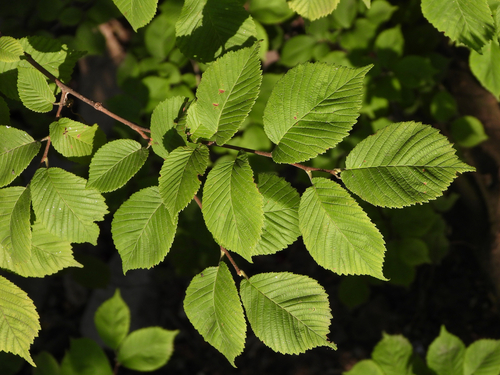
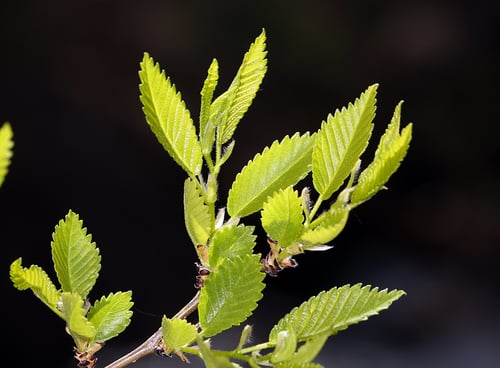
iNaturalist· cc-by
(c) Eric Knight, some rights reserved (CC BY)
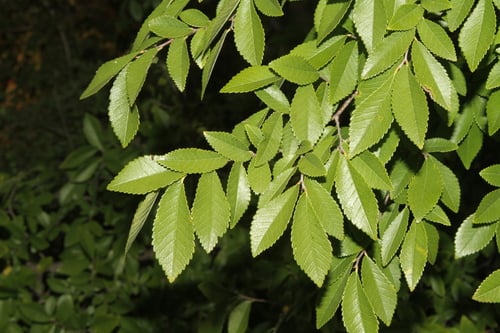
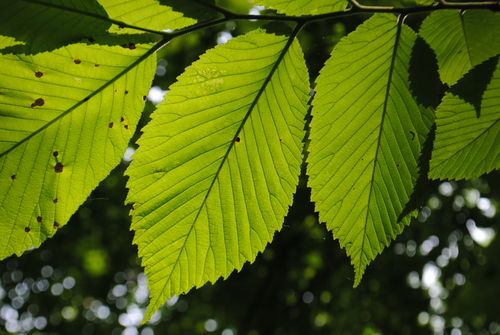
iNaturalist· cc-by-nc
(c) Roberto, some rights reserved (CC BY-NC)
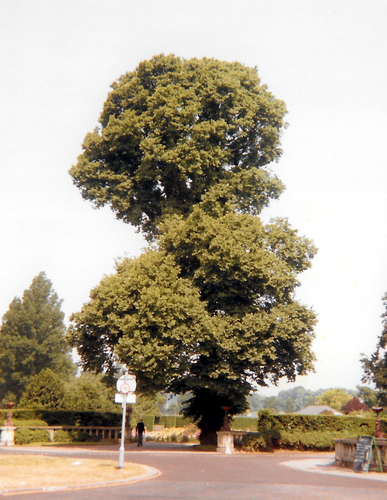
iNaturalist· cc-by-nc
(c) Roberto, some rights reserved (CC BY-NC)
Summary
Source: WikipediaUlmus mexicana, the Mexican elm, is a large tree endemic to Mexico and Central America. It is most commonly found in cloud forest and the higher elevations (800–2,200 m (2,600–7,200 ft)) of tropical rain forest with precipitation levels of 2–4 m (79–157 in) per year, ranging from San Luis Potosi south to Chiapas in Mexico, and from Guatemala to Panama beyond. The tree was first described botanically in 1873.
Description
A tree. It grows 25 m tall. The leaves are sword shaped to oval. They are 4-16 cm long by 2-7 cm wide. The fruit are oval and 9-11 mm long by 2.5-3 mm wide. The seeds is about 1.75 mm long by 1.25 mm wide.
Edible Uses
The fruit is eaten as a snack.
Traditional Uses
The fruit are eaten as a snack.
This uses section is brief — help expand it
Medicinal Uses
The bark is astringent. It is used locally in the treatment of coughs.
Distribution
It is a tropical plant.
Where It Grows
Central America, Mexico, Nicaragua, Panama,
Other Uses
The heartwood is deep reddish brown, often with darker streaks, while the thick band of sapwood is light brownish gray. The wood is fine-grained, rather hard, moderately heavy, very tough and strong, in structure much like that of the elm (Ulmus spp.). It takes a good polish. It is used for construction, railroad ties, cart axles, beds, and cart wheels]
Synonyms
Also Known As
Olmo, Tsaah
References (1)
- Kermath, B. M., et al, 2014, Food Plants in the Americas: A survey of the domesticated, cultivated and wild plants used for Human food in North, Central and South America and the Caribbean. On line draft. p 887