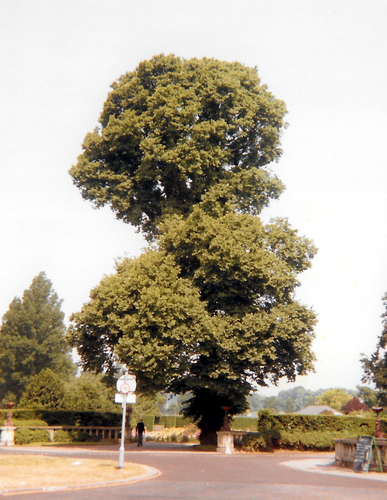
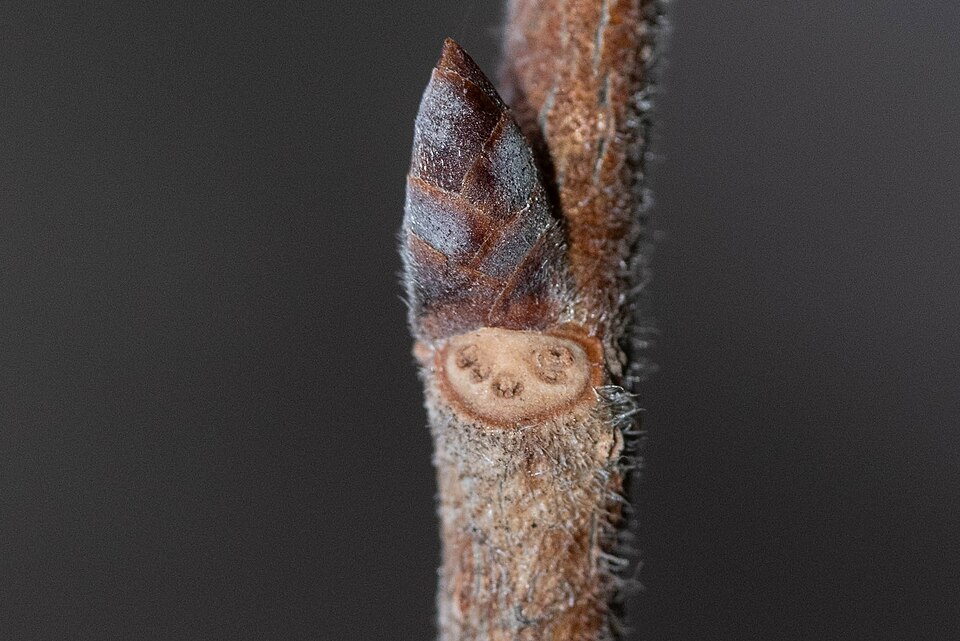
Ulmus campestris
L.
English Elm
iNaturalist· cc-by-nc
(c) François Plourde - Renard frak, some rights reserved (CC BY-NC)
iNaturalist· cc-by-nc
(c) François Plourde - Renard frak, some rights reserved (CC BY-NC)
iNaturalist· cc-by-nc
(c) François Plourde - Renard frak, some rights reserved (CC BY-NC)
Description
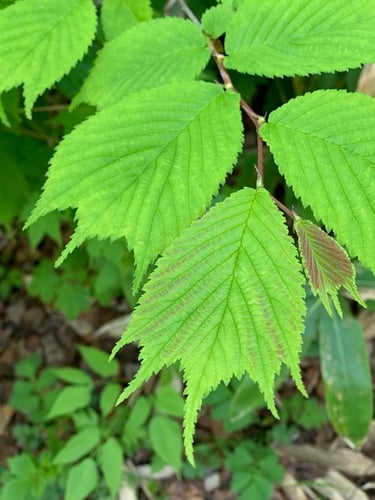
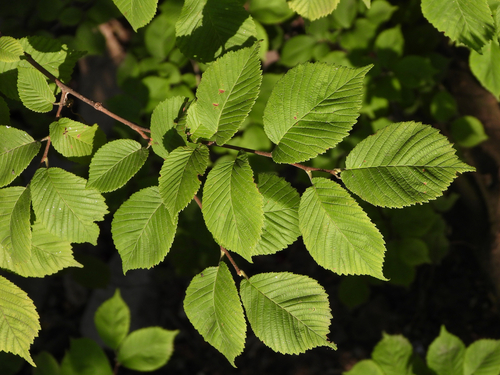
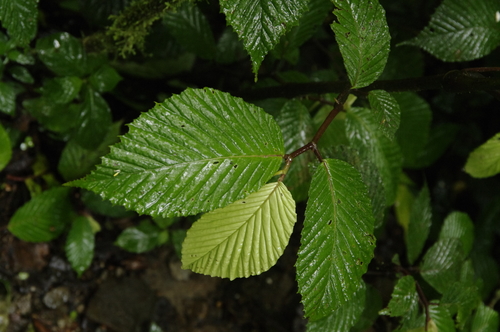
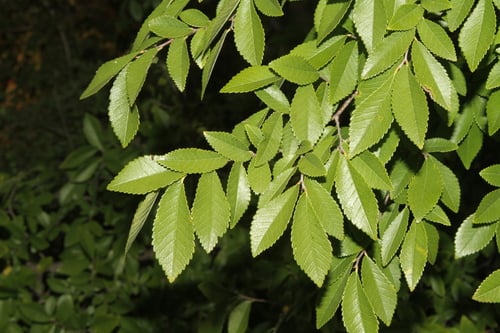
A tree which loses its leaves during the year. It grows 30 m high. The bark is smooth and brown-grey. It can become cracked later. The leaves are simple and alternate. They taper to long points at the tip. They are uneven at the base. There are teeth along the edge. The flowers appear before the leaves. The flowers have red-purple anthers. The fruit have a broad wing.
Edible Uses
The leaves are boiled then eaten with oil and salt. The inner bark is removed, powdered, steamed and eaten. The seeds are eaten fresh and are high in protein (34%) and fat (28.2%). The very young fruits just after formation are added to salads. Plant parts are naturally slimy.
Traditional Uses
The leaves are boiled then eaten with oil and salt. The inner bark is removed, powdered, steamed and eaten. The seeds are eaten but cause drowsiness if eaten in large amounts. Plant parts are slimy. The very young fruits just after they are starting to form are added to salads.
Known Hazards
Seeds cause drowsiness if eaten in large amounts.
Distribution
It grows well in cool, deep, fertile soils.
Where It Grows
Africa, Asia, Australia, China, Europe, Greece, Italy, Mediterranean, North Africa, North America, Norway, Russia, San Marino, Scandinavia, USA,
Cultivation
Plants are grown from seed. They can also be grown from suckers.
Notes
Chemical composition (seeds): Protein = 34%. Carbohydrate = 17%. Fat = 28.2%. Ash = 5%.
Synonyms
References (5)
- Bianchini, F., Corbetta, F., and Pistoia, M., 1975, Fruits of the Earth. Cassell. p 54
- READ,
- Schuler, S., (Ed.), 1977, Simon & Schuster's Guide to Trees. Simon & Schuster. No. 179
- Sfikas, G., 1984, Trees and shrubs of Greece. Efstathiadis Group. Athens. p 140
- Sp. pl. 1:225. 1753 - application of this name uncertain\; based on discordant elements\; U. campestris auct. = U. minor