Magnolia ovata
(A. St.-Hil.) Spreng.
Baguacu
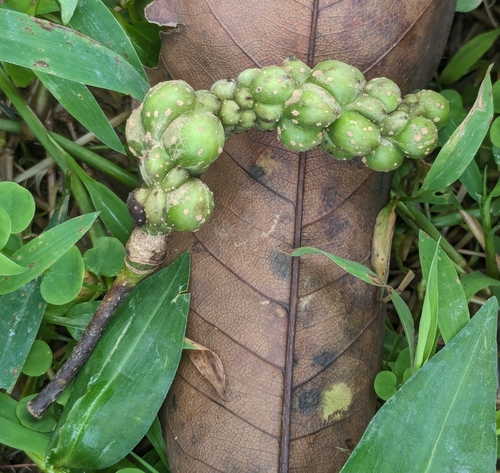
iNaturalist· cc-by-nc
(c) Ricardo da Silva Ribeiro, some rights reserved (CC BY-NC), uploaded by Ricardo da Silva Ribeiro
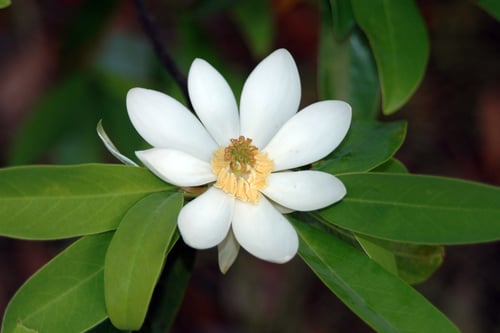
iNaturalist· cc-by-nc
(c) Ricardo da Silva Ribeiro, some rights reserved (CC BY-NC)
Description
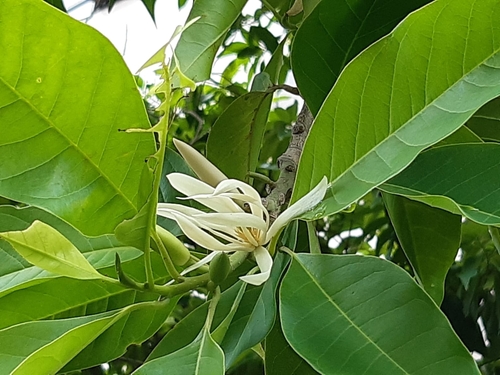
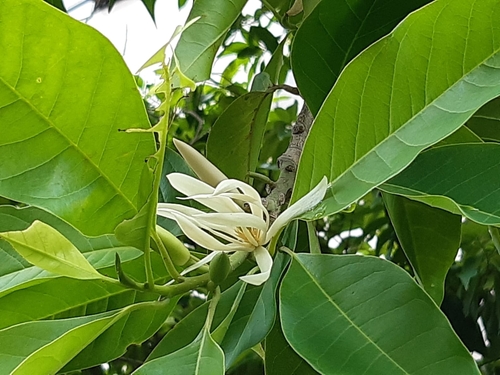
Magnolia ovata is a tropical tree in the Magnoliaceae family that grows 8–15 m tall in cultivation and can reach 30 m in forest settings. It produces edible fruit and leaves.
Edible Uses
Leaves are used to make tea. The fruit is also edible.
Traditional Uses
Leaves are used for tea.
This uses section is brief — help expand it
Medicinal Uses
Leaves are used for tea.
Known Hazards
The plant is toxic in all but small doses.
Distribution
It is a tropical plant. In Sydney Botanical Gardens.
Where It Grows
Amazon, Australia, Brazil, Ecuador, South America*,
Cultivation
Grows well in a sunny position. Succeeds in moist to wet soils. A slow-growing tree.
Propagation
Seed - best sown as soon as it is ripe in a partially shaded position in individual containers. A very low germination rate can be expected, with the seed sprouting within 40 - 100 days. The seedlings grow slowly and they should be ready to plant out 12 months or more later. The seed has a very short viability of less than 30 days in storage.
Other Uses
The sapwood and heartwood are not distinctly demarcated. The wood is moderately heavy, not durable and subject to the attack of insects. It is used for perfume boxes, toys, spools, linings, internal carpentry, wainscotings, coffins and boxes in general.
Synonyms
Also Known As
Bia-guacu, Talauma
References (4)
- Burkill, I.H., 1966, A Dictionary of the Economic Products of the Malay Peninsula. Ministry of Agriculture and Cooperatives, Kuala Lumpur, Malaysia. Vol 2 (I-Z) p 2158 (As Talauma ovata)
- Kermath, B. M., et al, 2014, Food Plants in the Americas: A survey of the domesticated, cultivated and wild plants used for Human food in North, Central and South America and the Caribbean. On line draft. p 852 (As Talauma ovata)
- World Checklist of Useful Plant Species 2020. Royal Botanic Gardens, Kew
- www.colecionandofrutas.org