Cissus petiolata
Hook.
iNaturalist· cc-by-nc
(c) Nicholas Wightman, some rights reserved (CC BY-NC)
iNaturalist· cc-by-nc
(c) Nicholas Wightman, some rights reserved (CC BY-NC)
iNaturalist· cc-by-nc
(c) Nicholas Wightman, some rights reserved (CC BY-NC)
Description
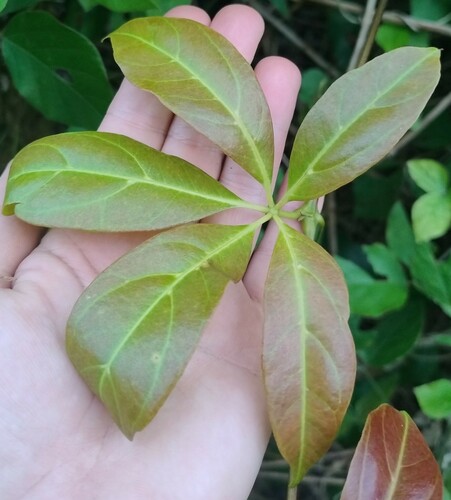
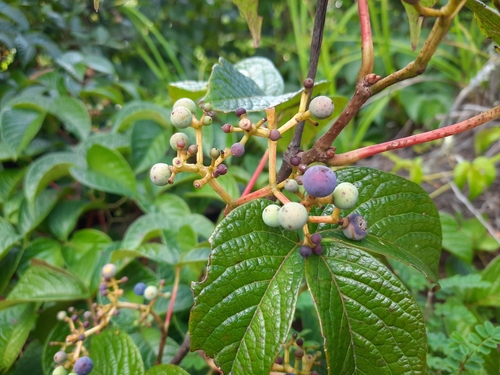
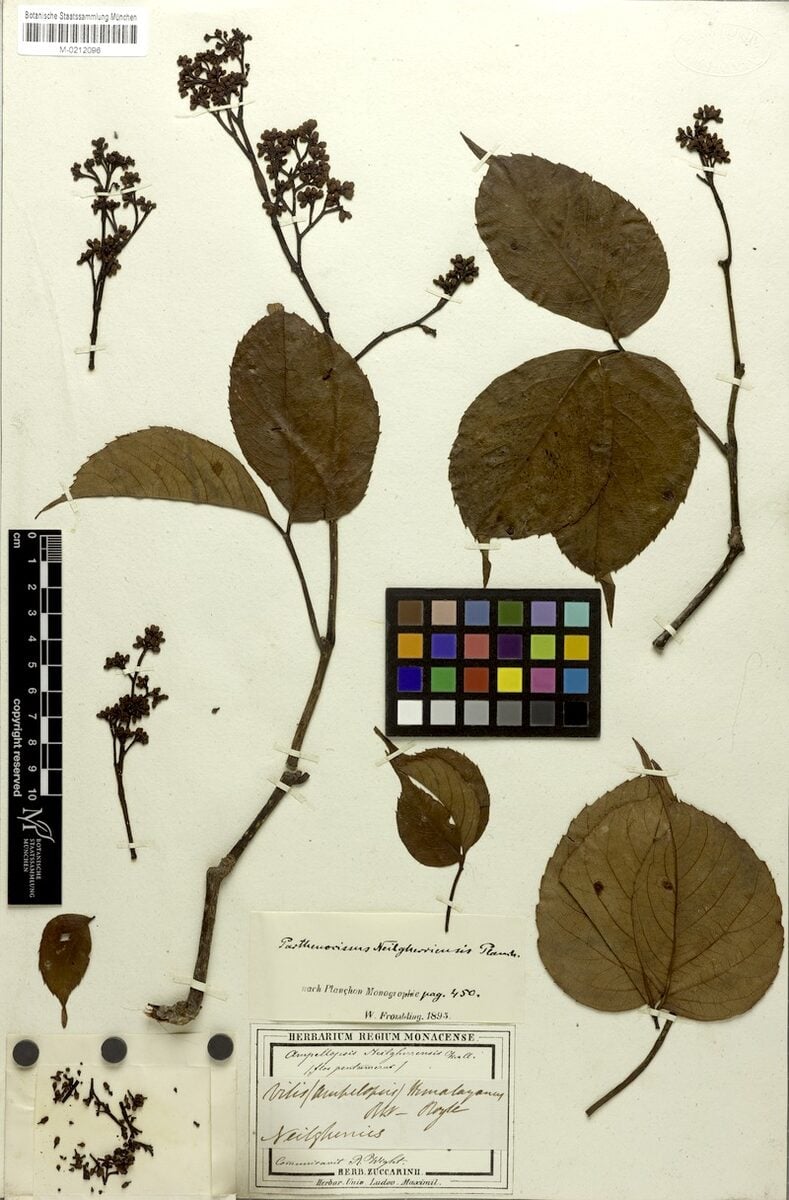
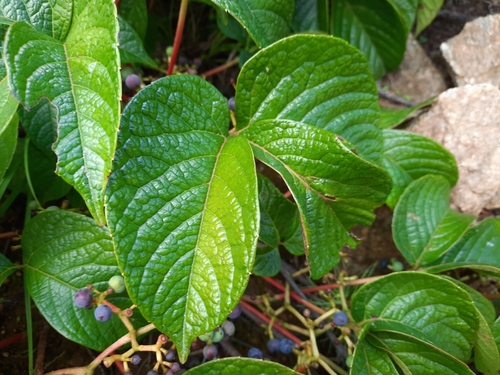
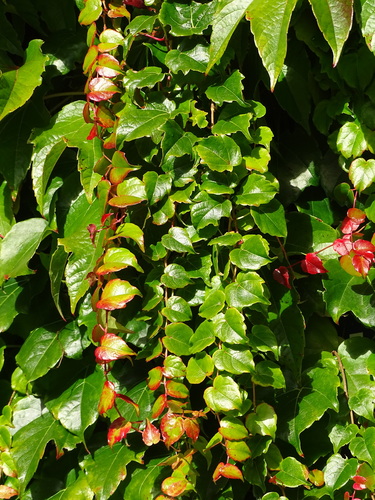
A creeper. The young stems are 4 sided. Older stems are 3-4 cm across. There are broad corky wings. It has simple tendrils. The leaves are simple and broadly oval. They are 13 cm long by 13 cm wide. They are heart shaped at the base. There are slight teeth along the edges. The leaf stalk is 11 cm long. The flowers are in branched clusters in the axils of leaves or near the ends of branches. The fruit are oval and 8 mm across.
Edible Uses
The seeds are cooked and eaten. The leaves can also be eaten.
Traditional Uses
The seeds are cooked and eaten.
This uses section is brief — help expand it
Distribution
A tropical plant. It grows in lowland rainforest. It suits humid locations. It Malawi it grows between 750-1,100 m altitude.
Where It Grows
Africa, Angola, Burkina Faso, Central Africa, Congo, East Africa, Ethiopia, Guinea, Guinée, Malawi, Mozambique, Southern Africa, Sudan, West Africa, Zambia, Zimbabwe,
Notes
There are about 200-350 Cissus species. There are about 75 species in tropical America.
Synonyms
Also Known As
Cigoti, Tebelebe
References (4)
- Bongers, F. et al (Eds), Forest Climbing Plants of West Africa: Diversity, Ecology and Management. CABI
- Fowler, D. G., 2007, Zambian Plants: Their Vernacular Names and Uses. Kew. p 63
- Martin, F.W. & Ruberte, R.M., 1979, Edible Leaves of the Tropics. Antillian College Press, Mayaguez, Puerto Rico. p 224
- White, F., Dowsett-Lemaire, F. and Chapman, J. D., 2001, Evergreen Forest Flora of Malawi. Kew. p 596