Nothocissus sterculiifolia
(F. Muell. ex Benth.) Planchon
Yaroong, Long-leaved grape
iNaturalist· cc-by-nc
(c) R.M, some rights reserved (CC BY-NC)
iNaturalist· cc-by-nc
(c) R.M, some rights reserved (CC BY-NC)
iNaturalist· cc-by-nc
(c) R.M, some rights reserved (CC BY-NC)
Description
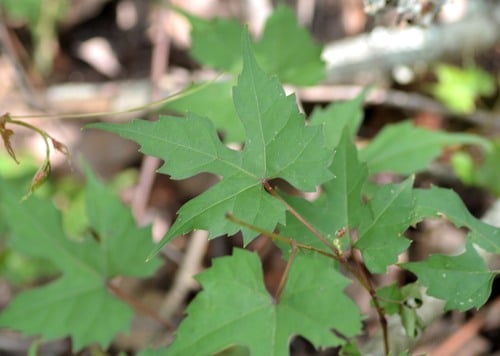
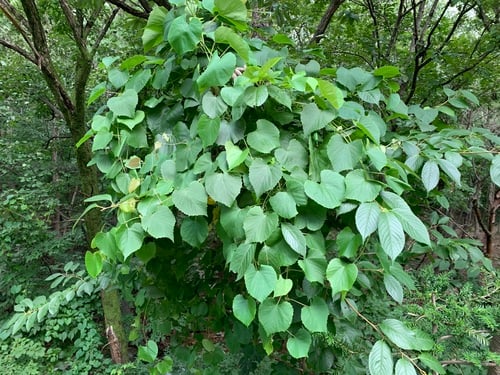
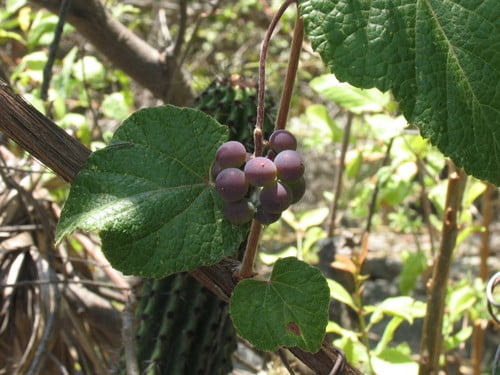
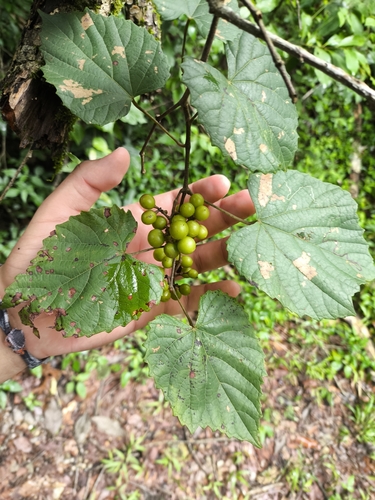
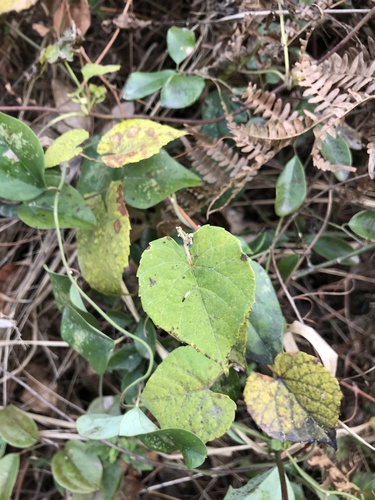
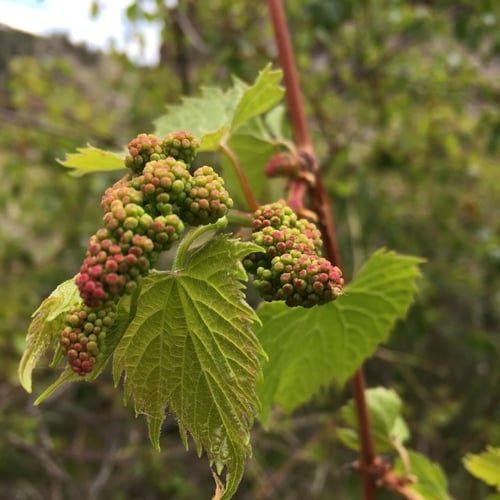
An evergreen vine. It grows to 5-20 m high. The stems are woody, slender and branching. It has tendrils. The leaves are oblong and compound. They are divided into 3(-5) lobes or leaflets. The leaflets can be 7-16 cm long and narrowed towards the base. They are green on both surfaces with light saw teeth along the edge. The flower are small and in clusters near the leaves. The flowers are about 4 mm across and green. The fruit are oval berries 1.5-2 cm across. They are dark red and ripen to black. They hang in bunches along the stem.
Edible Uses
The fruit are eaten, though they have a mouth-burning quality.
Traditional Uses
The fruit are eaten but burn the mouth.
This uses section is brief — help expand it
Known Hazards
The fruit burn the mouth when eaten.
Distribution
A tropical plant. It grows in rainforests. It prefers well composted, well drained, moist soil. It can grow in a shady position but also in the sun. It is drought and frost tender.
Where It Grows
Australia*, Pacific, Papua New Guinea, PNG,
Cultivation
Plants are grown from stem cuttings. They can also be grown from seed.
Production
Fruit are ripe in Australia from February to October.
Notes
There are about 200-350 Cissus species. There are about 75 species in tropical America.
Synonyms
References (5)
- Bodkin, F., 1991, Encyclopedia Botanica. Cornstalk publishing, p 259 (As Cissus sterculiifolia)
- Cooper W & Cooper W T, 1994, Fruits of the Rain Forest. RD Press p 74 (As Cissus sterculiifolia)
- Elliot, W.R., & Jones, D.L., 1984, Encyclopedia of Australian Plants suitable for cultivation. Vol 3. Lothian. p 40 (As Cissus sterculiifolia)
- Jackes, B.R., 2001, Plants of the Tropics. Rainforest to Heath. An Identification Guide. James Cook University. p 86 (As Cissus sterculiifolia)
- Ratcliffe D & P., 1987, Australian Native Plants for Indoors. Little Hills press. p 70 (As Cissus sterculiifolia)