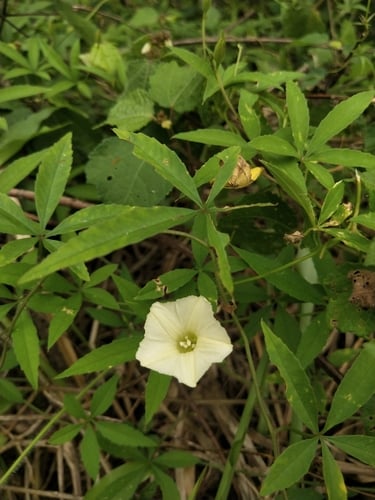
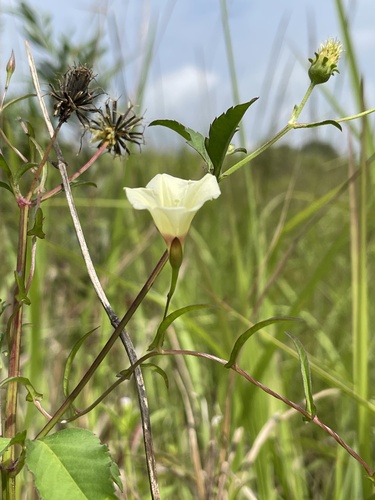
Ipomoea bracteata
Cav.
Wild Jicama
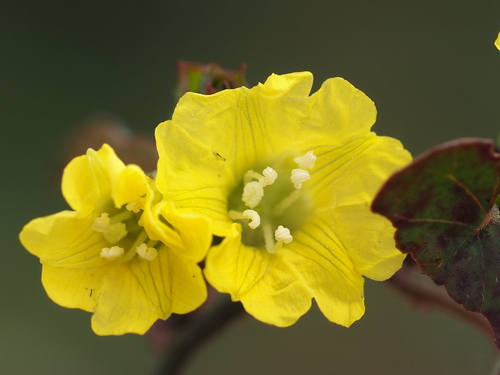
iNaturalist· cc-by-nc
(c) olivercruz1, some rights reserved (CC BY-NC)
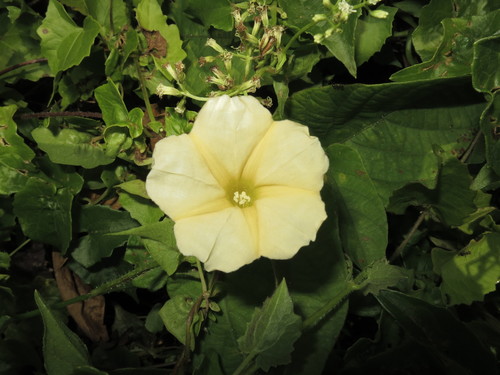
iNaturalist· cc-by-nc
(c) Carlos Galindo-Leal, some rights reserved (CC BY-NC)
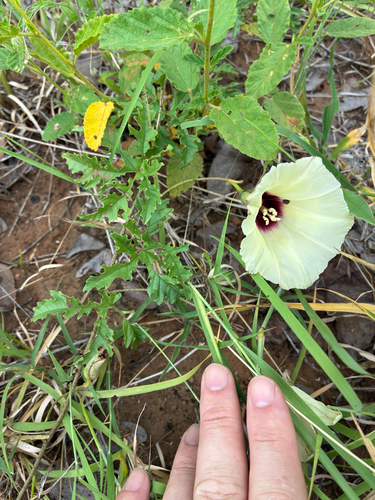
iNaturalist· cc-by-nc
(c) Carlos Galindo-Leal, some rights reserved (CC BY-NC)
Summary
Source: WikipediaIpomoea bracteata is a species of plant in the bindweed family Convolvulaceae. It is endemic to Mexico.
Description
A tropical vine in the morning glory family, also cultivated as a food plant.
This description is brief — help expand it
Edible Uses
The roots and tubers are eaten raw or cooked.
Traditional Uses
The roots are eaten raw or cooked.
This uses section is brief — help expand it
Distribution
It is a tropical plant.
Where It Grows
Mexico,
Cultivation
A plant of subtropical to tropical areas where it is found at elevations from near sea level to over 1,500 metres.
Other Information
It is also cultivated.
Synonyms
Also Known As
Azalia de la barranca, Bejuco blanco, Camote blanco, Catispa, Chile pato, Jicama, Papada de gallo
References (5)
- Kermath, B. M., et al, 2014, Food Plants in the Americas: A survey of the domesticated, cultivated and wild plants used for Human food in North, Central and South America and the Caribbean. On line draft. p 450
- Piedra-Malagón, E. M. et al, 2022, Edible native plants of the Gulf of Mexico Province. Biodiversity Data Journal 10: e80565 p 17
- Pio-Leon, J. F., et al, 2017, Prioritizing Wild Edible Plants of potential new crops based on Deciduous Forest traditional knowledge by a Rancher community. Botanical Sciences 95(1): 47-59
- Wiersema, J. H. & Leon, B., 2013, World Economic Plants. A Standard Reference CRC Press. 2nd Ed. p 366
- World Checklist of Useful Plant Species 2020. Royal Botanic Gardens, Kew