Heliconia rostrata
Ruiz & Pav.
False bird-of-paradise, Hanging lobster claw
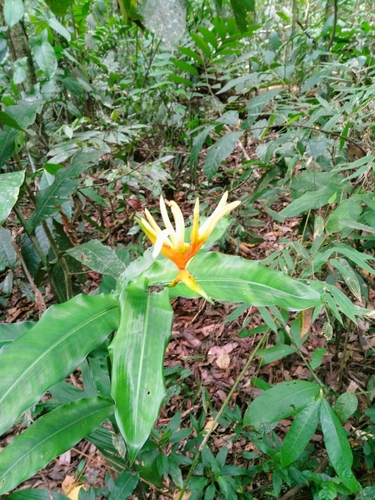
iNaturalist· cc-by-nc
(c) c62qc04, some rights reserved (CC BY-NC)
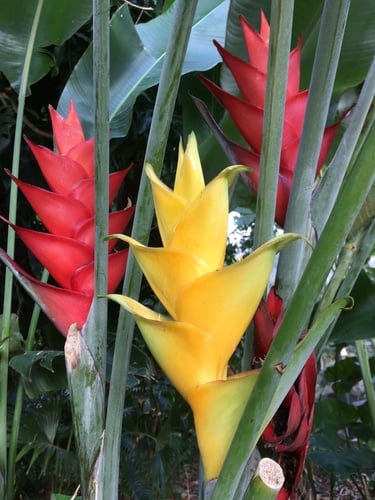
iNaturalist· cc-by-nc
(c) Wendy Feltham, some rights reserved (CC BY-NC), uploaded by Wendy Feltham
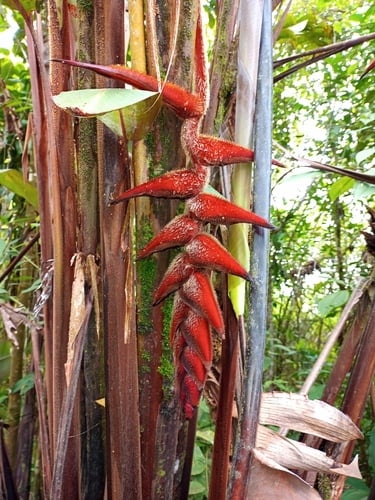
iNaturalist· cc-by-nc
(c) Mattia, some rights reserved (CC BY-NC), uploaded by Mattia
Summary
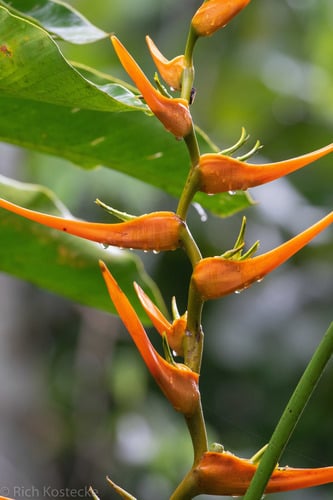
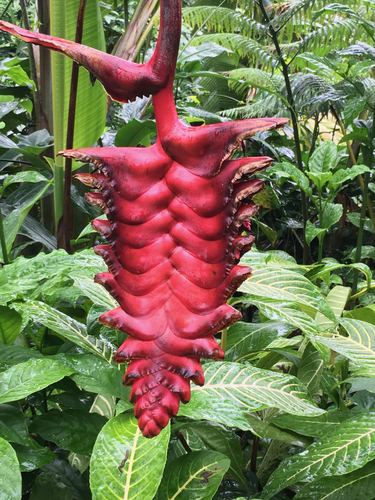
Source: WikipediaHeliconia rostrata, the hanging lobster claw or false bird of paradise, is a herbaceous perennial plant native to El Salvador, Peru, Bolivia, Colombia, Venezuela, Costa Rica, and Ecuador, and naturalized in Puerto Rico. It is found in tropical rainforests, as it thrives in warm and humid environments. The inflorescences of many other heliconias grow vertically, facing upwards (e.g. Heliconia bihai), their cup-shaped bracts storing water for birds and insects. This plant, however, has pendulous inflorescences with the bracts facing downwards, the flowers nestled underneath. Without the collection of rainwater in the bracts, the flowers within them provide a source of undiluted nectar. Heliconias are known to those who grow them as a host flower to many birds, especially hummingbirds. Because of its unique characteristics, it is often used as a specimen for tropical gardens and is commonly found in landscaped areas within humid and tropical regions. Along with the cantuta flower, Heliconia rostrata, known as patujú, is the national flower of Bolivia.
Description
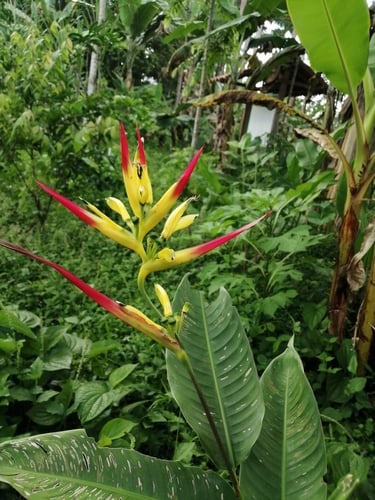
A herb. It keeps growing from year to year. The leaf stalks can be 7 m long and look like banana leaves. The leaves are 1-2 m long. The flowers hang downward. The bracts are yellow with green tips. They are like a parrot's beak.
Edible Uses
The roots are edible.
Distribution
It is a tropical plant. It grows in areas with good moisture and soil.
Where It Grows
Amazon, Andes, Argentina, Asia, Bolivia, Colombia, Ecuador, Fiji, Indonesia, Pacific, Peru, Rotuma, SE Asia, South America*, Venezuela,
Cultivation
Plants can be grown from seeds or division of the rhizome.
Also Known As
Caete, Helikonia cakar lobster
References (2)
- Kermath, B. M., et al, 2014, Food Plants in the Americas: A survey of the domesticated, cultivated and wild plants used for Human food in North, Central and South America and the Caribbean. On line draft. p 411
- Sukarya, D. G., (Ed.) 2013, 3,500 Plant Species of the Botanic Gardens of Indonesia. LIPI p 1115