Citrus x aurantium
L.
Natsumikan, Amanatsu
iNaturalist· cc-by
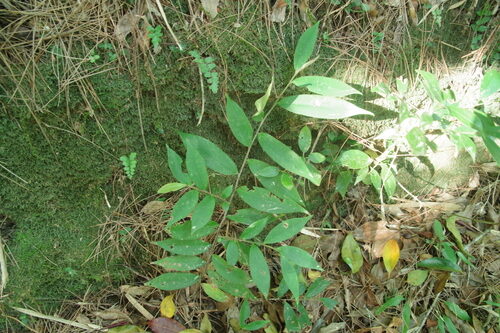
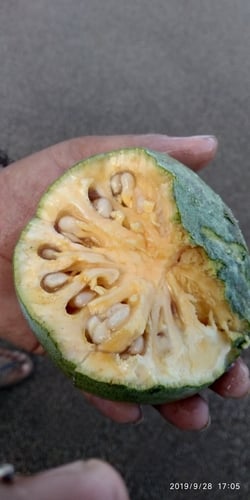
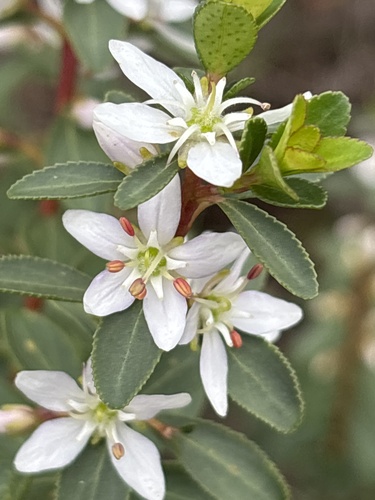
(c) Brandon Corder, some rights reserved (CC BY)
iNaturalist· cc-by-nc
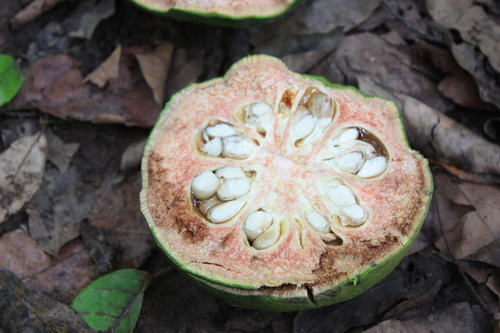
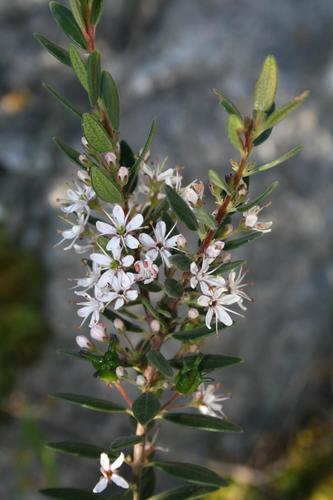
(c) Audrey Lux, some rights reserved (CC BY-NC)
iNaturalist· cc-by-nc
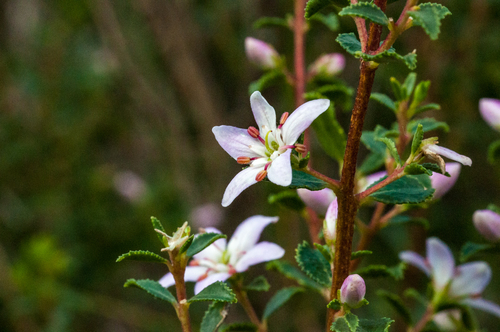
(c) Audrey Lux, some rights reserved (CC BY-NC)
Description
A small subtropical citrus tree with rough-skinned fruit divided into about 12 segments.
This description is brief — help expand it
Edible Uses
While the raw pulp is not edible, bitter orange is widely used in cooking. The Seville orange (the usual name in this context) is prized for making British orange marmalade, being higher in pectin than the sweet orange, and therefore giving a better set and a higher yield. Once a year, oranges of this variety are collected from trees in Seville and shipped to Britain to be used in marmalade. However, the fruit is rarely consumed locally in Andalusia. This reflects Britain, Portugal and Spain's historic Atlantic trading relationship; an early recipe for 'marmelet of oranges' was recorded by Eliza Cholmondeley in 1677. Bitter orange—bigarade—was used in all early recipes for duck à l'orange, originally called canard à la bigarade. Malta too has a tradition of making bitter oranges into marmalade. In Finland, mämmi is a fermented malted rye dough flavoured with ground Seville orange zest. Across Scandinavia, bitter orange peel is used in dried, ground form in baked goods such as Christmas bread and gingerbread. In Greece, the nerántzi is one of the most prized fruits used for spoon sweets. In Adana province, Turkey, bitter orange jam is a principal dessert. Bitter oranges are made into chutneys in India, either in the style of a raita with curds, or roasted, spiced, and sweetened to form a condiment that can be preserved in jars. In Yucatán (Mexico), it is a main ingredient of the cochinita pibil. In Suriname, its juice is used in the well-known dish pom. An essential oil is extracted from the peel of dried, unripe bitter oranges; C. aurantium var. curassaviensis in particular is used in Curaçao liqueur. An oil is pressed from the fresh peel of ripe fruit in many countries and used in ice creams, puddings, sweets, soft and alcoholic drinks, and pharmaceuticals. The flowers are distilled to yield Neroli oil and orange flower water, with similar uses. Neroli oil is also employed in perfumes. The peel of bitter oranges is used as a spice in Belgian Witbier (white beer), for orange-flavored liqueurs such as Cointreau, and to produce bitters such as Oranjebitter. It is a component of Nordic hot spiced wine, glögg.
Traditional Uses
The fruit are eaten fresh.
This uses section is brief — help expand it
Distribution
It is a subtropical plant.
Where It Grows
Albania, Algeria, Angola, Argentina, Asia, Bahamas, Bangladesh, Benin, Bermuda, Brazil, Cambodia, Canary Is., Cape Verde, Central Asia, China*, Colombia, Costa Rica, Cuba, Dominican Republic, Ecuador, Egypt, El Salvador, Ethiopia, Gambia, Guinea-Bissau, Haiti, Honduras, India, Indonesia, Iraq, Italy, Jamaica, Japan, Korea, Laos, Libya, Mauritius, Mexico, Morocco, Myanmar, Nepal, New Caledonia, North America, Northeastern India, Pakistan, Panama, Paraguay, Peru, Philippines, Portugal, Puerto Rico, Ryukyu, SE Asia, Solomon Islands, South America, Spain, Sri Lanka, Taiwan, Tajikistan, Tibet, Trinidad-Tobago, Tunisia, USA, Vanuatu, Venezuela, Vietnam,
Nutrition
| Part | Moisture | kJ | kcal | Protein | Vit A | Vit C | Iron | Zinc |
|---|---|---|---|---|---|---|---|---|
| Fruit | 88.6 | 167 | 40 | 0.9 | — | 38 | 0.1 | 0.1 |
Synonyms
References (5)
- Kew Plants of the World Online
- Pascual-Mendoza, S. et al, 2021, Traditional knowledge of edible plants in an indigenous community in the Sierra Norte of Oaxaca, Mexico. Plant Biosystems - An International Journal Dealing with all Aspects of Plant Biology
- Standard Tables of Food Composition in Japan - 2010
- Yamamoto, Masashi, 2014, Citrus Genetic Resources Grown on the Ryuku Uslands, Japan. Kagoshima University Research Center for the Pacific Islands. Occasional Papers No. 54 p 9 (As Citrus rokugatsu)
- World Checklist of Useful Plant Species 2020. Royal Botanic Gardens, Kew