Agathosma ovata
(Thunb.) Pillans
False buchu
iNaturalist· cc-by-nc
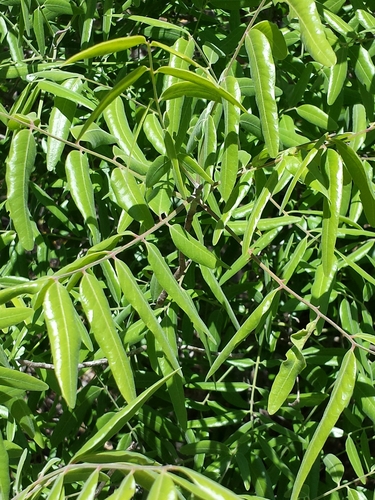
(c) Ina Loots, some rights reserved (CC BY-NC), uploaded by Ina Loots
iNaturalist· cc-by-sa
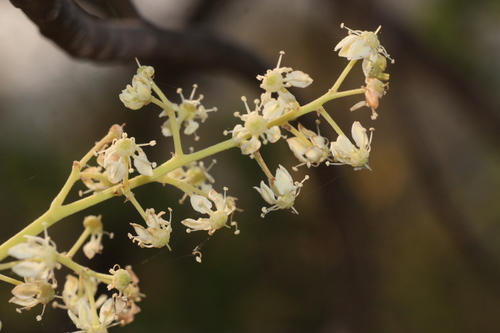
(c) Nicola van Berkel, some rights reserved (CC BY-SA), uploaded by Nicola van Berkel
iNaturalist· cc-by-sa
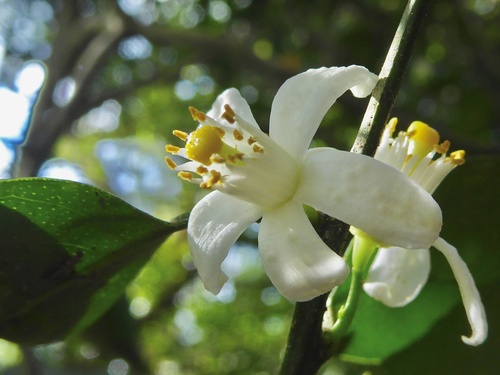
(c) Nicola van Berkel, some rights reserved (CC BY-SA), uploaded by Nicola van Berkel
Description
A shrub. It grows 50 cm tall. The flowers are dark pink. They have 5 petals and are star shaped.
This description is brief — help expand it
Edible Uses
Leaves are brewed as tea.
Medicinal Uses
Two species of Agathosma endemic to the Western Cape mountains of South Africa and colloquially referred to as "buchu" are cultivated on a commercial basis for their essential oils, Agathosma betulina and Agathosma crenulata. The leaves of Agathosma betulina have been used in traditional medicine. Bottled agathosma infusions were widely sold in English-speaking countries as "buchu tea" in the 1860s and 1870s. Although demand declined in the 1880s, consumption has continued to the present day; as of 2012, bottled infusions continue to be prepared from agathosma leaves. In addition, traditional buchu tinctures can be prepared by placing leaves and stalks into brandy. "Buchu vinegar", prepared by steeping the leaves and stalks in vinegar, also is a traditional remedy used for example in compresses and also taken internally. The essential oil is used in the manufacture of flavorings and perfume. There appear to be differences in people's perceptions of the smell, possibly determined genetically, rather than by familiarity or nurture. Some people find the smell to be repulsive, while most find it pleasantly herbal. This is not particularly unusual in reaction to the smells of many aromatic Karoo shrubs.
Distribution
It is a subtropical plant.
Where It Grows
Africa, Lesotho, South Africa,
Cultivation
It can be grown by seeds or cuttings.
Synonyms
References (1)
- Reis, S. V. and Lipp, F. L., 1982, New Plant Sources for Drugs and Foods from the New York Botanical Garden herbarium. Harvard. p 143