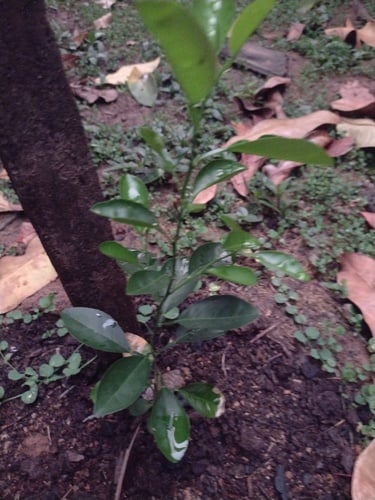
Agathosma crenulata
(L.) Pillans
Oval buchu, Oval-leaf buchu
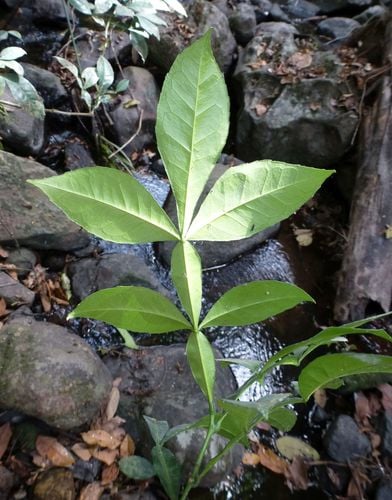
iNaturalist· cc-by-nc
(c) Cindy Douglas, some rights reserved (CC BY-NC), uploaded by Cindy Douglas
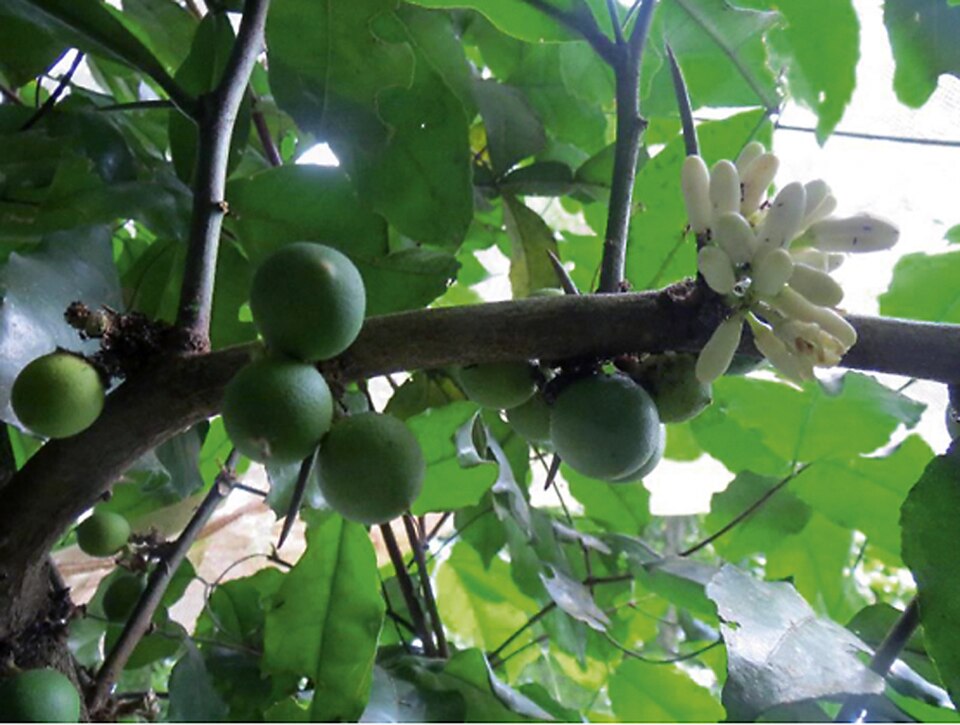
iNaturalist· cc-by-sa
(c) magriet b, some rights reserved (CC BY-SA), uploaded by magriet b
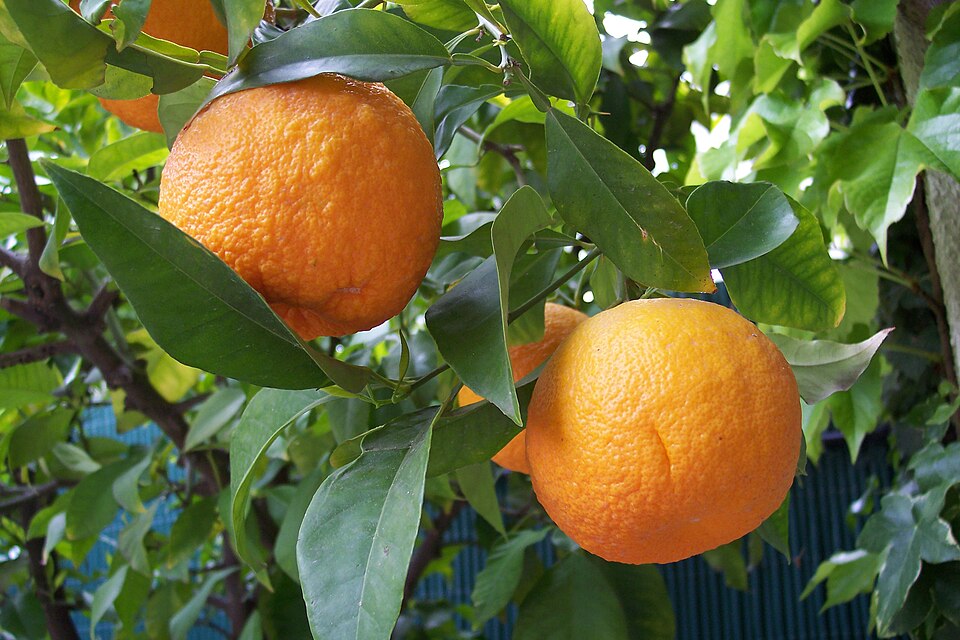
iNaturalist· cc-by-nc
(c) Danie Viljoen, some rights reserved (CC BY-NC), uploaded by Danie Viljoen
Summary
Source: WikipediaAgathosma crenulata (previously Barosma crenulata) is a flowering plant in the family Rutaceae, native to the lower elevation mountains of southwestern South Africa, where it occurs near streams in fynbos habitats. It is an evergreen shrub growing to 1.5-2.5 m tall. The leaves are opposite, oval, 15–35 mm long and 7–18 mm broad. The flowers are white or pale pink, with five petals; the fruit is a five-parted capsule which splits open to release the seeds. It is known by the common name oval leaf buchu and has historically been used as a flavoring agent and an herbal remedy. The very similar plant Agathosma betulina (previously Barosma betulina) is known as the round leaf buchu, and has been used for the same purposes. The plant produces many sweet-smelling white flowers, which attract nectar-drinking insects. It then produces small green fruits. The leaves have traditionally been steeped in brandy, vinegar, and tea water, and are said to relieve gastrointestinal and urinary tract ailments.
Description
A small evergreen shrub. It grows 1-2 m high. and spreads 1-2 m across. It is like a heath. The leaves are oval and have teeth. The leaves are 3.5 cm long. They have obvious oil glands. They have a small like blackcurrant. The flowers are white and have 5 petals. The anthers are purple.
Edible Uses
The leaves are used to flavour brandy, wine, and other foods, and can be brewed as tea. Leaf extracts are used to impart a blackcurrant flavour.
Traditional Uses
The leaves are used to flavour brandy and wine and other foods. Extracts are used to give a blackcurrant flavour.
This uses section is brief — help expand it
Medicinal Uses
Buchu is a strongly aromatic herb that has been shown to stimulate and cleanse the urinary system, and increase perspiration. The plant contains an essential oil, the principal active ingredient of which is diosphenol, which is a potent diuretic and antiseptic. The oil also contains limonene, menthone, isomenthon, pulegone and isopulegone The leaves are used internally in the treatment of urinary tract infections (especially prostatitis and cystitis), digestive problems, gout, rheumatism, coughs and colds. Externally, the leaves are used in traditional medicine as a powder to deter insects and in a vinegar-based lotions to soothe bruises and sprains. The leaves are harvested when the plant is flowering, and can be dried for later use. Research has shown that the plant contains a substance that blocks ultra-violet light, and may have applications in skin preparations.
Distribution
It is a temperate plant. It needs a temperature above 5°C.
Where It Grows
Africa, Mediterranean, North Africa, South Africa*, Southern Africa, Tunisia,
Cultivation
Plants are grown by seed or by cuttings. Cuttings need to be in sand above 13-18°C.
Propagation
Seed - Cuttings of semi-ripe wood.
Other Uses
The dried leaves are powdered and used as an insect repellent.
Notes
There are about 135 Agathosma species.
Synonyms
References (9)
- Brown, D., 2002, The Royal Horticultural Society encyclopedia of Herbs and their uses. DK Books. p 105
- Facciola, S., 1998, Cornucopia 2: a Source Book of Edible Plants. Kampong Publications, p 213
- J. S. African Bot. 16:73. 1950
- Morton,
- Ruiters-Welcome, A. K., 2019, Food plants of southern Africa. Ph.D. thesis. Univ. of Johannesburg p 98
Show all 9 references Hide references
- Seidemann J., 2005, World Spice Plants. Economic Usage, Botany, Taxonomy. Springer. p 12 (As Barosma crenulata); (Also as Barosma serratifolia)
- van Wyk, B-E., 2011, The potential of South African plants in the development of new food and beverage products. South African Journal of Botany 77 (2011) 857–868
- Wiersema, J. H. & Leon, B., 2013, World Economic Plants. A Standard Reference CRC Press. 2nd Ed. p 24
- World Checklist of Useful Plant Species 2020. Royal Botanic Gardens, Kew