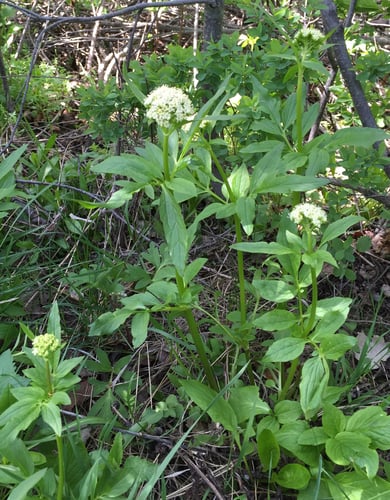
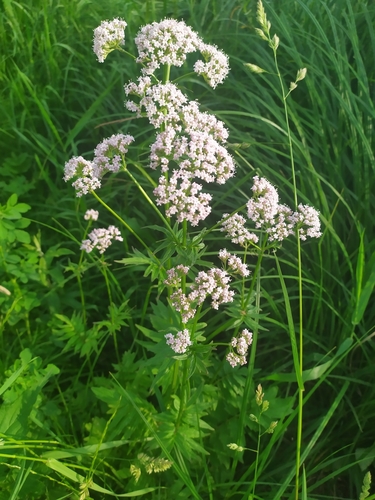
Lonicera similis
Hemsl.
iNaturalist· cc-by-nc
(c) ed_shaw, some rights reserved (CC BY-NC)
wikimedia· cc0
Wikimedia Commons - M.S. del., J.N.Fitch lith.
Summary
Source: WikipediaLonicera similis is a species of flowering plant in the family Caprifoliaceae, native to Western China. This honeysuckle is known in cultivation by the variety delavayi (the Delavay honeysuckle) which is reported by some authorities to be synonymous with L. similis itself. It is a large, twining, semi-evergreen shrub growing to 8 m (26 ft) tall by 1.5 m (4.9 ft) broad, with a profusion of fragrant tubular flowers opening white and ageing to yellow, in late summer and autumn. The flowers are followed by black berries. The Latin specific epithet similis means "similar to". It is similar in appearance to L. japonica, but larger and more robust. The name delavayi honours the French missionary and botanist Père Jean Marie Delavay (1834-1895). Lonicera similis var. delavayi is hardy down to −15 °C (5 °F). It has gained the Royal Horticultural Society's Award of Garden Merit.
Description
A shrub. The stems have yellow-brown hairs. The leaves are whitish underneath.
This description is brief — help expand it
Edible Uses
The flowers are edible.
Distribution
It is a tropical plant. It grows on sunny mountain slopes between 400-1,600 m above sea level. In Sichuan and Yunnan.
Where It Grows
Asia, China, Myanmar, SE Asia,
References (1)
- Liu, Yi-tao, & Long, Chun-Lin, 2002, Studies on Edible Flowers Consumed by Ethnic Groups in Yunnan. Acta Botanica Yunnanica. 24(1):41-56